






Manila Bulletin
 Business
The Economy
Customs chief bets on digital reforms to rebound from collection miss
Business
The Economy
Customs chief bets on digital reforms to rebound from collection miss
Business
The Economy
Customs chief bets on digital reforms to rebound from collection miss
Customs chief bets on digital reforms to rebound from collection miss
By Derco Rosal
Published Jan 12, 2026 12:00 am
|
Updated Jan 10, 2026 01:03 pm


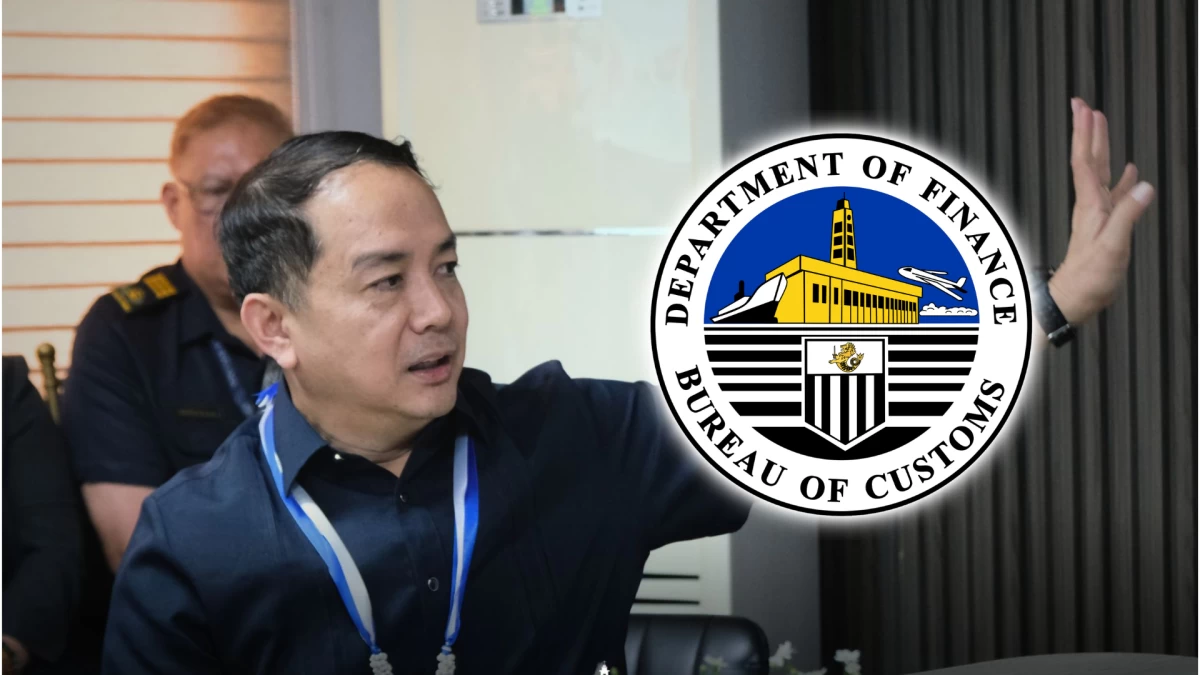
Customs Commissioner Ariel F. Nepomuceno
The Bureau of Customs (BOC) expects to reverse a prior-year revenue miss and meet its trillion-peso collection goal for 2026, banking on an end to trade restrictions and a suite of digitalization reforms.
Customs Commissioner Ariel F. Nepomuceno told Manila Bulletin that the agency is positioned to bounce back from a challenging 2025, during which it failed to meet its annual target.
The bureau’s optimistic outlook is supported by a mandate from the Department of Finance to tighten collection efficiency and modernize operations across the nation’s ports.
“We are confident that we can deliver the 2026 targets with the collection efficiency measures that we have put in place,” Nepomuceno said in an interview on Friday.
He added that the Customs team remains upbeat as it pursues the higher revenue thresholds set by economic managers.
The push for higher collections comes after the bureau reported 2025 revenue of ₱934.4 billion, missing its ₱958.7 billion target.
Agency officials attributed the shortfall to a contraction in import volumes, driven largely by an extended ban on rice imports and volatility in global commodity prices.
Nepomuceno earlier estimated that the three-month moratorium on rice shipments resulted in as much as ₱12 billion in forgone tax revenue.
With rice importation resuming this year, the bureau is under pressure to meet a 2026 collection target of ₱1.01 trillion. The medium-term fiscal plan further raises the bar to ₱1.07 trillion in 2027 and ₱1.14 trillion by 2028.
Last week, Finance Secretary Frederick D. Go said the department will maintain close oversight of the bureau’s performance and provide policy support to ensure these milestones are reached.
To stabilize the agency’s fiscal trajectory, Nepomuceno has ordered the creation of the Commissioner’s Strategic Advisory Office.
The new unit, which reports directly to the commissioner, is designed to function as a centralized data hub. It will analyze intelligence from internal units, foreign counterparts, and confidential informants to identify emerging risks in global trade and adjust policy in real time.
The bureau is also leaning into a broader digitalization strategy intended to improve transparency and reduce human intervention in the appraisal process.
Nepomuceno said the goal is to build an institution that is more reliable for stakeholders, noting that the agency will continue to strengthen partnerships with the private sector to facilitate smoother trade flows.
While the commissioner declined to detail specific risks that could threaten 2026 revenues, the bureau maintains that its ongoing internal reforms have sustained the confidence of major trade participants.