







Building trust through code
At 23, Gelo Wong is using blockchain technology to help make government systems more transparent and accountable
Published Jan 12, 2026 01:02 pm


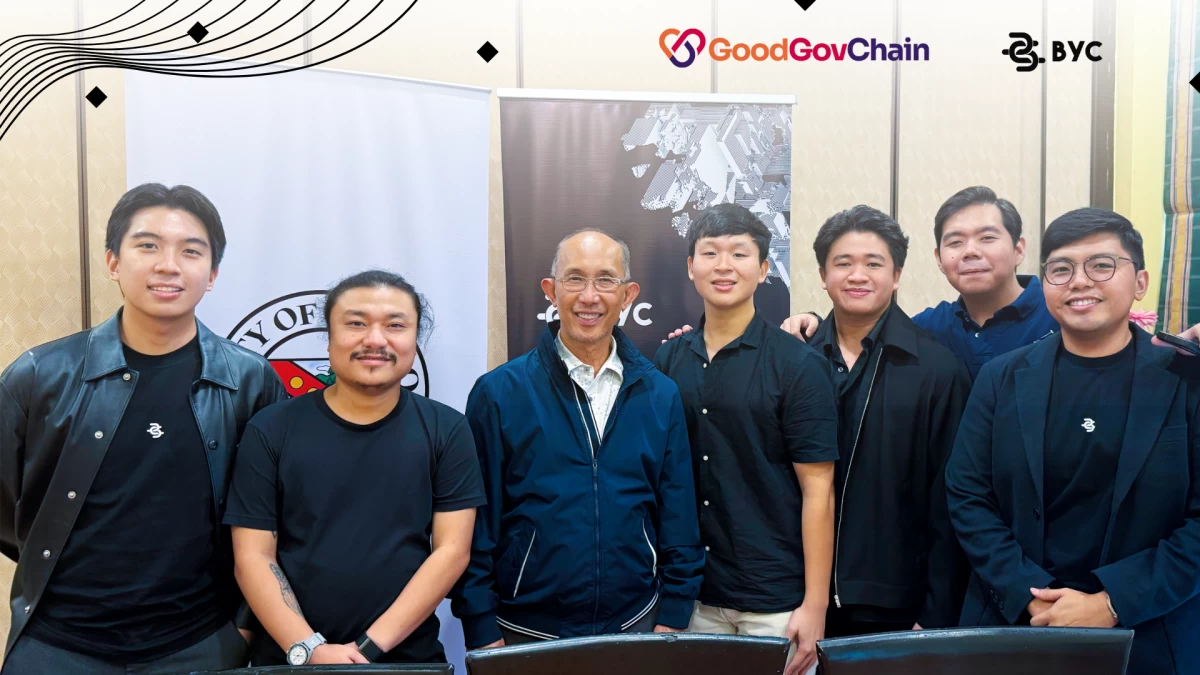
Technology continues to reshape everyday life, from how people communicate to how businesses operate. For young entrepreneur Gelo Wong, however, technology holds a deeper purpose. He believes it can help rebuild public trust in government at a time when issues of corruption and inefficiency continue to challenge public institutions.
At just 23, Gelo is the chief growth officer of BayaniChain Tech Inc., a Filipino blockchain company that builds digital infrastructure for government agencies and private organizations. A graduate of the University of Asia and the Pacific with a degree in Entrepreneurial Management, he has already worked with GCash and several government offices early in his career. One of BayaniChain’s most notable projects, the DBM Blockchain System, was cited in the Senate’s “Blockchain the Budget” Bill (SBN 1330) filed by Senator Bam Aquino. The project also led to Gelo being invited as a resource speaker at the Senate’s first-ever hearing on blockchain technology.
Behind the technical achievements is a story shaped by discipline, adaptability, and a strong sense of purpose.

Gelo Wong
Lessons from home
Gelo grew up in a family of traditional entrepreneurs. His parents ran businesses in food and beverage and trading, ventures that depended on physical stores, suppliers, and long working hours. From an early age, he learned that money was earned, not handed out.
“My parents instilled the discipline that I should learn how to make my own money, especially if I want to buy the things that I want,” Gelo told Manila Bulletin Lifestyle. “They were very conservative when it came to money, so they really taught us how to save.”
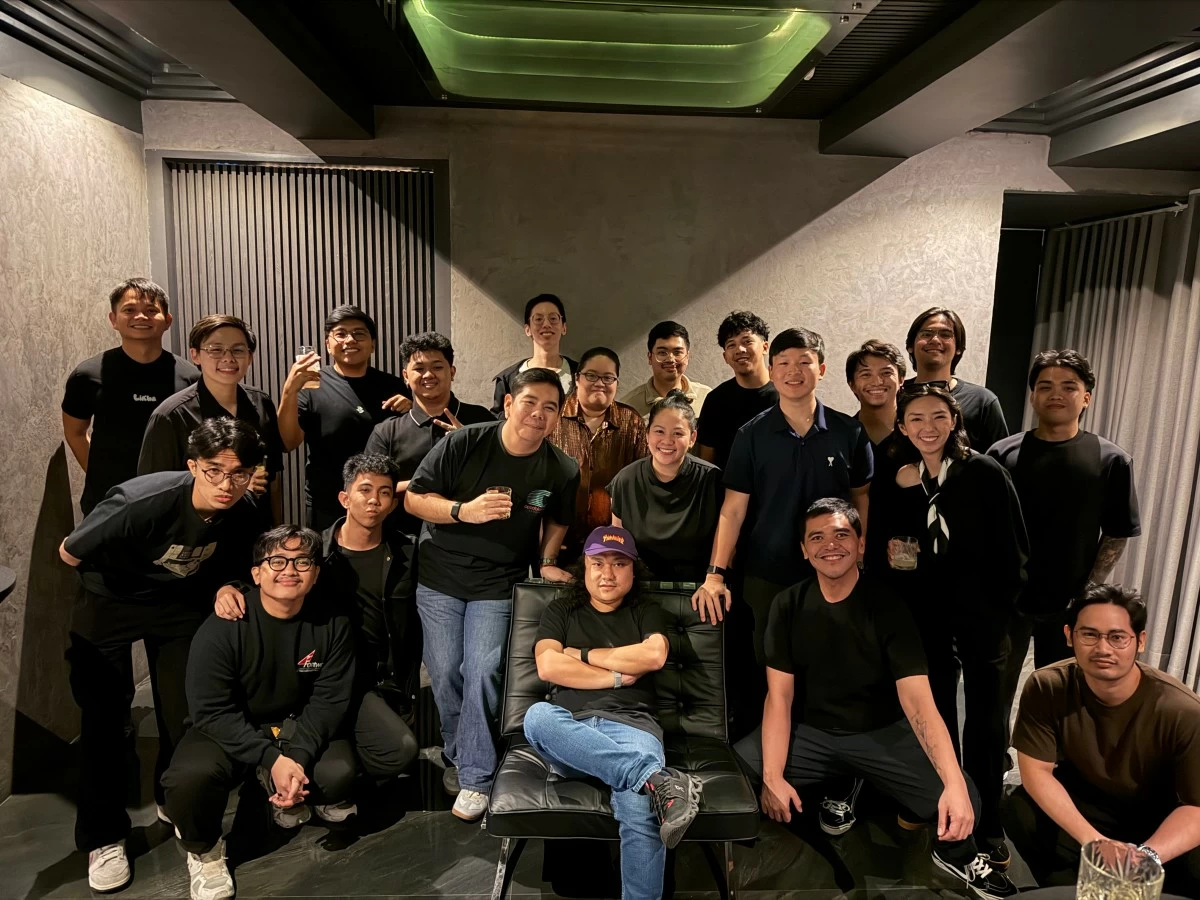
At 14, he began reselling fashion items and sneakers. The motivation was simple. “I just wanted to buy my own shoes. I wanted to buy my own clothes and keep up with my friends,” he shared. What started as a practical way to earn eventually sparked his interest in entrepreneurship.
By 18, Gelo launched a milk tea business, following a more traditional business model similar to what he grew up with. The venture showed promise but did not survive the pandemic, a setback that forced him to rethink his direction.
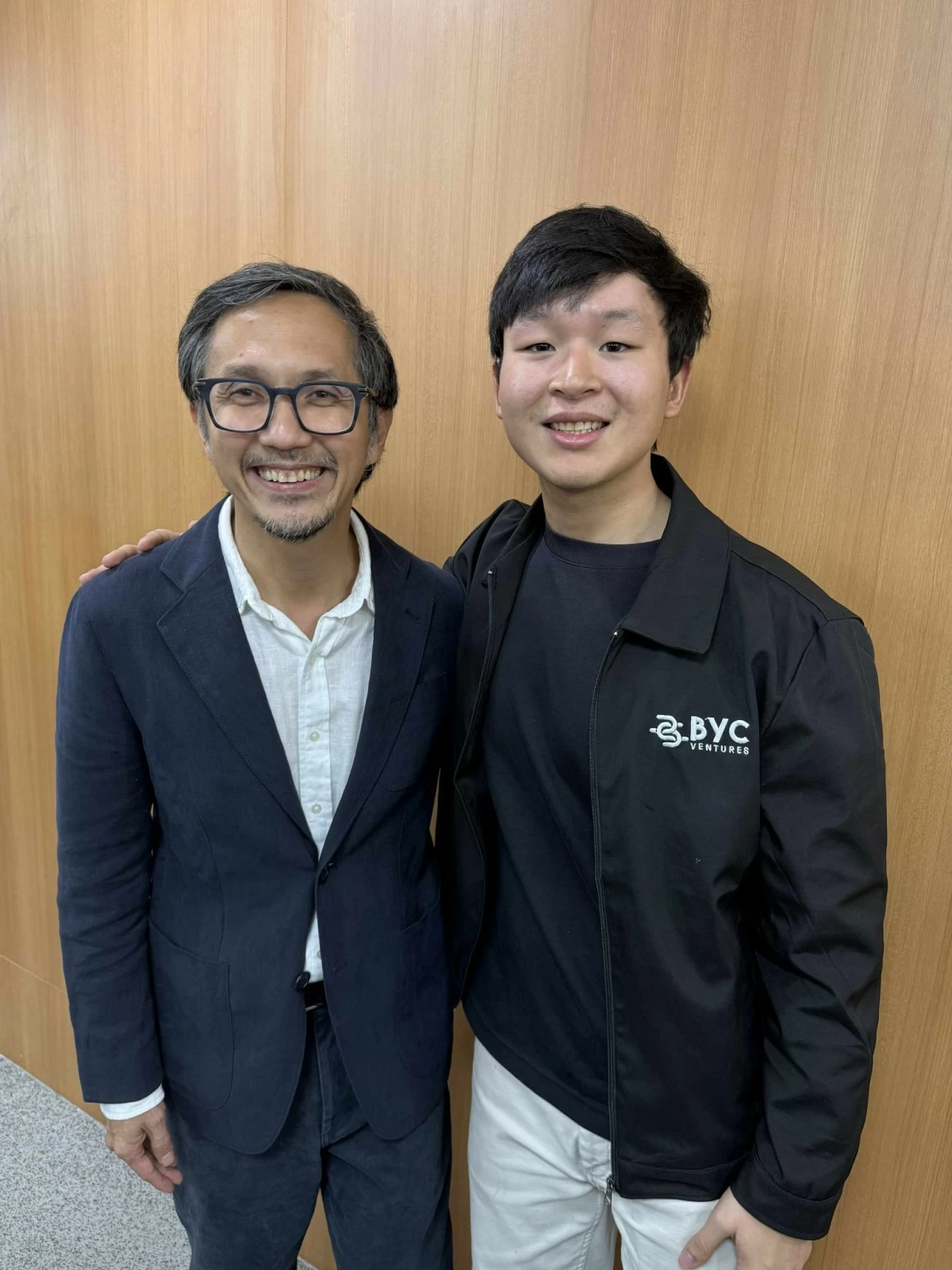
DPWH Sec. Vince Dizon and Gelo
Turning to technology
Instead of giving up, Gelo adapted. When lockdowns limited physical businesses, he turned his attention online. “When the pandemic hit, that’s when I started looking into the internet,” he said. His exploration led him to cryptocurrency and non-fungible tokens. While many were drawn to the financial hype, Gelo became curious about the technology behind them.
“That’s where it sparked my interest for the technology behind it, which is blockchain, and that’s where my startup began,” he explained.
In 2021, he co-founded BayaniChain Tech Inc. with a small team of three. Today, the company has grown to around 25 employees and remains highly focused. “We purely focus on blockchain,” Gelo said. “We never really branched out into other verticals.”
One of BayaniChain’s early clients was GCash, where the team worked on NFT projects with artists and helped develop a blockchain wallet. The partnership helped validate their work, especially to skeptics. “When institutions started adopting the use of crypto technology and blockchain technology, they gained confidence in what we were doing,” he said, referring even to his parents’ initial concerns.
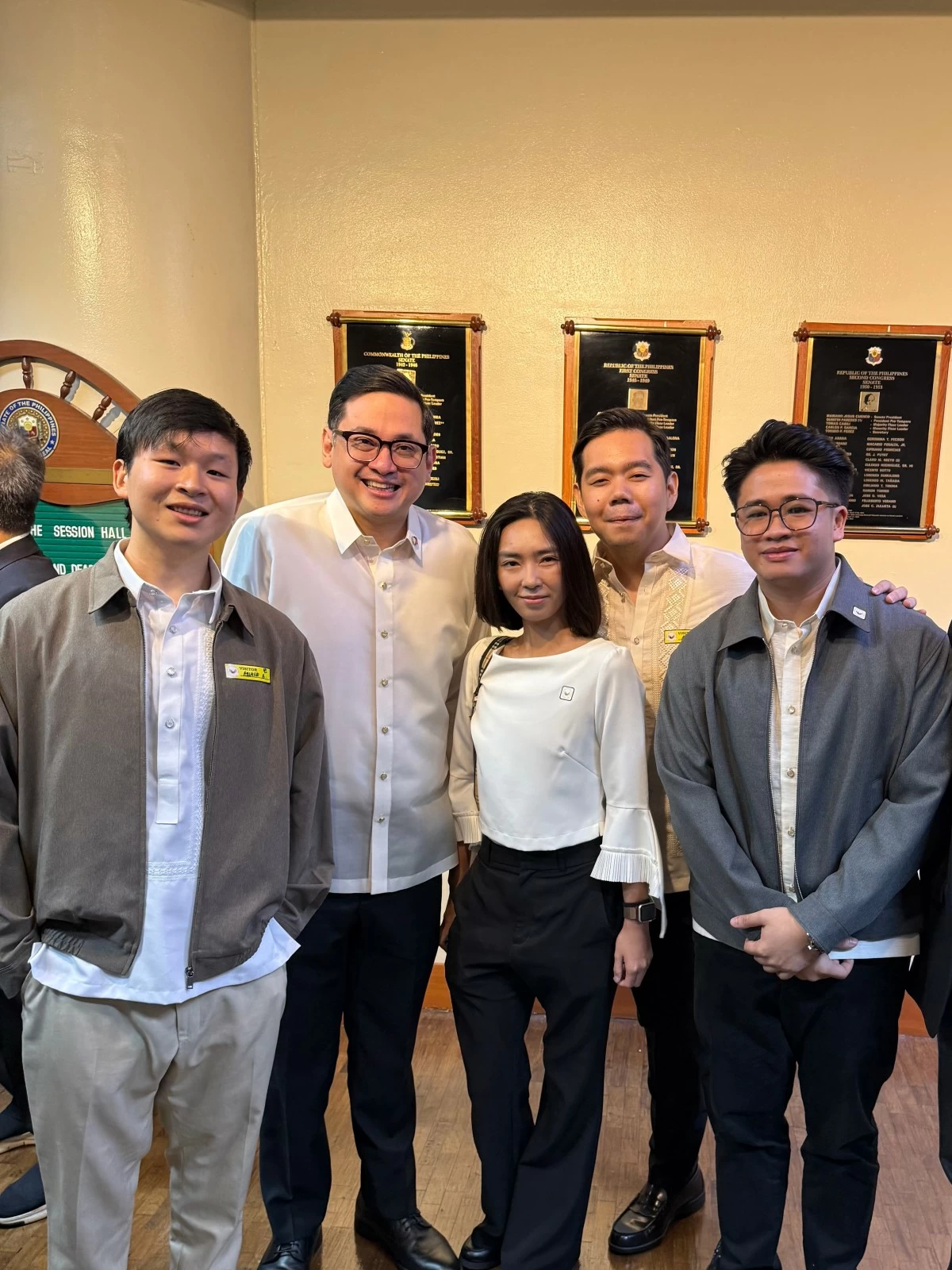
VISIONARIES (from left) Gelo Wong, Senator Bam Aquino, Andrea Guevarra, Raph Sevilla, and Alfred Quiambao of BayaniChain Tech Inc.
Working with government agencies
BayaniChain’s biggest milestone came through its work with the Department of Budget and Management, which became the first government agency in the Philippines to use blockchain to upload key budget documents such as special allotment release orders and notices of cash allocation.
To explain blockchain simply, Gelo compares it to a shared digital notebook. “When someone writes something in a notebook, they cannot erase it without anyone knowing, because everyone has visibility of that same notebook,” he explained. “Any changes or erasures will be seen, recorded, and time-stamped.”
Unlike traditional databases controlled by a single authority, blockchain systems are validated collectively. “No single authority can interfere with that,” he added.
For Gelo, this makes blockchain especially valuable for public institutions. “It helps promote transparency and traceability and auditability of data,” he said. He believes that when citizens and even international funders can clearly see where public money goes, trust can begin to return. “If we’re able to prove through the technology that we’re putting the money in the right places, trust will come back again,” he said.
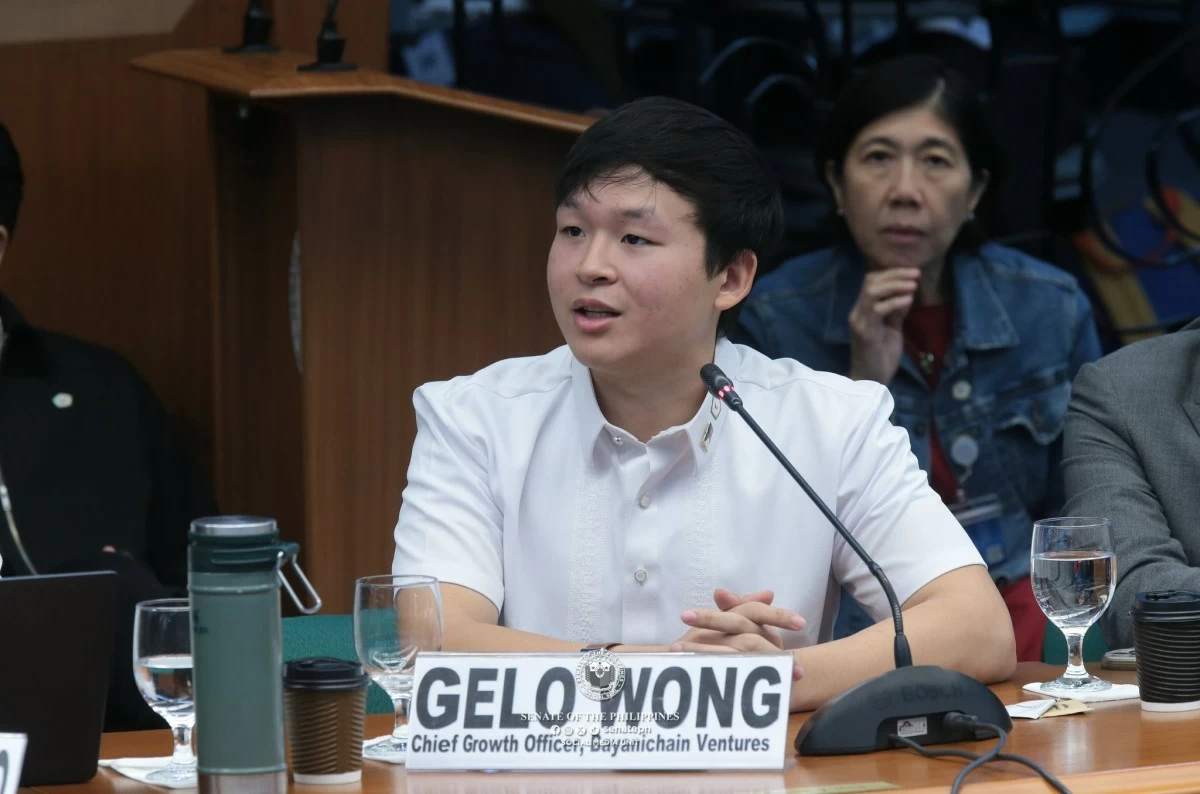
Gelo Wong at the Senate hearing
Pressure, balance, and purpose
Leading projects of national importance comes with pressure, particularly at a young age. “This kind of thing is generally handled by older and more experienced people,” Gelo admitted. Beyond clients, he feels accountability to the public. “What matters to them is that it works and it’s effective in protecting our GDP and helping it grow,” he said.
Despite the demands, he makes time for balance. Supported by his co-founders and team, Gelo prioritizes his health, family, and friendships. “It’s important for me to still enjoy what I do,” he shared.
For young people interested in similar paths, his advice is straightforward. “Age doesn’t really matter, as long as you have something of value,” he said. “People will take you seriously if you’ve proven that you are the right person to do it.” He also offers a more reflective reminder. “Choose purpose over passion. If you work towards your purpose, it makes a lot more sense.”
As BayaniChain prepares to expand beyond the Philippines, Gelo remains focused on building systems grounded in proof rather than blind trust. For him, technology is not just about innovation, but about shaping a future where accountability, transparency, and purpose-driven work can define the next generation.