






Manila Bulletin
 Philippines
National
Joining Traslacion at last minute? AFP lists safety reminders you need to remember
Philippines
National
Joining Traslacion at last minute? AFP lists safety reminders you need to remember
Philippines
National
Joining Traslacion at last minute? AFP lists safety reminders you need to remember
Joining Traslacion at last minute? AFP lists safety reminders you need to remember
Published Jan 9, 2026 06:08 am


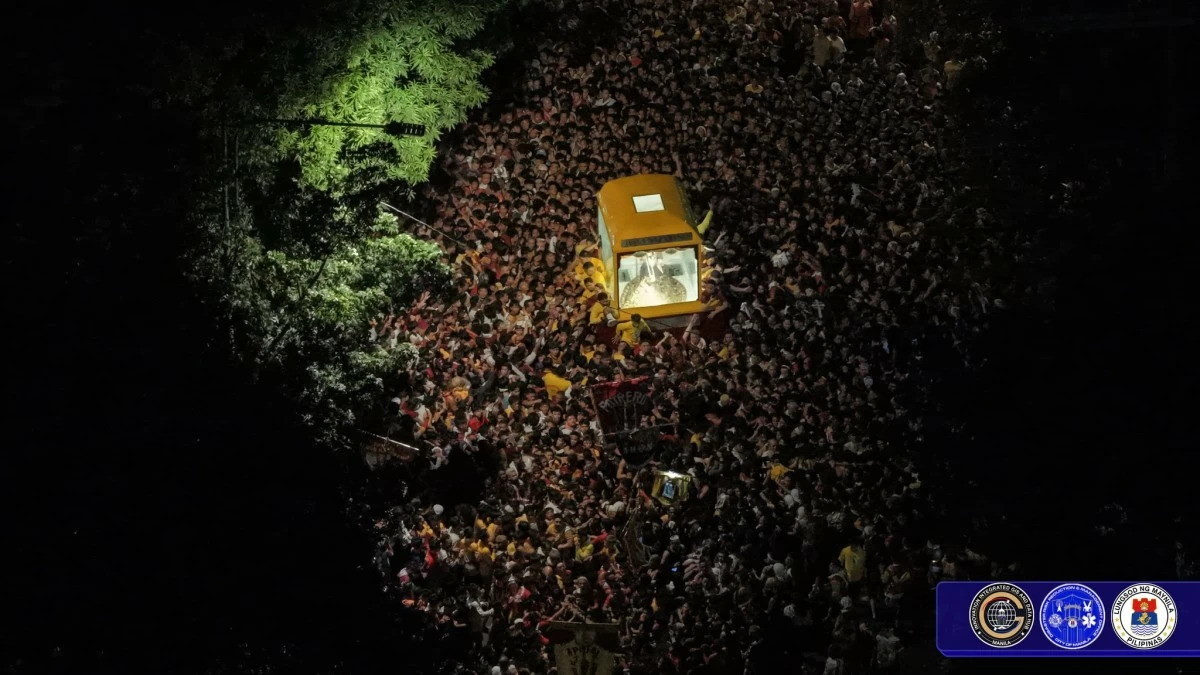
The procession of the carriage carrying the image of Jesus Nazareno passes along Padre Burgos Avenue in Manila at 4 a.m. on Jan. 9, 2026 during the early part of this year's Traslacion. (Photo: Manila Public Information Office)
The Armed Forces of the Philippines (AFP) released public safety guidance for devotees joining the Feast of the Black Nazarene on Friday, Jan. 9, as crowds continued to build for the “Traslacion.”
Traslacion, or the procession of the image of Jesus Christ from Quirino Grandstand back to Quiapo Church, began at 3:58 a.m., according to organizers.
In its advisory, the AFP National Capital Region (NCR) Command urged devotees to arrive early to avoid congestion and to secure a safe and comfortable spot.
It also reminded participants to stay hydrated by bringing transparent water bottles and to drink water throughout the procession. Devotees were advised to wear comfortable clothing and shoes appropriate for long walks and changing weather.
The military also called on participants to look out for others especially the elderly, children, and persons with disabilities. The public was told to report suspicious activities and immediately inform authorities of any suspicious items or behavior.
At the same time, the AFP NCR Command listed items and actions that are not allowed during the religious event including sharp objects, firearms, fireworks, or any banned materials. They were also reminded not to engage in disorderly conduct such as pushing or shoving, which may endanger others.
The advisory further stressed proper waste disposal as devotees were told not to litter and to use designated garbage bins.
The public was also reminded not to block emergency routes and to keep exits clear at all times.
Authorities added a warning from spreading misinformation as unverified information could cause panic or confusion during the Traslacion.
Traslacion commemorates the arrival of the image of Nuestro Padre Jesus Nazareno from Acapulco, Mexico to the Philippines in the 1600s, as well as its transfer from Bagumbayan to Quiapo Church.
The procession last year ran for 20 hours and 45 minutes and drew an estimated 8.1 million devotees, based on data from the Philippine National Police (PNP).