







Asia-Pacific airlines fly higher on travel rebound
10% hike in passenger traffic at end-November 2025
Published Jan 9, 2026 10:37 am


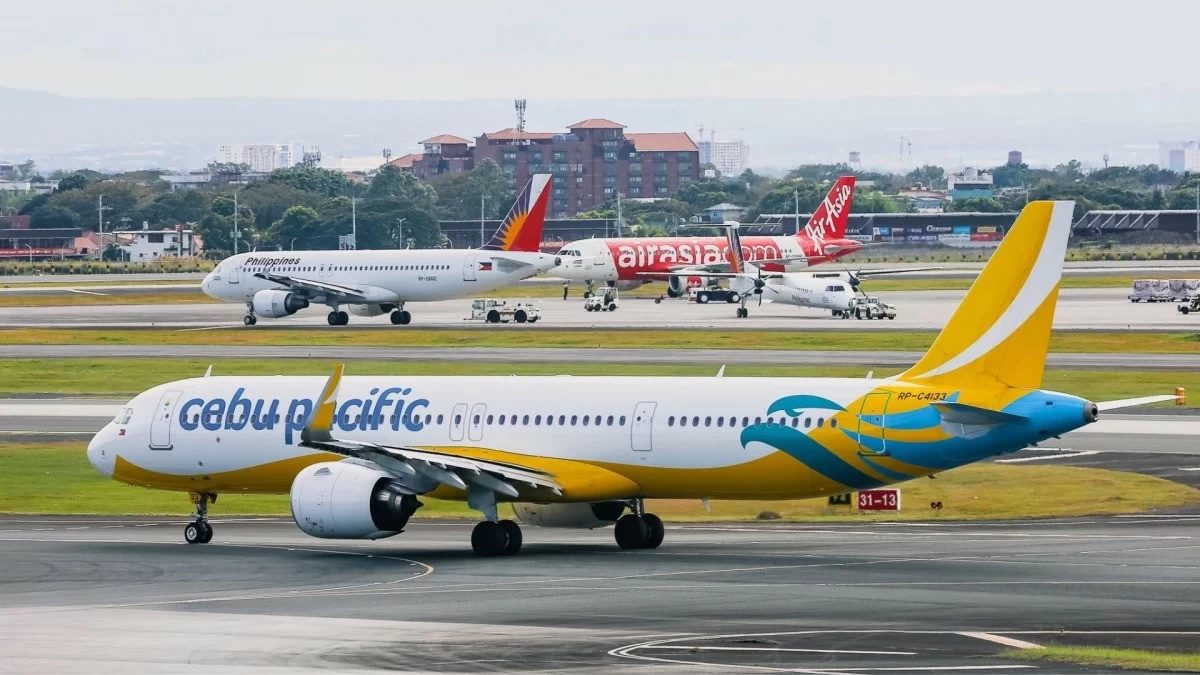
Airlines across Asia-Pacific registered a 10-percent increase in passenger traffic by the end of November 2025, on the back of stronger demand for both business and leisure travel in the region.
The latest preliminary data from the Association of Asia-Pacific Airlines (AAPA) showed that regional airlines served 355.07 million passengers from January to November last year, up from the 322.56 million recorded during the same period in 2024.
Measured by revenue passenger kilometers (RPK), total demand posted an 11.3-percent increase, outpacing the 10.5-percent expansion in available seat capacity.
Average international passenger load factor in the 11-month period rose by 0.6 percentage point (ppt) to 82.2 percent from 81.6 percent, indicating a higher share of booked seats relative to total capacity.
In November alone, passenger volume handled by Asia-Pacific airlines rose by 8.3 percent to 32.93 million, compared to 30.42 million passengers during the same month in 2024.
The passenger load factor during the month stood at 83.2 percent, up from 82.4 percent a year earlier.
AAPA director general Subhas Menon said the growth trend in 2025 was driven by robust demand for air travel, particularly across key long-haul routes.
Menon attributed the increase in November traffic to a surge in both leisure and business travel ahead of the expected holiday demand for December.
Based on a report by the International Air Transport Association (IATA), Asia-Pacific airlines accounted for the largest share of global passenger traffic, at 33.5 percent of total.
They were followed by European airlines with a 26.7-percent share and North American carriers at 22.9 percent.
On the cargo front, AAPA said airlines registered increased export activity, particularly from India and Southeast Asian countries.
AAPA data showed that international air cargo demand from January to November last year, as measured in freight ton kilometers (FTK), grew by 5.6 percent compared to the previous year.
At the same time, available freight capacity booked a 6.9-percent hike, although freight load factor posted a marginal 0.7-ppt decline.
FTK increased by 6.2 percent in November alone, with freight capacity up 7.2 percent compared to the same month in 2024. Average load factor for the month was 61.9 percent, down 0.6 ppt from 62.5 percent a year earlier.
Amid policy restrictions in global trade, Menon said overall air cargo demand remained resilient over last year as activity continued to ramp up, especially with increased business activity in December.
Menon said the industry outlook for 2026 remains positive, with passenger traffic expected to continue increasing.
He, however, warned that intensifying market competition, coupled with cost pressures from supply chain challenges, could weigh on airline profitability despite strong demand for flying.
“Although the decline in oil prices provides some relief, airlines remain vigilant in managing costs to maintain profitability,” he said.
AAPA aggregates data from 36 airlines based in the region. In the Philippines, it covers data from flag carrier Philippine Airlines (PAL) and low-cost carriers Cebu Pacific and AirAsia.