







ENDEAVOR
Hope is kindled by exemplary public service that truly uplifts the last, the least and the lost.
Pasig's top 10 achievements: Paragon for local governance
By Sonny Coloma
Published Jan 8, 2026 12:08 am
|
Updated Jan 7, 2026 04:30 pm


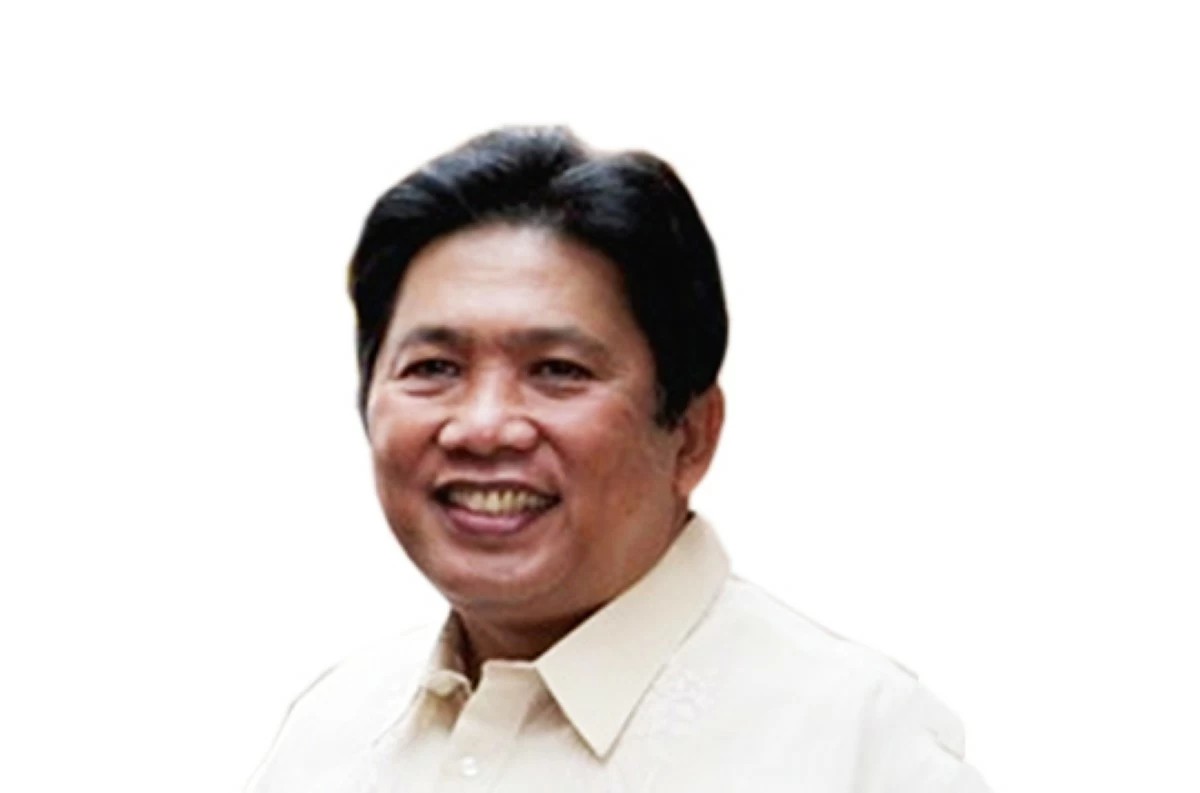
This is demonstrated anew by Pasig City Mayor Vico Sotto who shared in a Facebook reel the 10 key accomplishments that make his city a paragon for local governance. He enumerates these in no order of significance, emphasizing that each of these have boosted the morale and raised the quality of life of his constituents.
Number one: Rollout of pilot social pension program for elderly disabled persons. Indeed, it is imperative to provide social safety nets for those whose physical impairment severely constrains not just their mobility but their dignity and self-respect as individuals.
Number two: Pasig City Museum reopens. It is vital for Pasigueños to become more aware of their cultural heritage through artifacts, relics, photographs and documents that beam the spotlight on their historic past.
Number three: Propagation of education, engineering and nursing degree programs by the Pamantasan ng Lungsod ng Pasig that awards free tuition scholarships and promotes employability of graduates. A reading camp to raise literacy and comprehension among early learners is also a pivotal unit.
Number four: Sports development and athletic programs. Through the Atletang Pasigueño and Batang Pasig program, the youth are encouraged to join and excel in competitive sports. Recently, the city hosted the FIFA Women’s Futsal championship.
Number five: Giting ng Pasig scores 15-0 sweep during the 2025 local government elections. "Ayaw ng Pasigueño sa mga trapo" was the clear and unequivocal message conveyed by the city’s electorate. They voted the entire slate headed by Mayor Vico to demonstrate their preference for city officials committed to good governance. Moreover, the Pasig City Council has been cited as the most improved local legislative body.
Number six: Provision of 79 dialysis machines, the largest facility of its kind, in Pasig’s Subay Bayani facility.
Number seven: Establishment of the Ragaporo Elderly Care facility that conducts free health checkup for senior citizens during their birth month.
Number eight: Setting up of a new state-of-the-art cardiac catheterization laboratory.
Number nine: Pasig Smart City, the operational expression of data-driven governance, focuses on the importance of the national ID system that enables the delivery of essential services to citizens.
Number 10: Pasig has emerged as being one of the top two cities in terms of total operating revenues. This means autonomy from the national government in providing basic services to its citizens.
These outstanding feats demonstrate that good governance is key to raising citizens’ morale and boosting their trust and confidence in their elected officials.
Foremost among Pasig’s achievements is its unwavering commitment to transparency and accountability. From open procurement processes to real-time disclosure of city transactions, Pasig has demonstrated that honest governance is not merely a moral stance but an operational advantage. This culture of openness is a currency that is sorely needed across all levels of government throughout the country.
Equally notable is the city’s prudent fiscal management. Pasig has maximized limited resources through disciplined budgeting, debt reduction, and value-for-money spending. These provide tangible proof that effective governance is less about abundance and more about stewardship. This fiscal discipline has enabled sustained social services that engender long-term stability.
Pasig’s robust social protection programs form another cornerstone. Expanded health care access, inclusive education initiatives, and targeted assistance for vulnerable sectors show how governance becomes meaningful when it brings about improvement in the citizens’ daily lives. The city’s response during crises—particularly its swift, data-driven pandemic interventions—demonstrated the importance of preparedness, empathy, and decisive leadership.
Institutional reform is a defining achievement. By professionalizing the bureaucracy, enforcing merit-based appointments, and insulating operations from political patronage, Pasig has reinforced the idea that strong institutions transcend personalities. This reform mindset ensures the sustainability of good governance that have been institutionalized.
The city’s decision to scale up digital transformation also stands out. E-governance platforms, streamlined permits, and citizen-friendly online services have reduced red tape and corruption risks while enhancing efficiency. Indeed, technology is a tool to make the government more accessible and responsive.
Urban planning and environmental stewardship further illustrate forward-looking leadership. Investments in flood mitigation, green spaces, and sustainable infrastructure reflect a long-term vision that balances development with resilience, a top priority concern for LGUs in a country vulnerable to climate risks.
Finally, Pasig’s emphasis on participatory governance—consulting communities, empowering civil society, and listening to constituents—anchors all these achievements. It reinforces the principle that good governance is collaborative and inclusive, not top-down or elitist.
Indeed, the foregoing sterling achievements deserve to be propagated nationwide. Local officials in other cities, municipalities and provinces are encouraged to emulate and replicate Pasig’s all-round excellence in governance that has indubitably raised the morale and elevated the pride of Pasigueños as citizens of a model city and beneficiaries of excellence in public service.
Taken together, Pasig City’s top ten achievements provide guideposts for raising the standard of governance nationwide. Indeed, excellence in public administration begins with integrity, is sustained by competence, and ultimately measured by the improvement in quality of life. As the New Year begins, these guideposts challenge leaders across the country to move from promises to performance, and from efficiency to excellence.
Comments may be sent to [email protected]