






Manila Bulletin
 Philippines
National
'Massive exodus' of overworked SUC faculty, staff feared due to budget veto
Philippines
National
'Massive exodus' of overworked SUC faculty, staff feared due to budget veto
Philippines
National
'Massive exodus' of overworked SUC faculty, staff feared due to budget veto
'Massive exodus' of overworked SUC faculty, staff feared due to budget veto
ACT warns P43.245-B cut could worsen job insecurity, workloads in state universities and colleges
Published Jan 8, 2026 05:44 pm


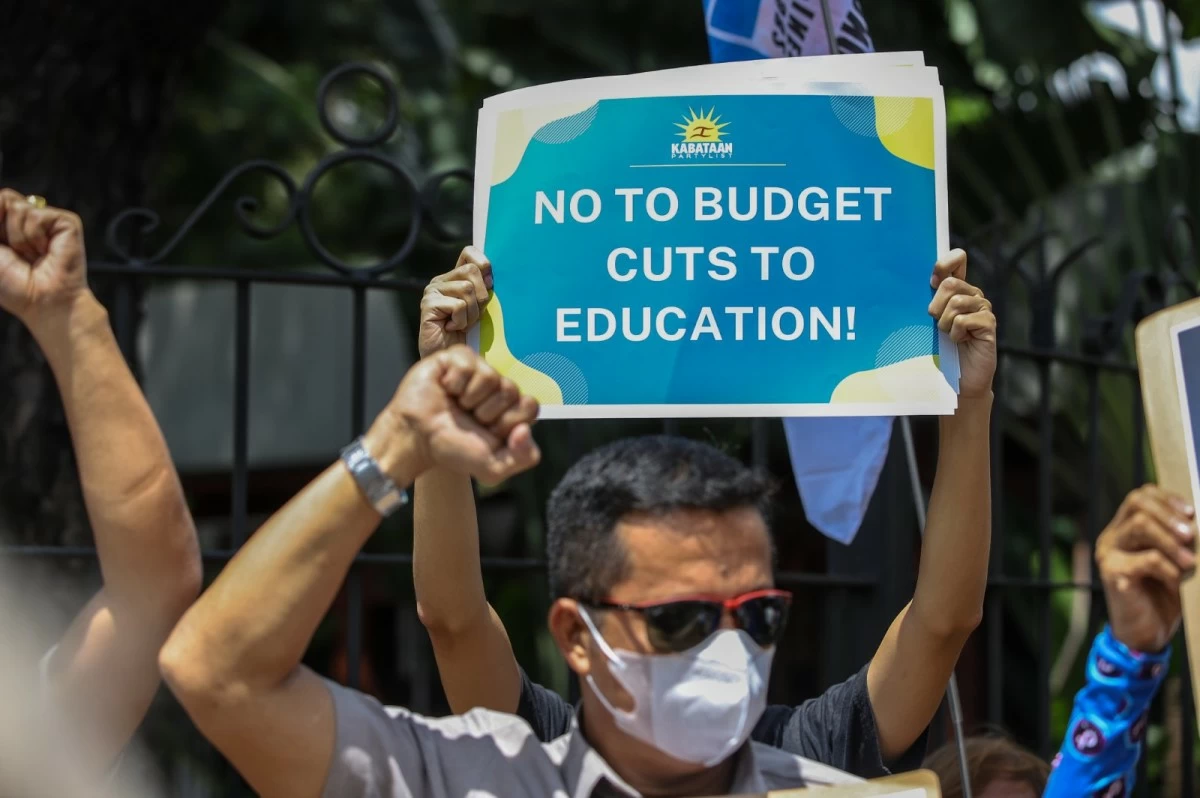
The Alliance of Concerned Teachers (ACT) warned that President Marcos’ veto of portions of the 2026 national budget could worsen staff shortages and working conditions in state universities and colleges. (Manila Bulletin / File)
A teachers’ group on Thursday, January 8, warned that President Marcos’ veto of portions of the 2026 national budget may trigger a "massive exodus" of faculty members and staff in state universities and colleges (SUCs), citing worsening job insecurity and mounting workloads.
In a statement, the Alliance of Concerned Teachers (ACT) said the presidential veto resulted in a P43.245-billion budget cut, a significant portion of which was intended to address chronic staffing shortages in public higher education institutions.
“Marcos’ budget veto means job insecurity and increased workload for both academic and administrative SUC personnel,” ACT Vice Chairperson Carl Marc Ramota said.
Citing a report earlier released by ACT Teachers Partylist, Ramota said about P10.772 billion, or roughly a quarter of the vetoed amount, was originally earmarked for the hiring of new personnel, including more than 41,000 professors, instructors, and administrative staff across various SUCs nationwide.
Chronic understaffing in SUCs
Ramota said the continued lack of plantilla positions has created dire working conditions in state-run universities and colleges.
“The perennial problem of plantilla positions has led to dire working conditions in SUCs,” Ramota said. “Faculty members and staff have long been overworked and underpaid, and are forced to take on multiple classes on top of committee work and administrative duties,” he added.
Ramota also pointed out that job precarity remains widespread, affecting not only non-teaching personnel but also many teaching staff in public higher education institutions.
“Job precarity has been the norm rather than the exception in most administrative offices, even among teaching personnel in public higher education institutions,” he said.
Risk to education quality
ACT warned that the combination of heavier workloads and lack of job security could push educators and education support personnel to leave state schools, further straining SUC operations.
Ramota said increased workloads and lack of job security in SUCs could lead to an exodus of faculty members and education support personnel. “This will take a toll on the operations of state schools and affect the quality of their programs,” he added.
The teachers’ group reiterated its call for the government to prioritize adequate funding for public higher education, stressing that sustained investment in personnel is crucial to maintaining education quality and ensuring accessible tertiary education for Filipino students.