






Manila Bulletin
 Business
The Economy
Widening energy security gap flagged as power grid lags behind demand
Business
The Economy
Widening energy security gap flagged as power grid lags behind demand
Business
The Economy
Widening energy security gap flagged as power grid lags behind demand
Widening energy security gap flagged as power grid lags behind demand
Published Jan 7, 2026 02:42 pm


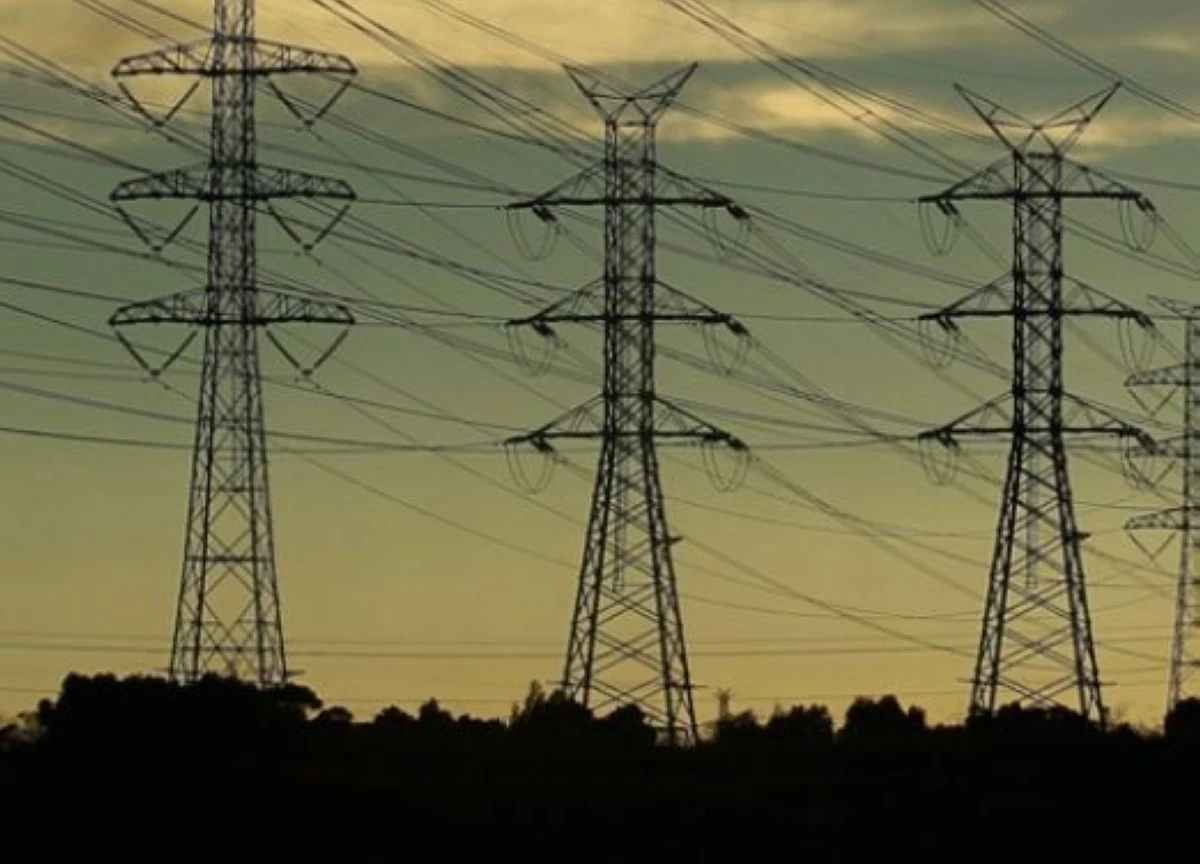
The Philippine power transmission sector is failing to keep pace with the nation’s surging electricity demand, creating widening gap that threatens long-term energy security, according to a study by the state-run Philippine Institute for Development Studies (PIDS).
In a discussion paper released Jan. 6 titled “The Need for Power Transmission Sector Reforms in the Philippines,” PIDS senior research fellow Adoracion M. Navarro warned that a significant disconnect exists between economic theory and the actual execution of grid projects.
While domestic electricity consumption jumped approximately 140 percent between 2003 and 2024, the growth of the transmission network lagged significantly, resulting in chronic grid congestion, reduced reliability, and heightened risks of energy insecurity.
The think tank argued that the current regulatory environment lacks the necessary teeth to ensure infrastructure delivery. It noted that recurring delays suggest existing regulations fail to effectively reward the timely completion of projects or sufficiently penalize prolonged non-delivery.
To correct this, the paper called for a more coherent alignment between regulatory incentives, institutional roles, and long-term system objectives.
The PIDS report identified a suite of systemic bottlenecks, including regulatory lags in rate-setting, right-of-way constraints, and weak procurement of ancillary services.
These issues are exacerbated by poor coordination among government agencies, ownership disputes, and mounting national security concerns regarding grid control.
The report specifically flagged rate-setting practices as an area requiring closer scrutiny. PIDS asserted that ensuring allowed returns reflect contemporary risks and market conditions is essential to balance investor confidence with consumer protection.
The think tank recommended the adoption of more transparent, forward-looking regulatory practices to mitigate disputes and improve the predictability of transmission pricing.
Addressing right-of-way constraints and coordination failures will require reforms that extend beyond the energy sector, the paper said.
PIDS recommended streamlining permitting processes and strengthening mechanisms for resolving land acquisition disputes. Such measures are viewed as critical for the integration of renewable energy sources and the maintenance of overall grid stability.
Institutional adaptability is also required as the grid evolves toward complex reserve markets and ancillary services. PIDS emphasized that regulatory frameworks must safeguard reliability while ensuring that costs passed on to consumers remain transparent and accountable.
Furthermore, the report noted that ownership and governance issues continue to raise questions about public oversight. While recent efforts have been made to rebalance ownership and bolster oversight, PIDS said sustained focus on governance remains vital.
The consequences of inaction are steep. PIDS warned that transmission congestion leads to higher and more volatile power costs, reduces the reliability of sub-grids, and risks the curtailment of renewable energy due to limited interconnection capacity.
The think tank concluded that the sector's challenges are as much institutional and political as they are technical, requiring policy responses that are credible, enforceable, and grounded in sound economic principles.