







How 2026 can be greener, one habit at a time
Even small changes can make a meaningful difference
Published Jan 7, 2026 03:43 pm



Created with Gemini AI
Resolutions are especially popular at this time of year. Some people want to improve their diet or become more active in order to be healthier. Others hope to save more money, spend more time with loved ones, or carve out a little space for themselves.
Whatever the goal, resolutions are usually rooted in good intentions. Why not extend those intentions to benefit the environment and the younger generation? We are often reminded that small habits can lead to big change. For example, for every reusable tumbler that replaces a disposable cup, not only saves money through store discounts, but also spares the planet from one plastic cup ending up in a landfill. If global demand for disposable cups declines, producing them will require fewer resources and less energy.
What other eco-resolutions can you slot in for 2026? Here are a few to get you started.

Image from pexels.com
• Stop car idling. A 10-minute wait may not seem long, but leaving your engine running while parked harms the environment. According to the US Department of Energy, idling for more than 10 seconds contributes to smog and climate change. The government agency reports that idling from light- and heavy-duty vehicles consumes about six billion gallons of fuel annually—half of which comes from personal vehicles that generate roughly 30 million tons of carbon dioxide each year. Eliminating unnecessary idling, it notes, will be equivalent to taking five million vehicles off the road. If you arrive early for school pickup, why not take a walk? Skip the drive-through queue and park your car instead. It may feel inconvenient at the moment, but small habits like these help prevent bigger problems down the line.
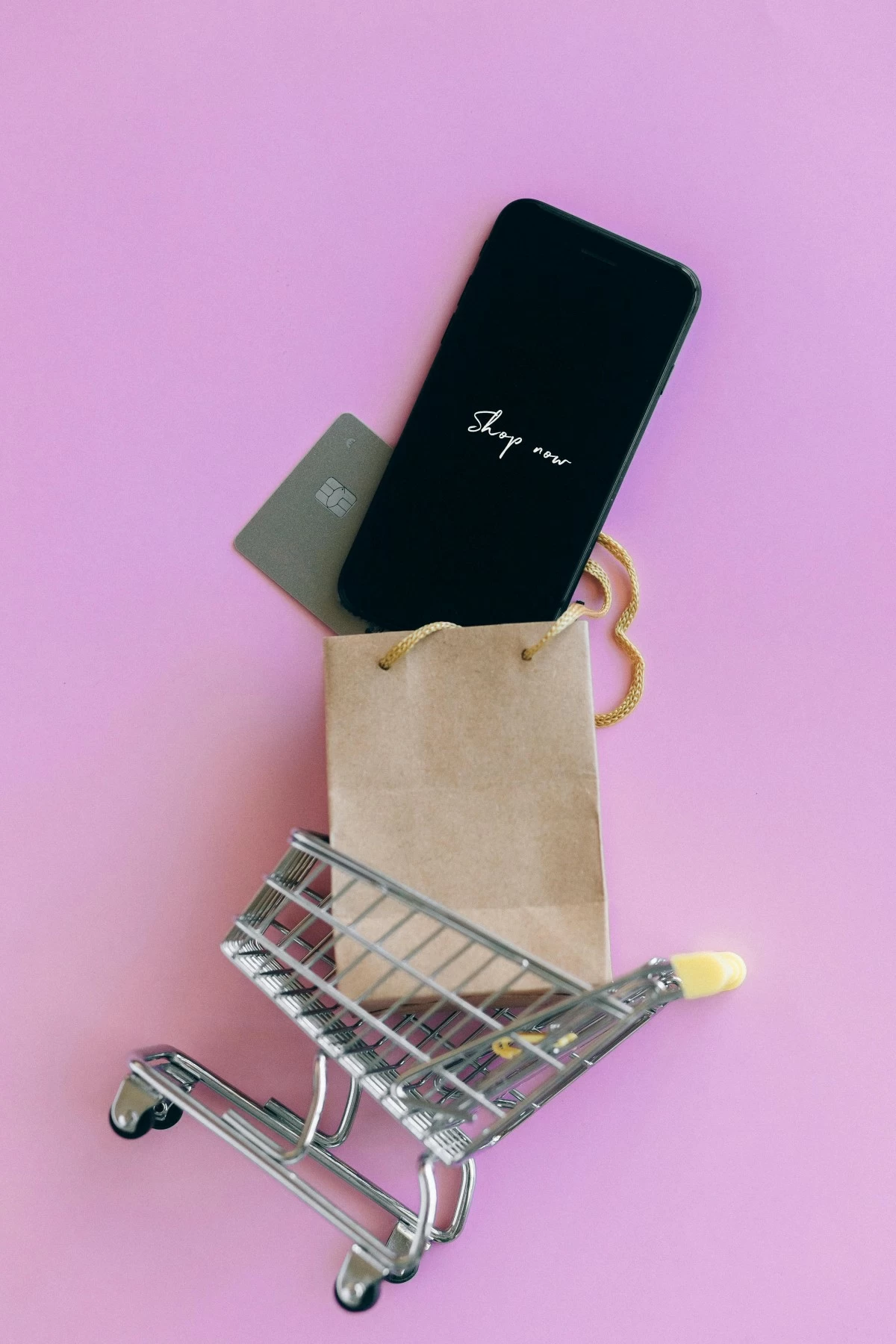
Image from pexels.com
• Be a smarter online shopper. E-commerce offers the best deals, often luring us to buy more than planned. For items you use regularly and do not expire easily, buying in bulk can reduce packaging and shipping. If there are options for green, minimal or recyclable packaging, go for them! Think twice before checking out. Pause and ask: Do I really need this? Is it the correct size, to avoid returns or exchanges? Have I checked the quality of the item or read through customer reviews? Lastly, to curb impulse buying, wait 24 hours before purchasing. Avoid spending on items that may soon become clutter.
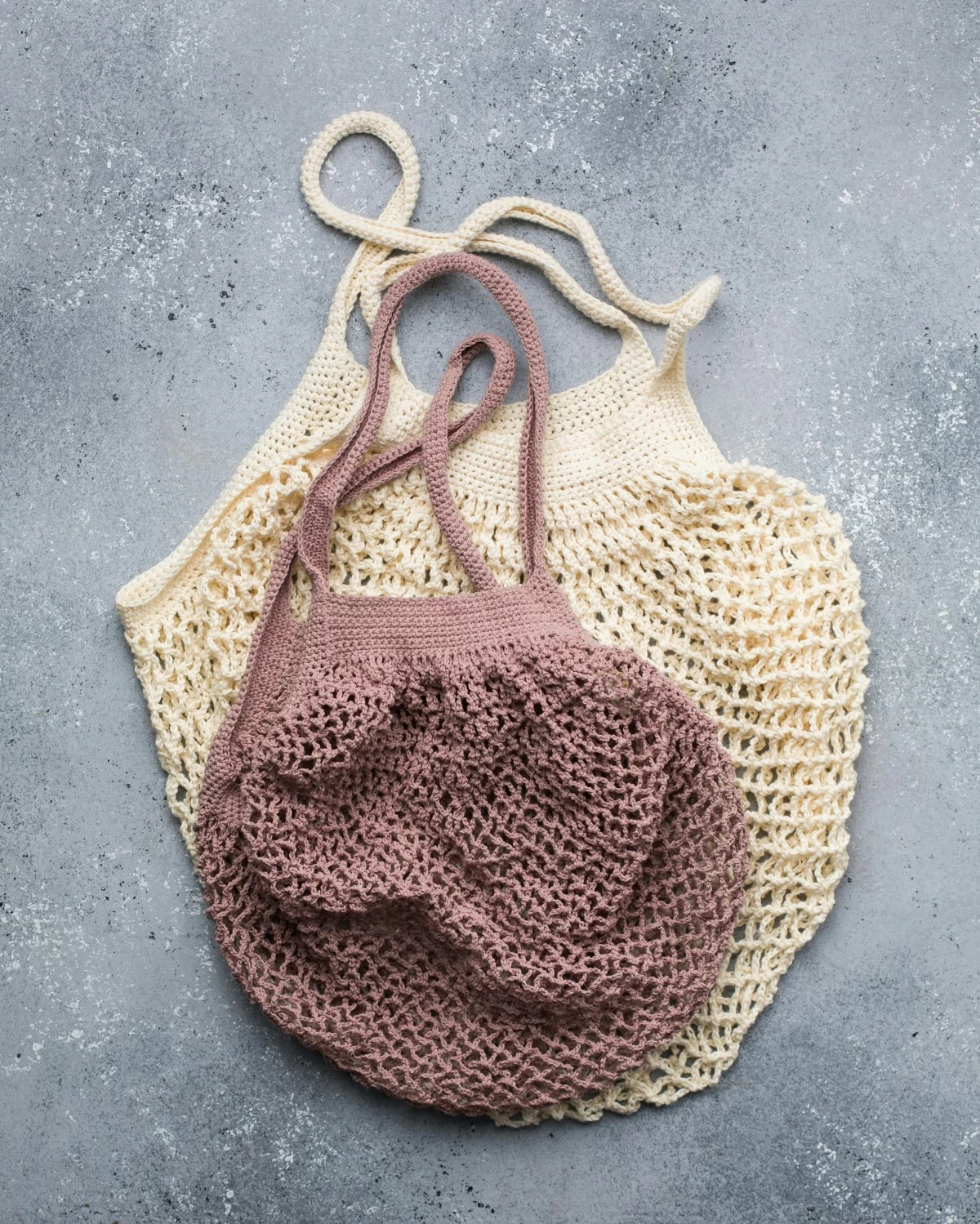
Image from pexels.com
• Put reusable bags to work. Do you really need another paper bag at home? While P2 for a paper bag may seem insignificant, it adds up over time—especially when used briefly and then stored or discarded. Keep reusable bags in your car or by the door to reduce the need to buy (or get) new ones frequently. Paper bags, particularly those used for heavier items, are often doubled and thrown away once you get home. Investing in a foldable bag that you can carry in your bag or pocket makes shopping easier and reduces packaging waste.
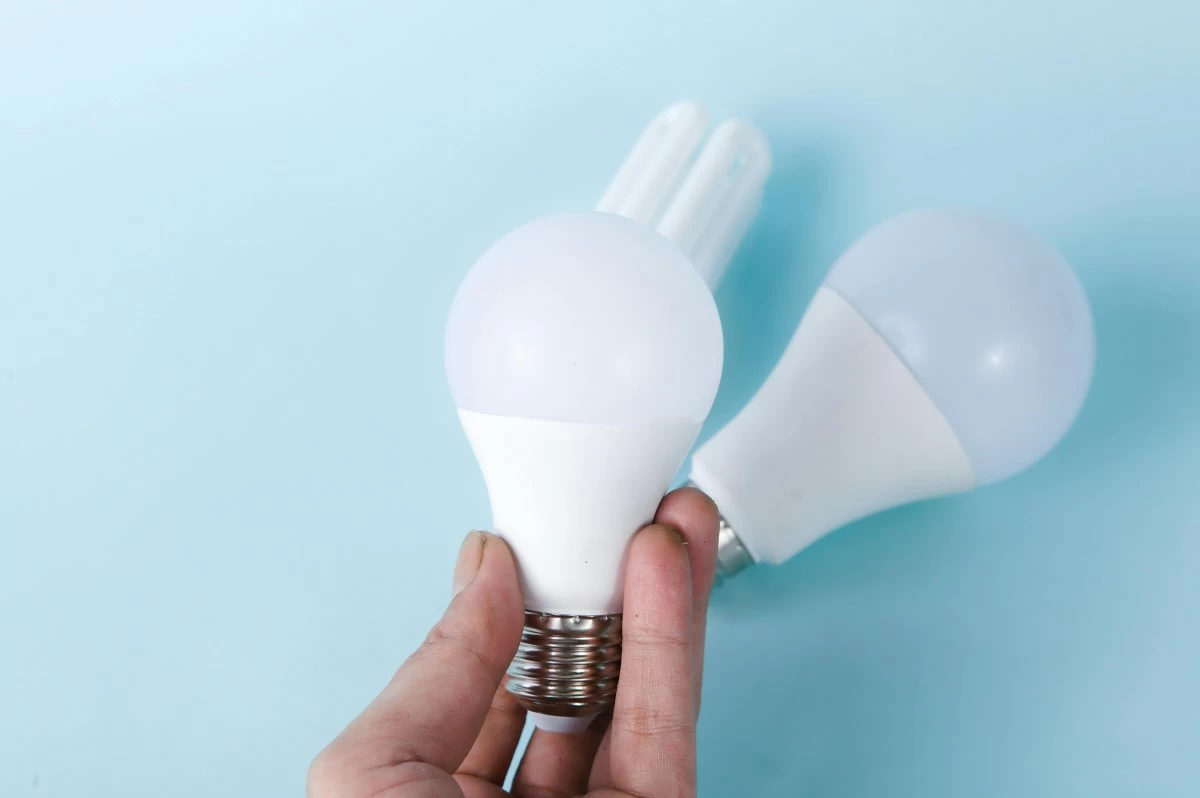
Image from pexels.com
• Choose the right light. If you have not yet done so, switch to energy-efficient LED (light-emitting diode) bulbs. LEDs last longer and use significantly less energy—at least 75 percent less than conventional incandescent bulbs—while providing brighter illumination.
Created with Gemini AI
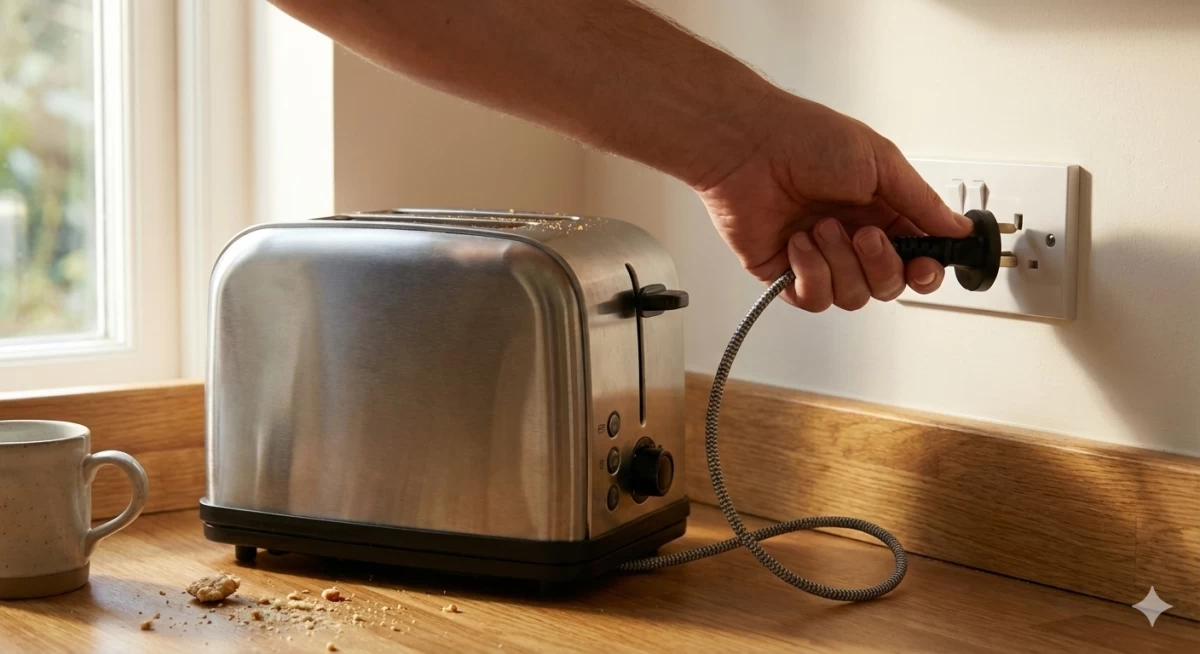
• Unplug appliances and electronics. “Every watt saved means less energy required from the grid,” notes the World Wide Fund for Nature (WWF). Wasted energy increases dependence on fossil fuels. The Energy Saving Trust organization estimates that households spend about £55 or roughly P4,300, annually on appliances left on standby. In 2026, avoid leaving gadgets charging overnight. Make it a habit to unplug appliances when not in use. Before going to bed, do a quick check to see what else can be switched off.