






Manila Bulletin
 Philippines
National
DOH says 'superflu' situation not alarming despite detected cases in PH
Philippines
National
DOH says 'superflu' situation not alarming despite detected cases in PH
Philippines
National
DOH says 'superflu' situation not alarming despite detected cases in PH
DOH says 'superflu' situation not alarming despite detected cases in PH
Published Jan 7, 2026 01:05 pm


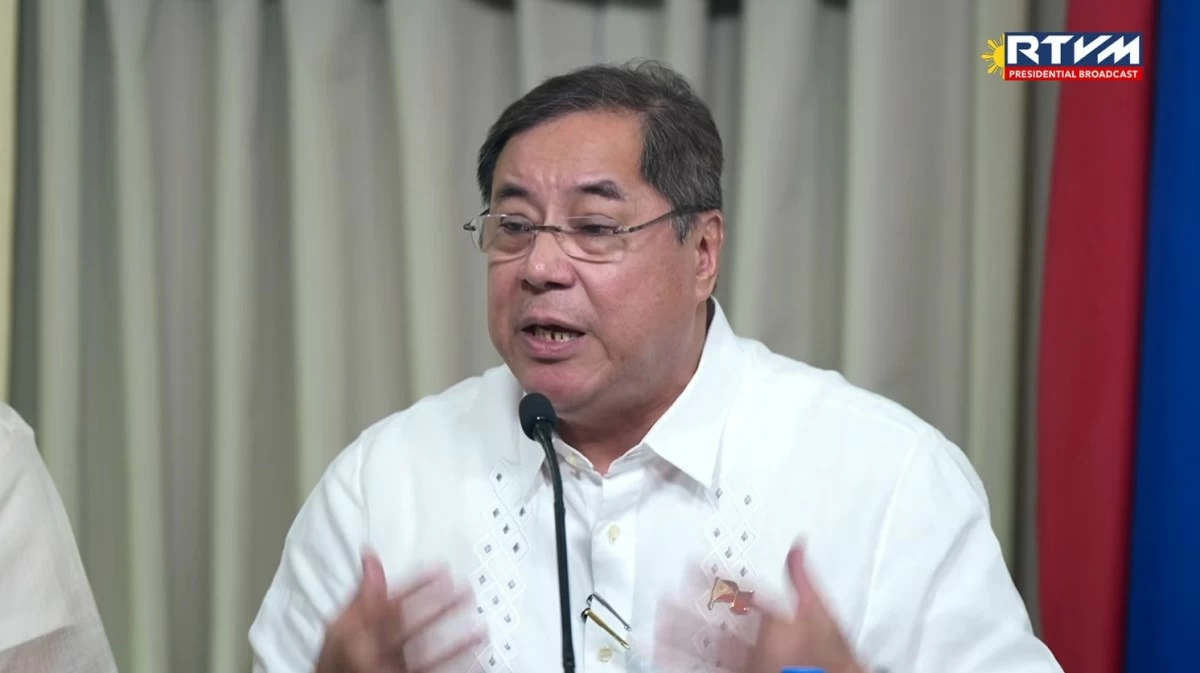
Department of Health Secretary Ted Herbosa (RTVM)
The Department of Health (DOH) said the presence of a new “superflu” variant in the Philippines is not alarming, even as health authorities confirmed that cases had been detected through routine surveillance.
Speaking at a press briefing, Health Secretary Ted Herbosa said the DOH had identified 17 cases of a new influenza subclass during a review of Epidemiology Bureau data, with detections dating back to July and August last year.
He added that the DOH only confirmed the local cases after reexamining surveillance data following a surge of the superflu in the United States and the United Kingdom.
“Actually, we detected superflu here,” he said in a Malacañan presser on Wednesday, Jan. 7, explaining that the findings were part of the country’s ongoing disease monitoring system.
“All of them have recovered,” he added, adding that the cases were found in Metro Manila.
As of early January 2026, health agencies in the US have recorded a sharp rise in flu cases driven by the influenza A H3N2 subclade K variant, with an estimated 11 million illnesses, about 120,000 hospitalizations, and around 5,000 deaths to date, according to the US Centers for Disease Control and Prevention.
Vaccination still advised
Herbosa said influenza remains a self-limiting illness for most people, but can cause serious illness among the elderly, cancer patients, and those with underlying medical conditions.
Despite reports that the new variant can evade some flu vaccines, Herbosa said vaccination remains recommended, particularly for high-risk groups.
He explained that the Philippines uses the southern hemisphere influenza vaccine, which is aligned with local flu patterns that peak during the rainy season.
For the general public, Herbosa reiterated basic health precautions, including staying home when sick and wearing face masks to prevent the spread of infection.
“If you're sick, stay at home,” he said, adding that people with upper respiratory symptoms should avoid close contact with others.
Meanwhile, Herbosa advised Filipinos traveling to temperate countries such as the US and the UK to be aware of increased flu transmission during winter.
“Kung magta-travel kayo (If you are traveling)… get the northern hemisphere shot,” he said, explaining that the northern hemisphere shot is different from the southern hemisphere shot administered in the Philippines.