






Manila Bulletin
 Philippines
National
DepEd: ARAL Program boosts reading skills; P8.93B proposed for 2026 nationwide expansion
Philippines
National
DepEd: ARAL Program boosts reading skills; P8.93B proposed for 2026 nationwide expansion
Philippines
National
DepEd: ARAL Program boosts reading skills; P8.93B proposed for 2026 nationwide expansion
DepEd: ARAL Program boosts reading skills; P8.93B proposed for 2026 nationwide expansion
Published Jan 7, 2026 06:36 pm


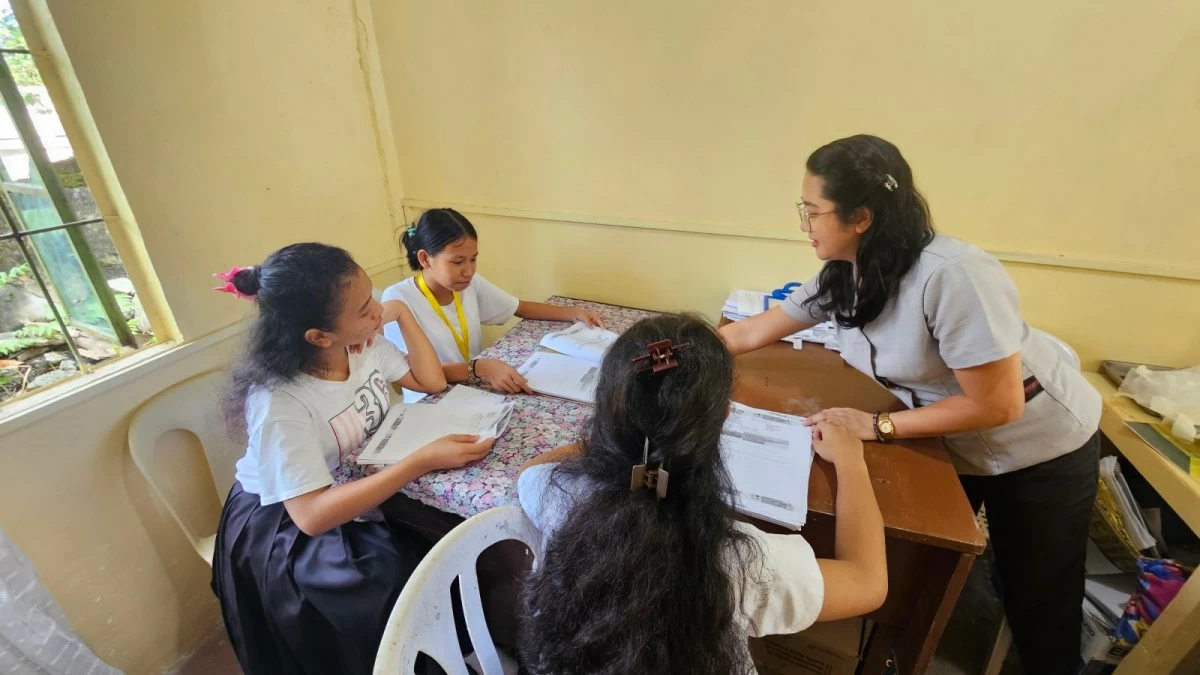
DepEd’s ARAL Program helps millions of learners nationwide improve reading skills, with Php8.93 billion proposed in the 2026 budget for full nationwide expansion. (Photo from DepEd)
The Department of Education (DepEd) reported measurable gains in reading outcomes under its Academic Recovery and Accessible Learning (ARAL) Program, signaling early success in nationwide learning reform.
In a statement released on Wednesday, January 7, DepEd said the announcement coincides with the Marcos administration’s proposed P8.93-billion allocation in the 2026 national budget to fully scale up the program.
DepEd Secretary Sonny Angara, during Malacañang’s press briefing on January 6, highlighted that the proposed budget marks the first full funding for ARAL since its institutionalization into law, allowing the department to expand proven strategies that help learners catch up in reading and mathematics.
“Dito po sa ARAL Program, unprecedented din po iyong spending (Here in the ARAL Program, the spending is also unprecedented),” Angara said. “Ito iyong para humabol tayo dahil lumalabas na nahuli na ang ating mga bata sa reading and math (This is meant for us to catch up because it turns out our children have already fallen behind in reading and math),” he added.
Notable gains
Based on DepEd’s Middle of School Year (MoSY) assessments, submitted by 96 percent of schools as of January 5, the proportion of struggling readers has decreased compared with the beginning of the school year.
Grades 3 to 6 showed an average improvement of five points in reading readiness, while Grades 7 to 10 gained six to nine points, DepEd said.
These gains, the department added, translate to 3.42 million learners in Grades 3–6 and 1.72 million learners in Grades 7–10 moving closer to grade-level reading proficiency.
Impact on students
DepEd highlighted the impact of the program on struggling learners like Rachel, a Grade 7 student from Iriga City.
At the start of the school year, Rachel hesitated to read aloud. After joining the ARAL Program, she now reads confidently in both Filipino and English.
DepEd attributed these improvements to structured remediation, focused tutorial sessions, and regular learner monitoring under ARAL—interventions that will expand nationwide with full funding in 2026.
Over 440,000 tutors, including DepEd personnel and volunteers, are expected to support the program, reducing reliance on teacher overtime and easing classroom workload pressures.
Expanding the program
With the increased budget, DepEd projects that ARAL will cover 6.7 million learners in School Year 2026–2027, nearly double the three million learners reached in 2025.
Funding will also enhance tutor training aligned with literacy standards, provide improved learning materials, and strengthen monitoring systems, including tracking learners through the Learner Information System.
The ARAL Program’s nationwide expansion represents a shift from short-term learning recovery to embedding remediation permanently within the Philippine basic education system, as DepEd continues addressing persistent gaps in reading and mathematics.