







Act now or drown in our own irresponsible practices
Published Jan 7, 2026 12:05 am
|
Updated Jan 6, 2026 03:54 pm


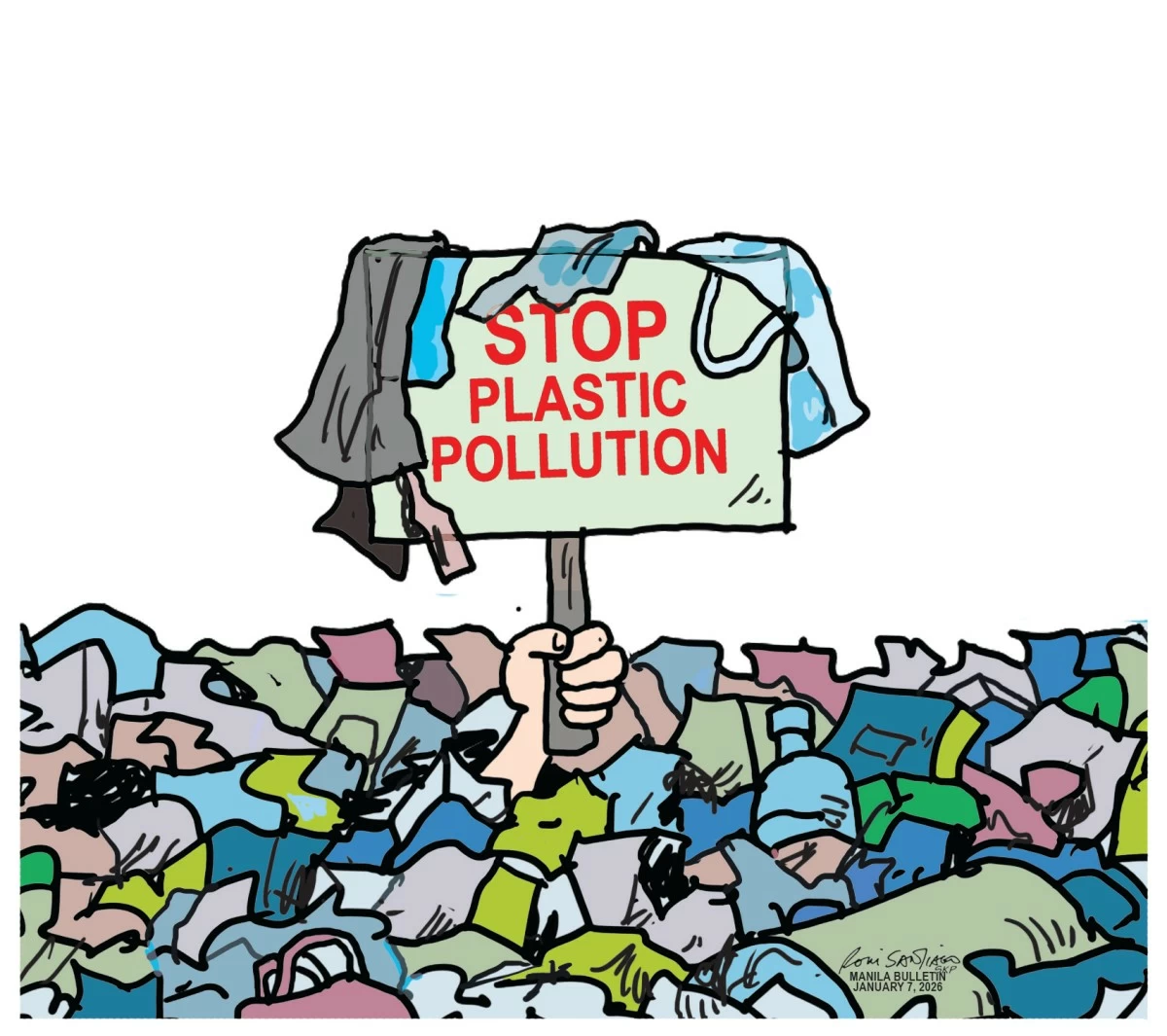
A dump truck of plastic every second. That is the future we are choosing if current trends continue. Despite overwhelming evidence that plastic is choking oceans, poisoning wildlife, and fragmenting into microplastics that now circulate in our blood and lungs, global plastic production keeps accelerating. According to “Breaking the Plastic Wave 2025,” a report by the Pew Charitable Trusts, plastic pollution is projected to reach 280 million metric tons a year by 2040. This is a planetary emergency driven by policy failure, corporate inertia, and personal complacency.
Governments around the world hold the strongest levers—and they have used them far too weakly. Voluntary pledges and recycling slogans cannot compete with an industry designed for endless production. What is needed is hard regulation: caps on virgin plastic production, bans on the most harmful single-use plastics, and mandatory extended producer responsibility (EPR) laws that force companies to pay for the waste they create. Governments must also invest heavily in reuse systems, waste reduction, and modern collection infrastructure, especially in developing countries where leakage into oceans is highest. A strong, enforceable global plastics treaty—one that limits production, not just waste—is no longer optional; it is essential.
For the Philippines, one of the world’s largest contributors to ocean plastic pollution, the challenge is urgent and specific. The country already has laws, but enforcement is weak and fragmented. The government must fully implement and empower the Extended Producer Responsibility Act of 2022, closing loopholes that allow companies to comply on paper while plastic waste continues to flood communities. Single-use plastics—sachets, bags, and disposable food packaging—must be aggressively phased out, with clear timelines and penalties. Equally important is investing in local government capacity: better waste segregation, more materials recovery facilities, and support for informal waste pickers who already perform much of the country’s recycling labor. Plastic pollution in the country is not just an environmental issue—it is a public health, tourism, and climate issue rolled into one.
The private sector, especially consumer goods and petrochemical companies, cannot continue to position itself as a bystander. Plastic pollution is built into their business models. Real leadership means redesigning products for reuse, refill, and durability—not simply switching to “recyclable” plastics that rarely get recycled at all. Companies must drastically reduce plastic packaging, invest in alternative delivery systems, and be transparent about their plastic footprints. Funding cleanup projects is helpful, but it does not absolve companies from responsibility for the flood of plastic they put into the market every day.
Still, policy and corporate reform will fail without public participation. Every individual has a role, even if systemic change matters more than personal virtue. Refusing unnecessary plastic, supporting refill and reuse systems, segregating waste properly, and demanding accountability from brands and politicians all matter. Plastic pollution thrives on the belief that one person’s actions are insignificant. Multiply that belief by billions, and the result is catastrophe.
Plastic was once hailed as a miracle material. Today, it is a mirror reflecting our short-term thinking. The choice before us is stark: regulate, redesign, and reduce—or keep producing until the oceans, and our own bodies, can no longer cope.