






Manila Bulletin
 Business
Trade & Industry
Philippines urges WIPO to finally update 65-year-old broadcast treaty
Business
Trade & Industry
Philippines urges WIPO to finally update 65-year-old broadcast treaty
Business
Trade & Industry
Philippines urges WIPO to finally update 65-year-old broadcast treaty
Philippines urges WIPO to finally update 65-year-old broadcast treaty
Published Jan 6, 2026 10:57 am


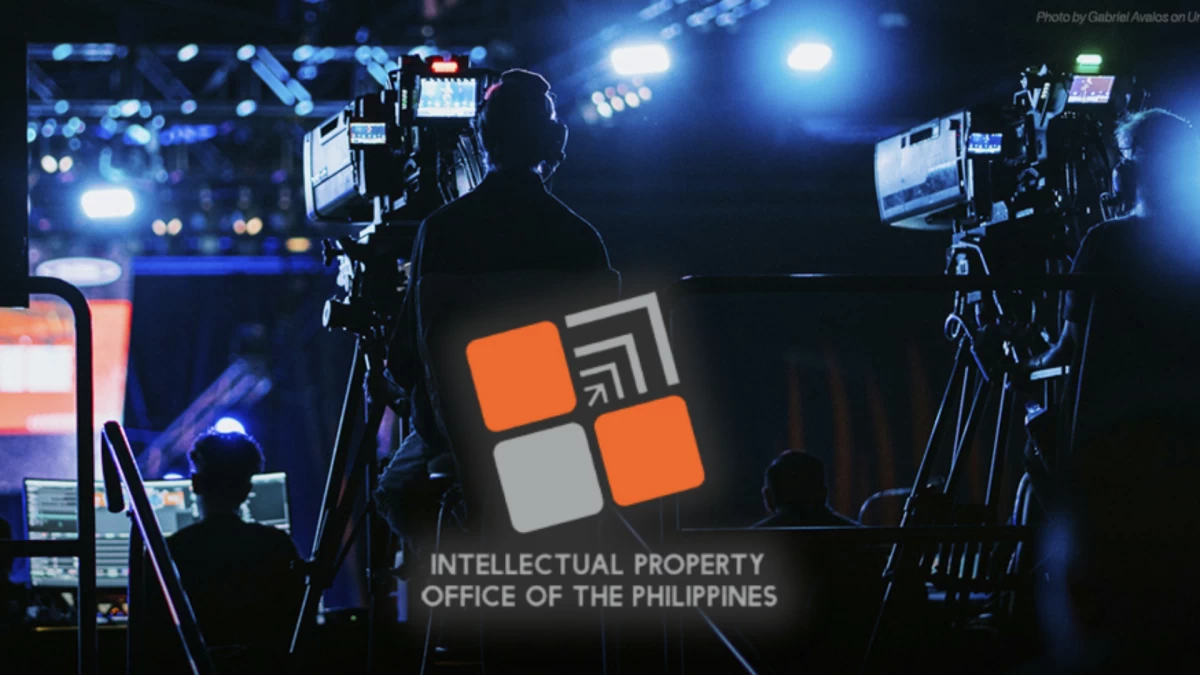
The Philippines is urging member states of the World Intellectual Property Organization (WIPO) to find common ground in hopes of concluding a treaty that would finally amend the 65-year-old global copyright system for television broadcasters.
The Intellectual Property Office of the Philippines (IPOPHL) said the country is calling on WIPO members to convene a diplomatic conference to conclude the proposed Broadcast Treaty, which would replace the 1961 Rome Convention.
The Broadcast Treaty, whose negotiations began in Manila in 1997, seeks to update protections for broadcasters amid the emergence of new technologies and to grant them copyright-like control over the content of their broadcasts.
International rules protecting television broadcasts from piracy have not been updated since the 1961 treaty, a time when cable television was still in its infancy and the internet had yet to be invented.
On the sidelines of the 47th session of the WIPO Standing Committee on Copyright and Related Rights (SCCR), held last month, the Philippine delegation warned that further delays in concluding the Broadcast Treaty could have dire consequences for broadcasters.
Philippine Mission Consul General Felipe Cariño III said this is particularly relevant for broadcasters in developing economies such as the Philippines, which are vulnerable to cross-border signal piracy.
“The world is watching whether WIPO can still deliver balanced agreements. Twenty-eight years is long enough. Let us finish what Manila started,” he said.
Cariño noted that the decades-old treaty is no longer relevant in addressing the realities of piracy in the digital age.
He added that the latest draft of the Broadcast Treaty already contains “significant safeguards” for the public domain, flexibilities for developing countries, and built-in limitations and exceptions.
These additional protections are expected to address concerns surrounding the proposed treaty, which have contributed to long delays in its potential entry into force.
WIPO noted that the main issues surrounding the Broadcast Treaty include its scope of protection across technologies, the safeguarding of broadcast signals against piracy, and the extension of broadcasters’ rights to cover new forms of retransmission, particularly online.
IPOPHL Acting Director General Nathaniel Arevalo said there must be a clear balance between strengthening broadcasters’ intellectual property rights and ensuring access and fairness for the public if the treaty is to move forward.
“Balanced copyright must work in the real world,” he said.
Meanwhile, the Philippines renewed its call for WIPO to build on the African Regional Conference on Artists’ Resale Rights by holding a similar meeting for the Asia-Pacific region, which the country has expressed willingness to host.
The proposed conference is expected to serve as a platform for countries in the region to share common priorities in strengthening collective management systems and exploring appropriate resale-right models.
The Philippines also supported proposals for studies on the rights of audiovisual authors and their remuneration for the use of their works, as well as on the rights of actors and other audiovisual performers, including payment mechanisms for the exploitation of their performances.
IPOPHL said these studies would help prepare the agency for issuing implementing regulations for the Beijing Treaty on Audiovisual Performances (BTAP).
BTAP, which entered into force in 2020, sets standards for the remuneration and protection of audiovisual performances, both in recorded and live formats.