ADVERTISEMENT

Jonathan Anderson transforms haute couture motifs into Dior's newest it bags

Published Jan 6, 2026 10:14 pm
Jonathan Anderson’s arrival at the House of Dior is undoubtedly among the biggest fashion news stories of 2025, making everyone eager to see what he would bring to the historic fashion label. And when he presented his men’s collection and Spring–Summer 2026 line, saying that the fashion community was impressed would be an understatement.
As creative director, Jonathan has begun to reimagine some of Dior’s iconic designs while also producing new creations that excite long-time fans and invite new ones.
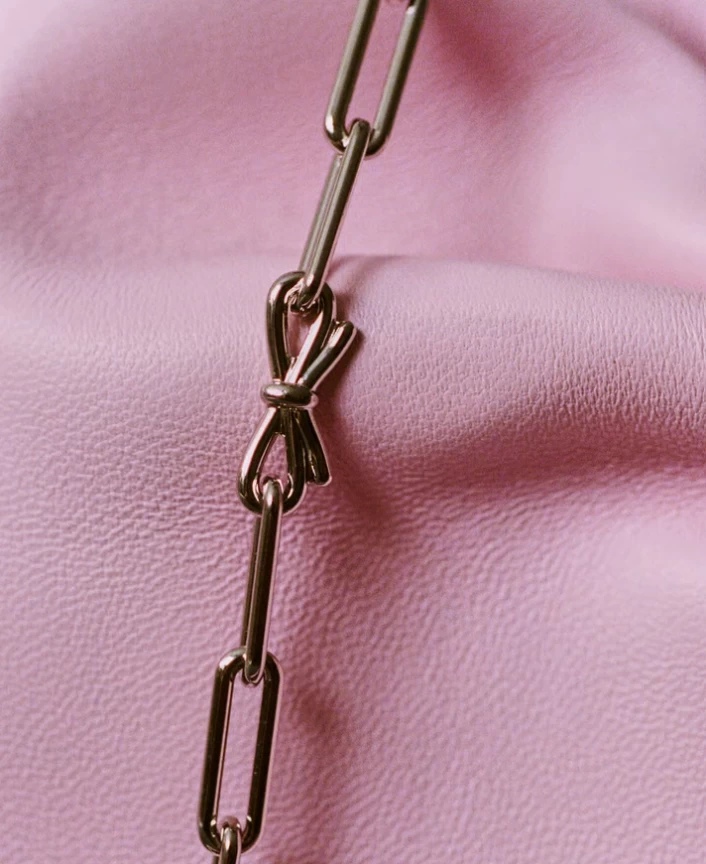
A closer look at the chain of the Bow bag
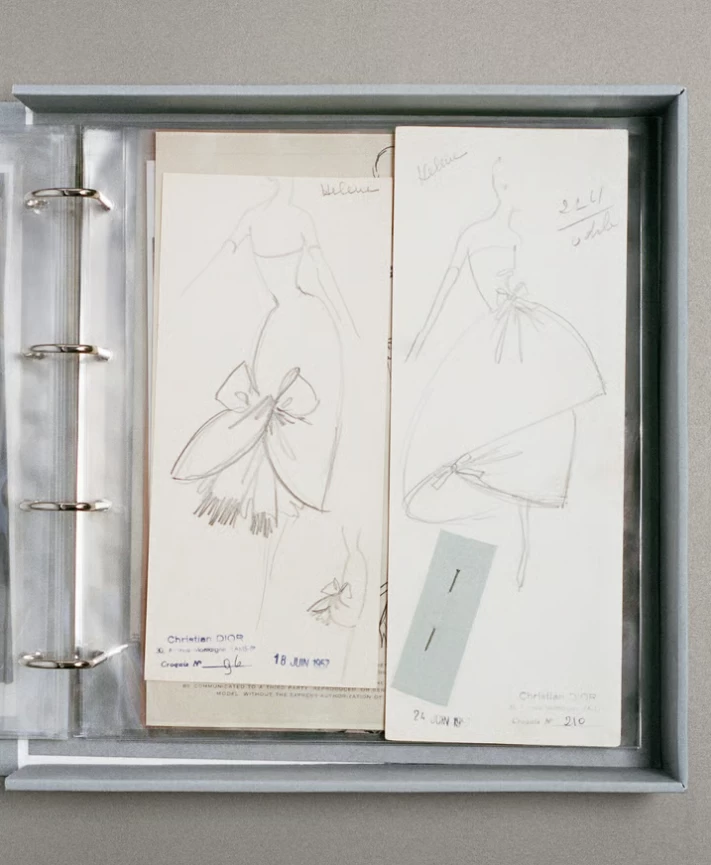
Archival sketches that inspired the creation of the Bow bag
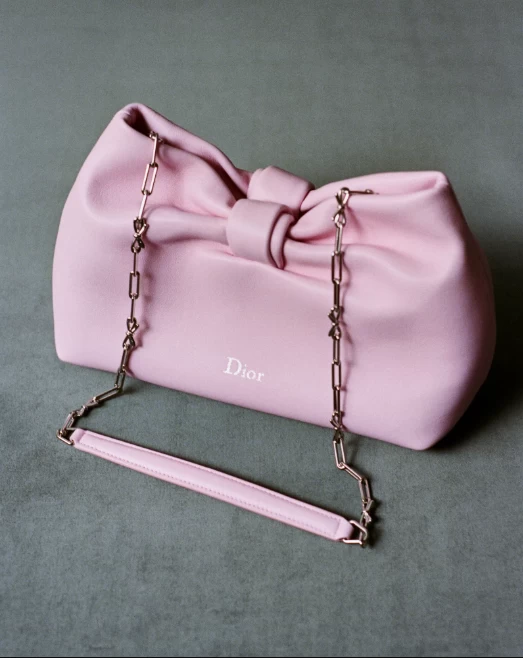
Jonathan Anderson's Bow bag
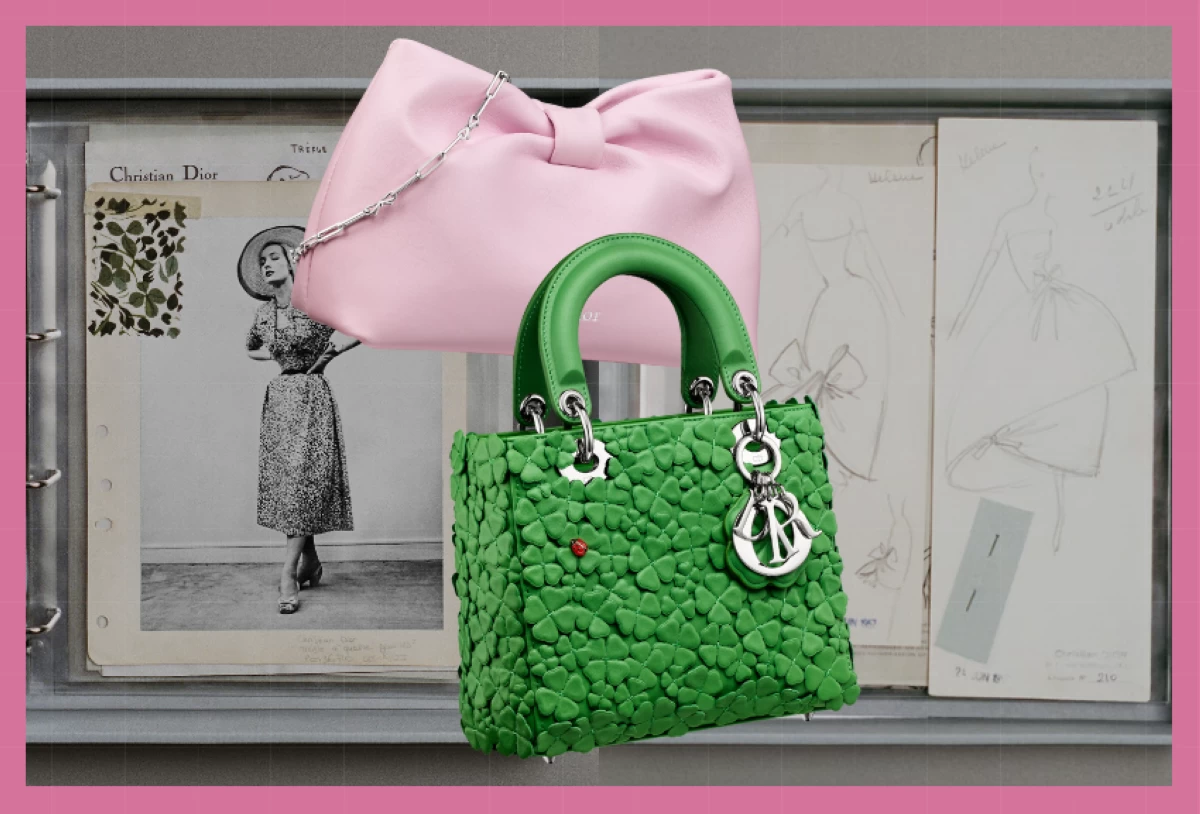
One of the new designs he is introducing to the Maison is the Bow bag, which takes inspiration from haute couture dresses such as “Sans Souci” (1957), “Curaçao” (1954), and “Tourbillon” (1956). The bow is designed as an expression of functional style for today. The bag is crafted from grained leather and features an invisible closure and a removable chain, playfully combining metal links and bows.
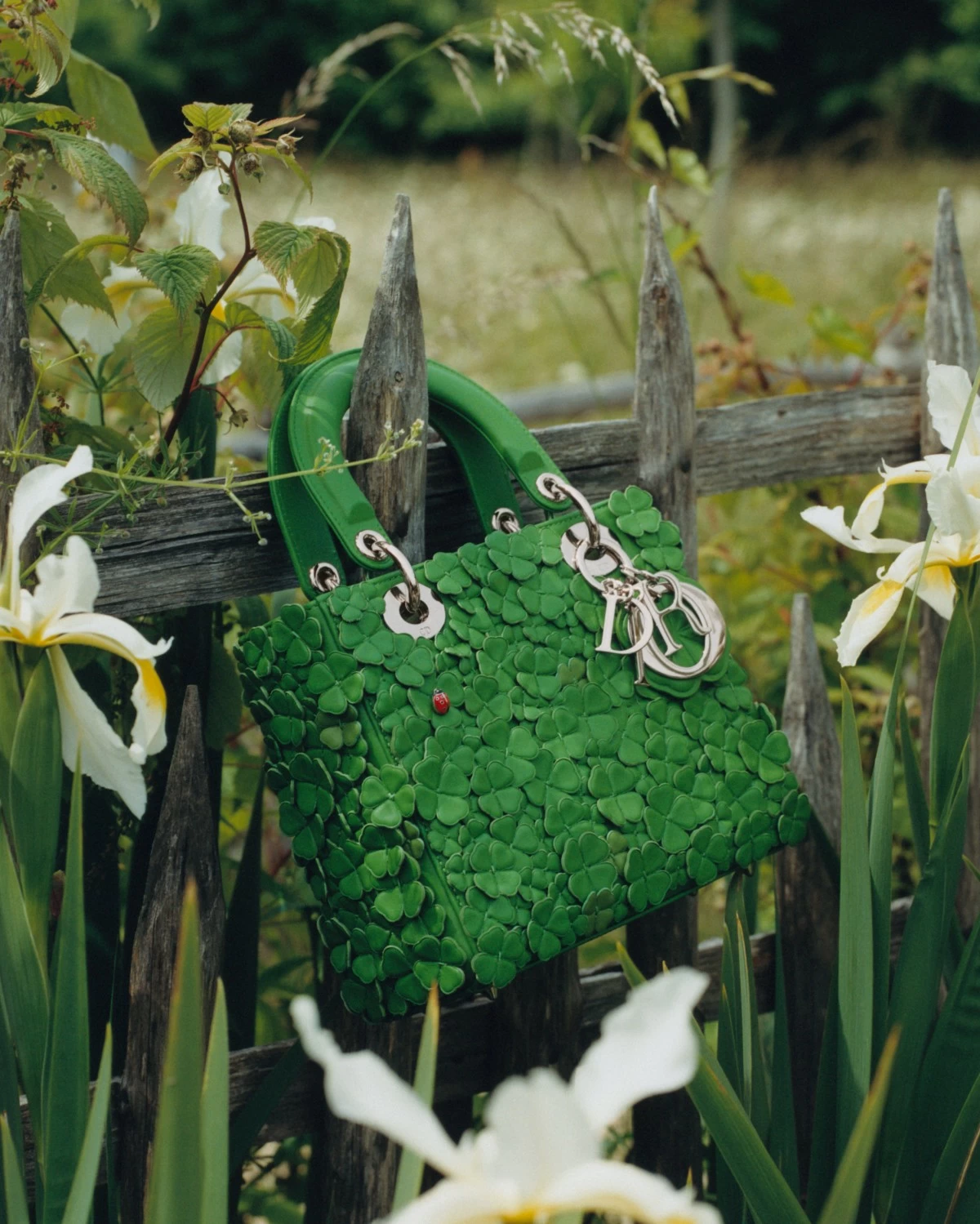
Lady Dior Clover
Lady Dior Clover
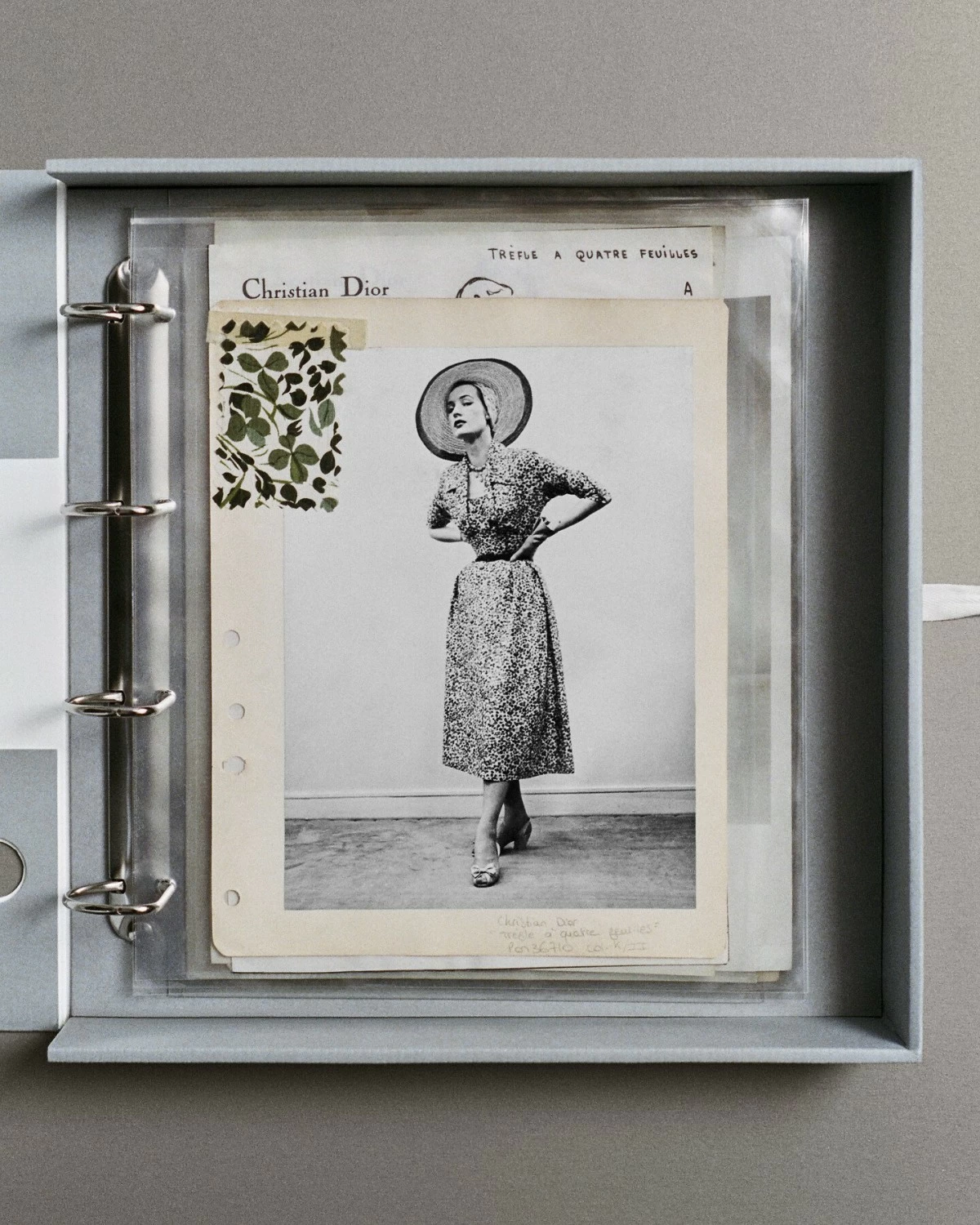
The Trèfle à Quatre Feuilles dress
Another piece inspired by archival couture is a new interpretation of the Lady Dior. This season, Jonathan introduces the Mini Lady Dior Clover, which honors Christian Dior’s magical thinking and his Irish roots by dotting the bag with embroidered four-leaf clovers and three-dimensional buttercups. The Mini Lady Dior Clover is available in green, black, and rose soupir, adorned with a red ladybug. The Mini Lady Dior Buttercup, on the other hand, comes in bright yellow, with a small bee and “D, I, O, R” charms completing the design.
Intrigued by what Jonathan has done at Dior? Take a closer look at some of the pieces he has sent down the runway, where house codes are reworked with a modern edge and craftsmanship is pushed into quietly daring territory.
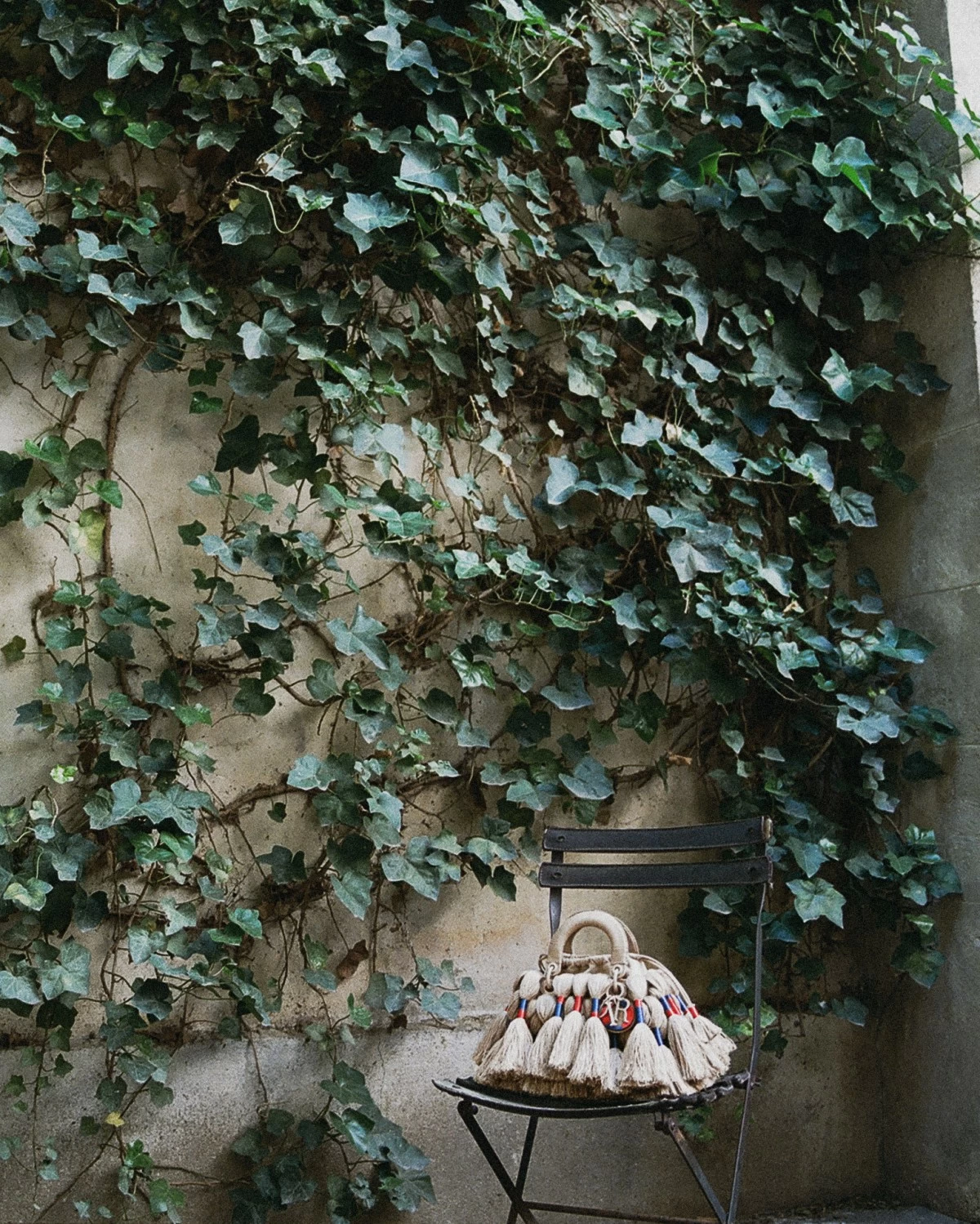
Lady Dior in collaboration with Sheila Hicks
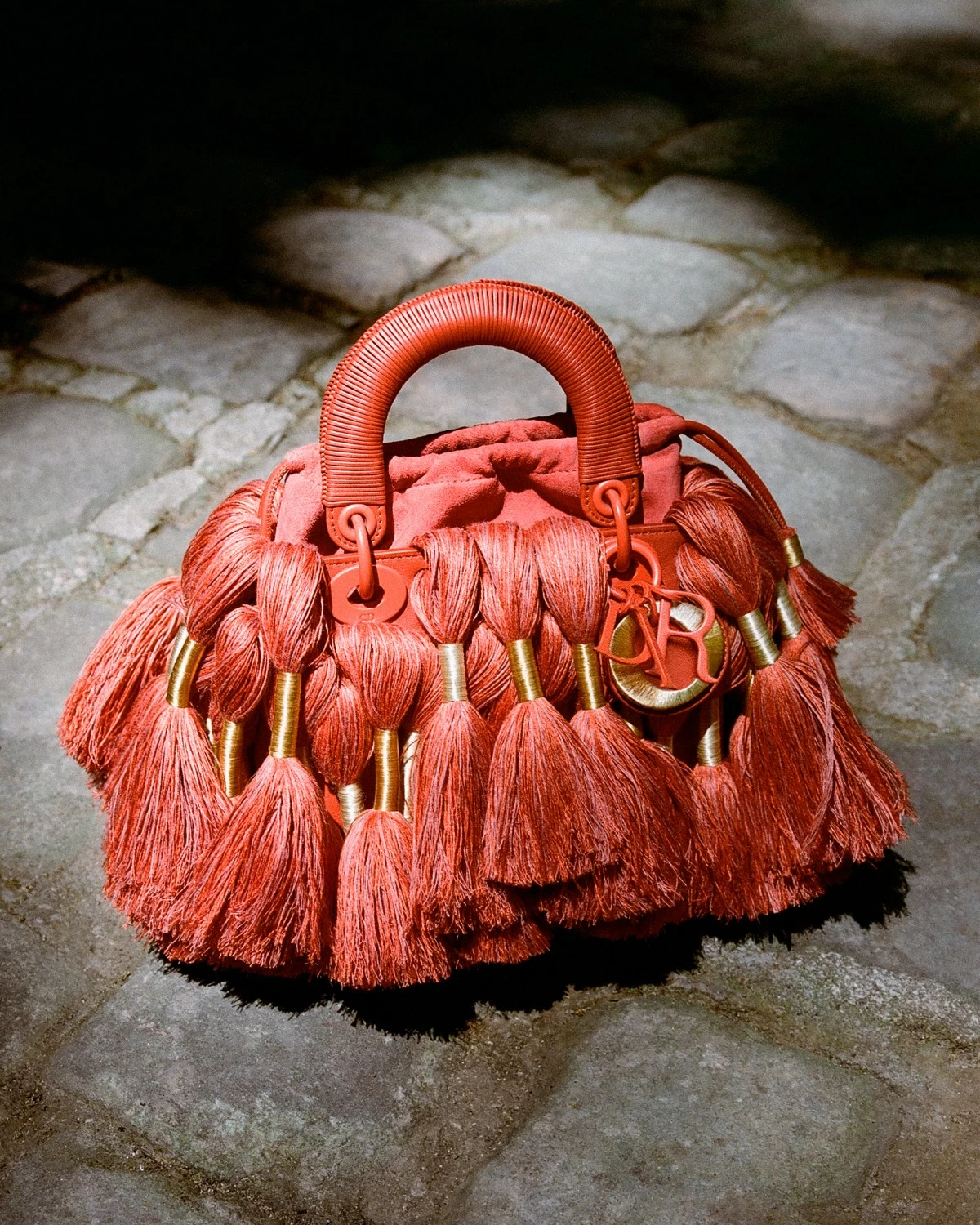
Lady Dior
Among the many bag designs of the House, the Lady Dior stands out most for its association with the late Princess Diana. Jonathan Anderson reimagined this beloved piece by collaborating with American artist Sheila Hicks. Together, they transformed the bag into a textile art object, with tassels of linen and silk threads intertwined.
“We worked with Sheila Hicks, who has reinvented the Lady Dior by cloaking it in cascading tassels arranged like ponytails,” Jonathan says. “Her ingenious reinterpretation reflects her ongoing curiosity about form, texture, and color, here subtly considering how the bag is worn and how people understand it as a sculptural object.”
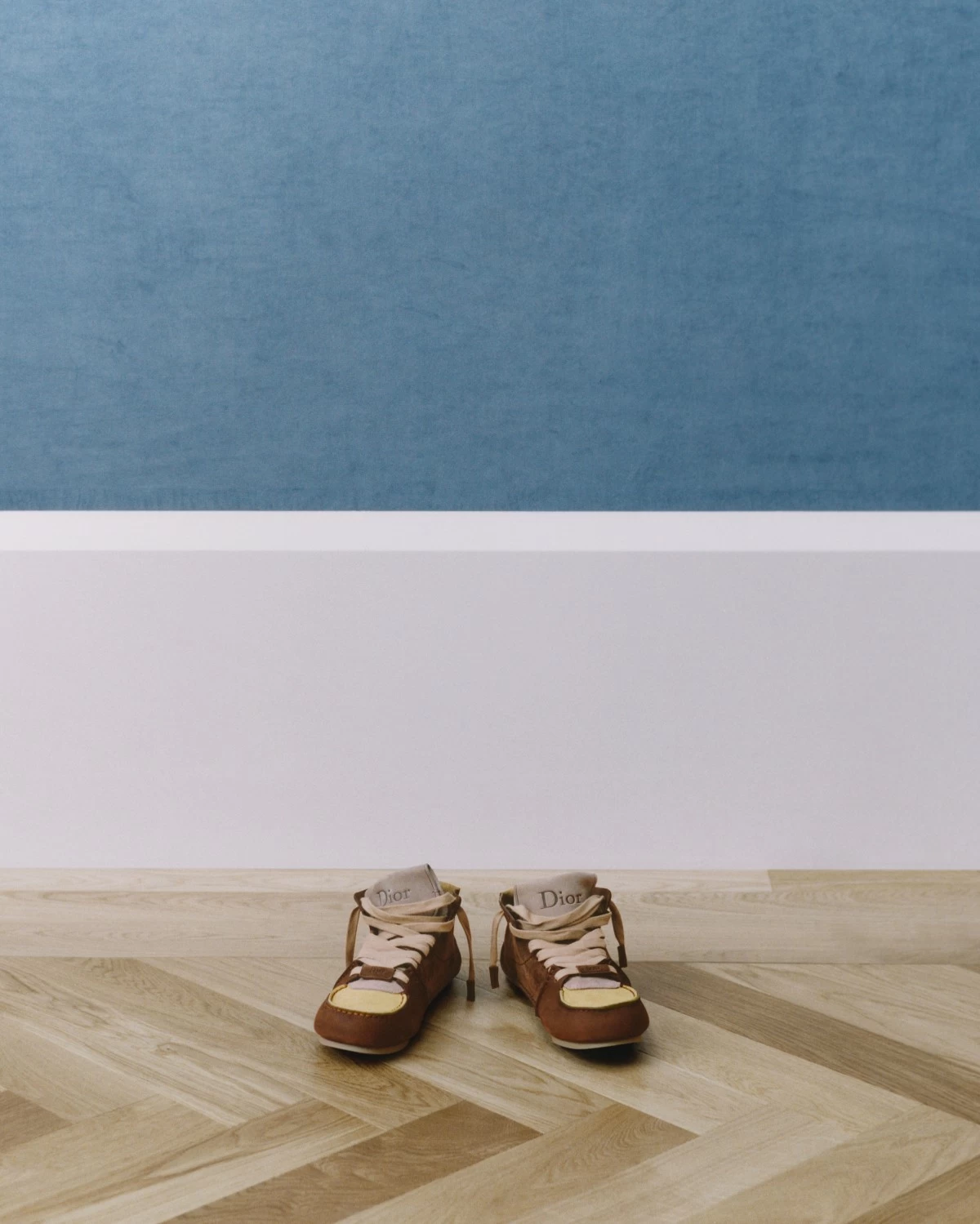
Roadie shoes
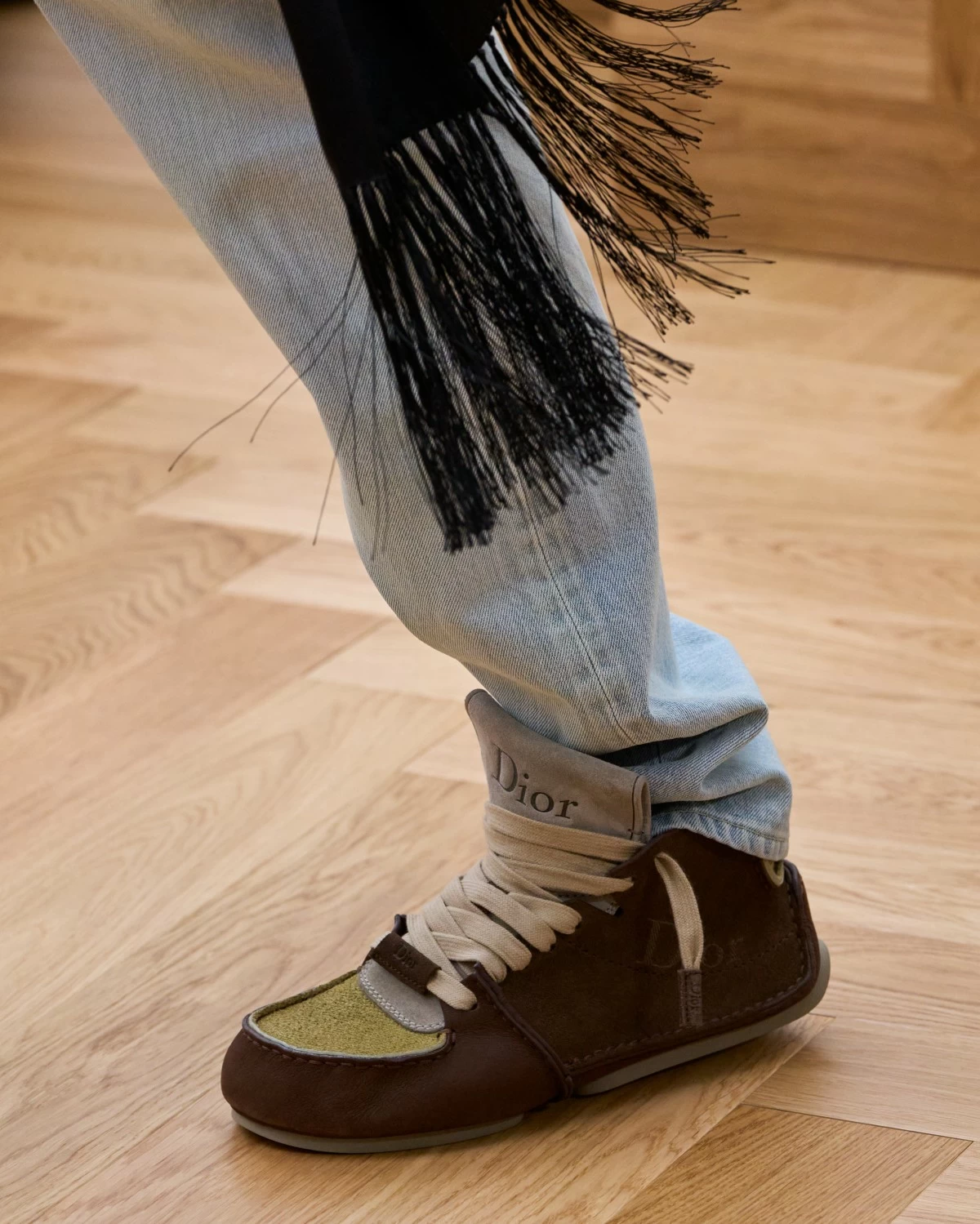
Roadie shoes
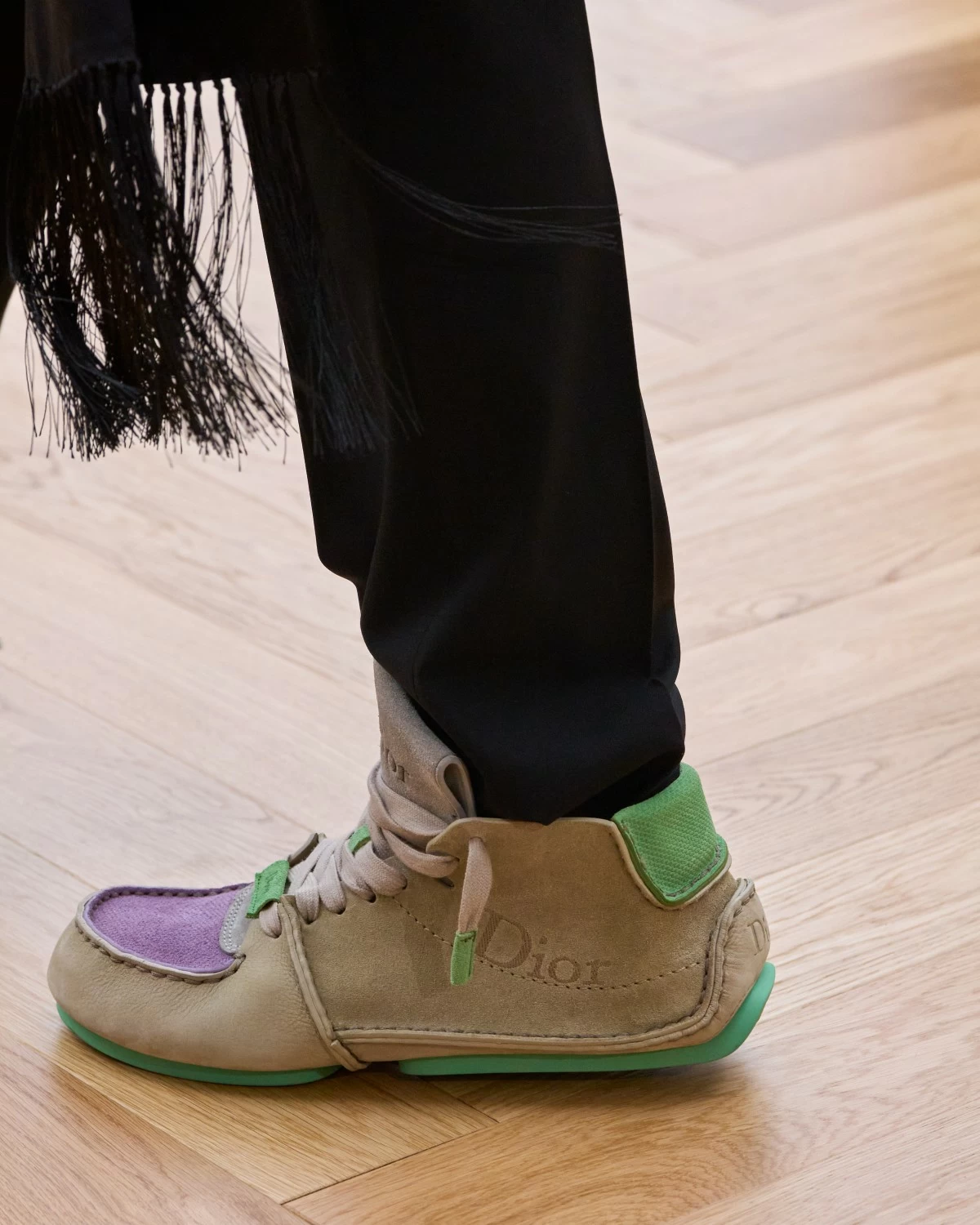
Roadie shoes
Roadie shoes
Roadie shoes
Roadie shoes
Roadie Shoes
Jonathan is a master at merging contrasting styles. A perfect example is the Dior Roadie shoes, a hybrid design that combines casual sneakers with functional elegance. Made from nubuck leather, mesh-effect printed suede, and soles designed to follow the foot’s movement, the shoes come in coordinating shades of brown, gray, dark green, or beige, finished with a tone-on-tone “Dior” logo embroidered on the side.
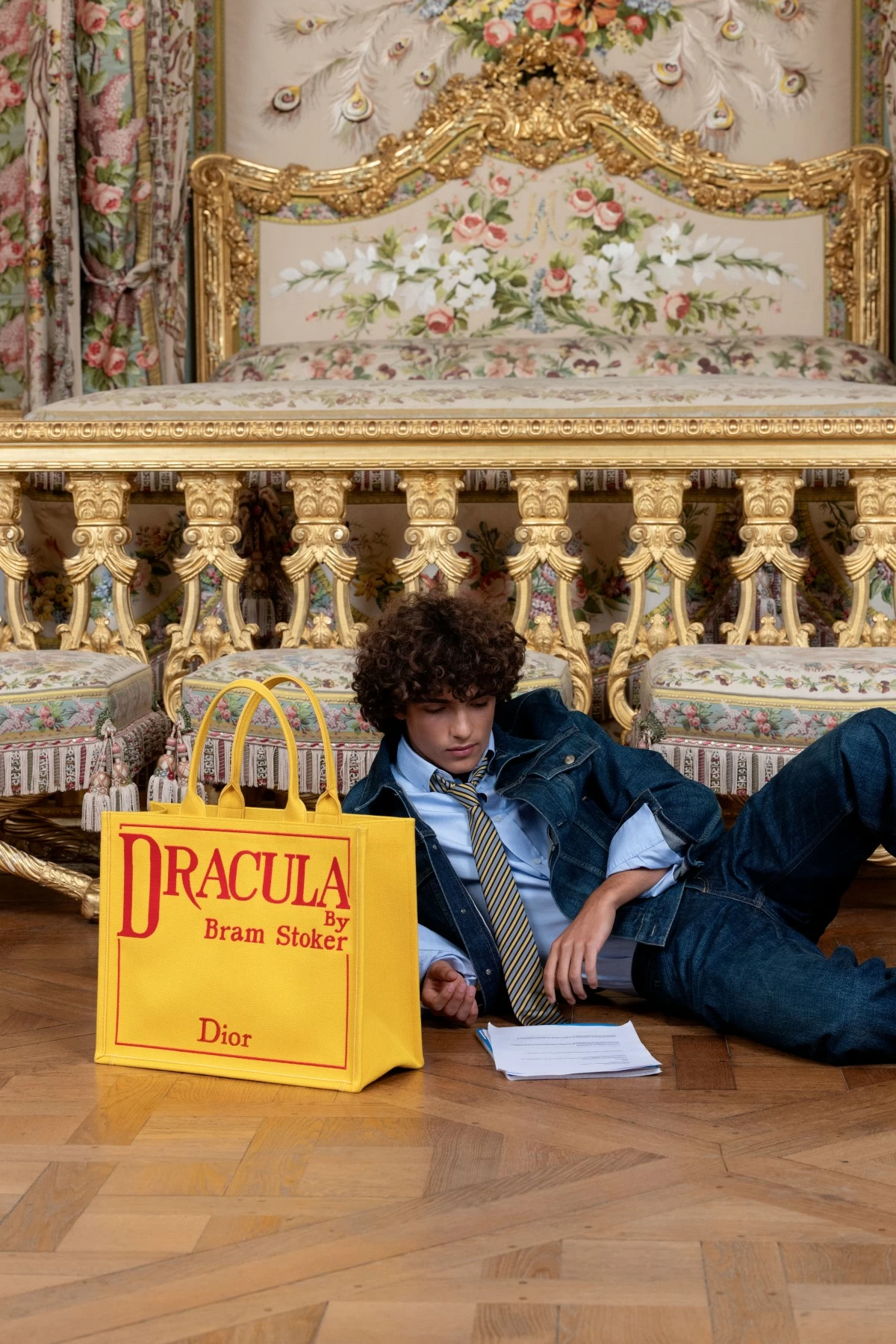
Dior book tote
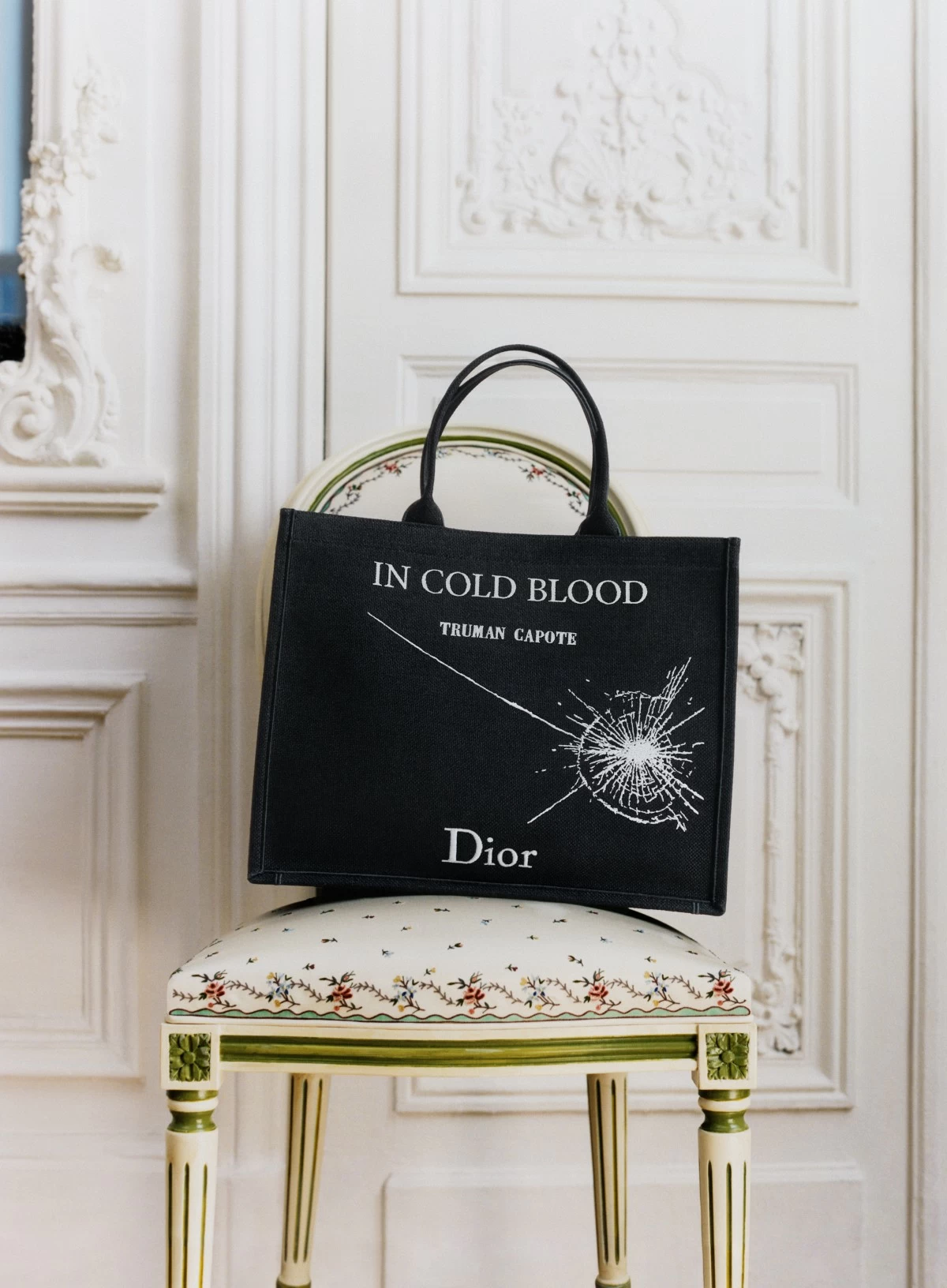
Dior book tote
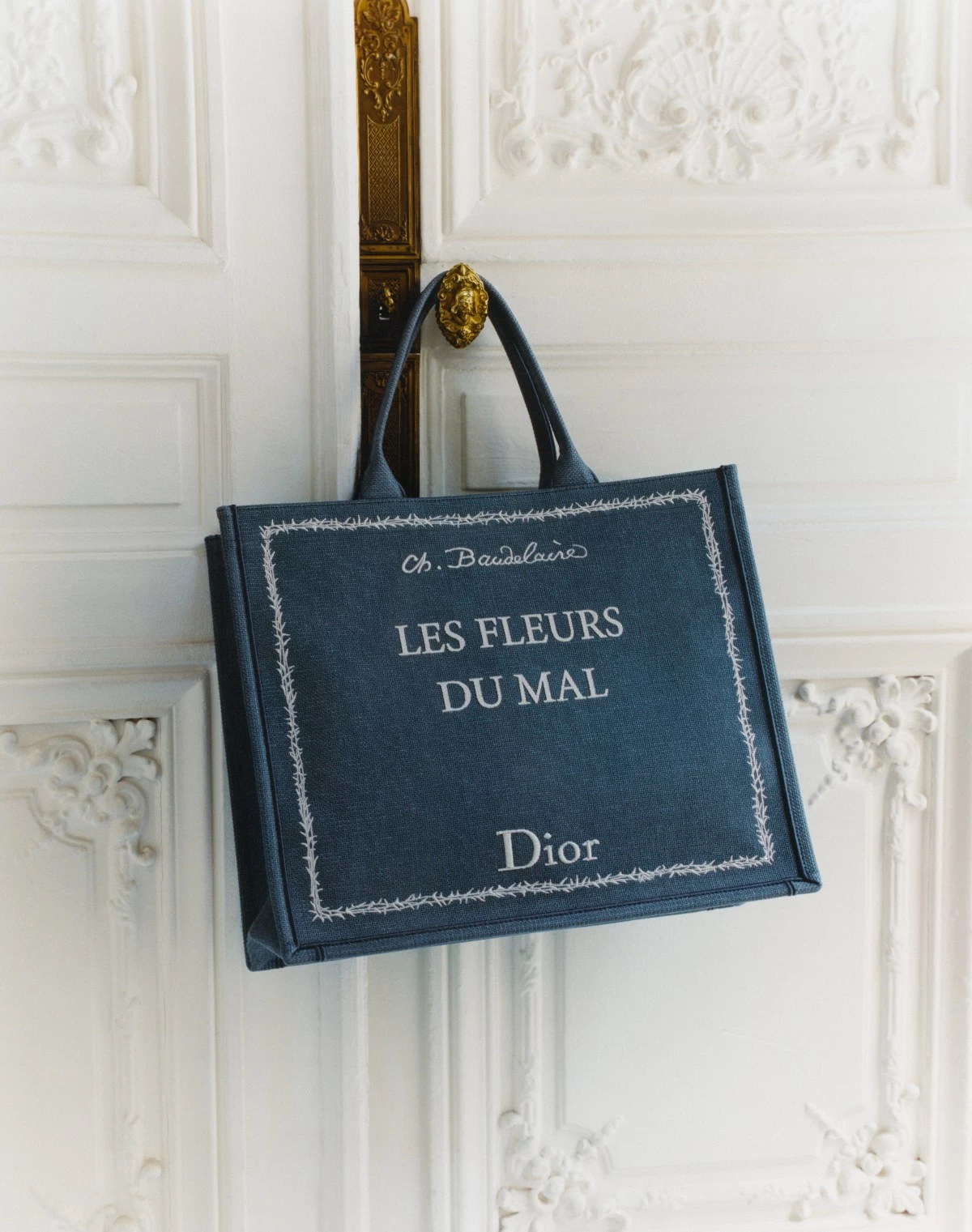
Dior book tote
Dior book tote
Dior book tote
Dior book tote
Book Totes
As their name suggests, Book Totes are meant to carry literary creations. It was therefore natural for Jonathan to put a fun yet poetic twist on one of the Maison’s staples by featuring the covers of some of the world’s most renowned novels. Available in three sizes—large, medium, and mini—the new Book Totes showcase designs inspired by Bram Stoker’s “Dracula,” James Joyce’s “Ulysses,” Truman Capote’s “In Cold Blood,” and Charles Baudelaire’s “Fleurs du Mal.” These literary tributes pay homage to Jonathan’s love for the arts and literature from Ireland (his birthplace), France, and the US.
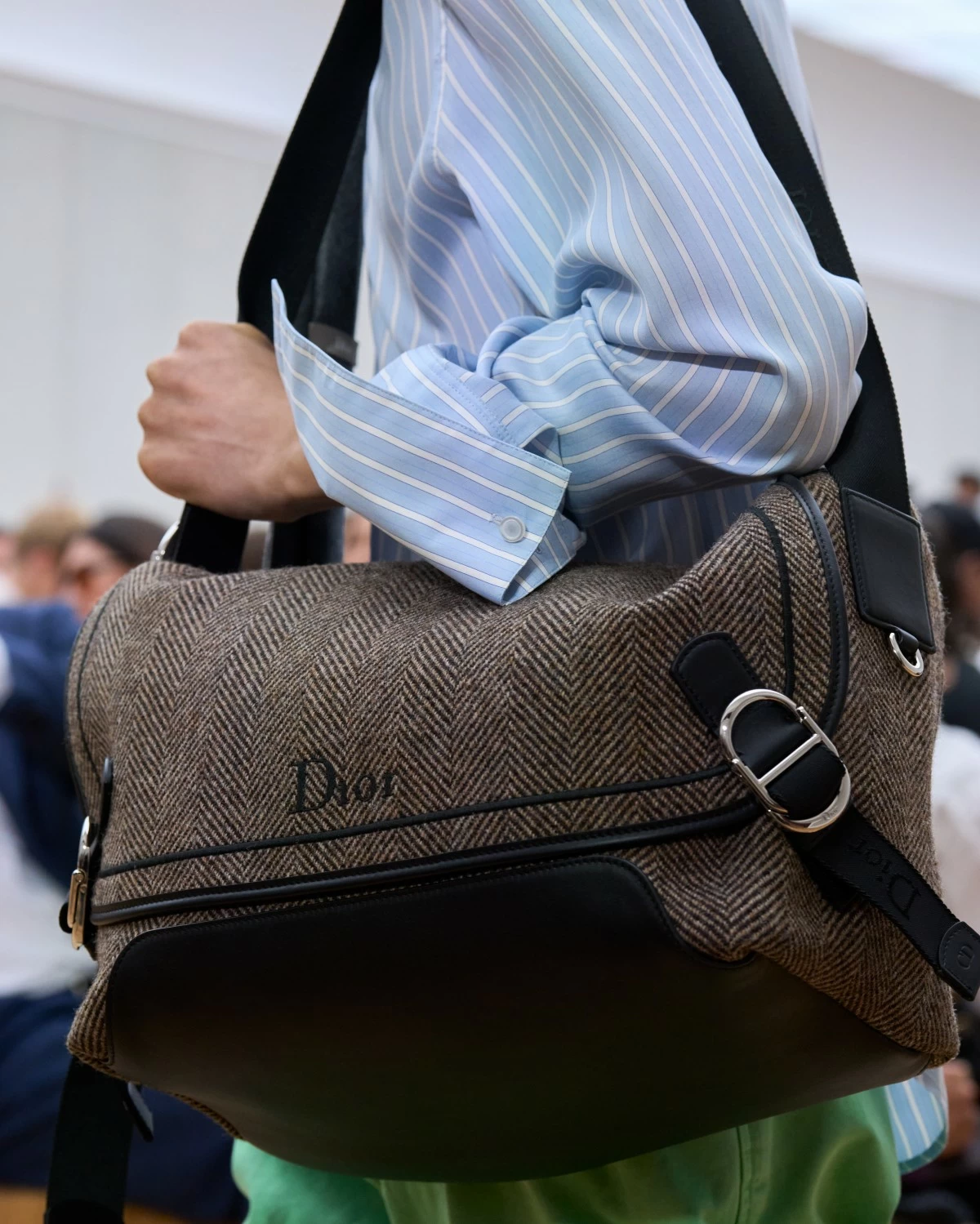
Dior Jett
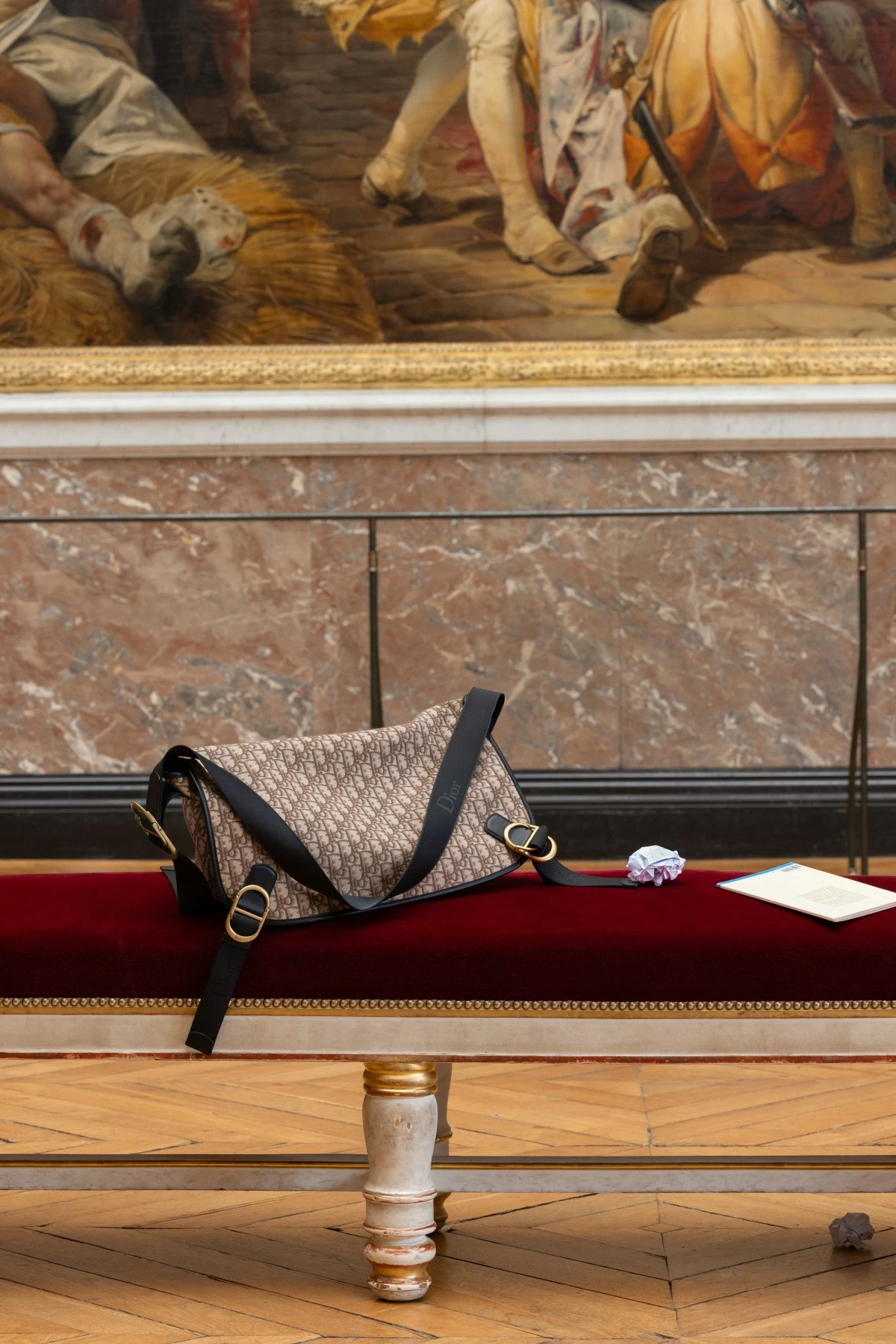
Dior Jett
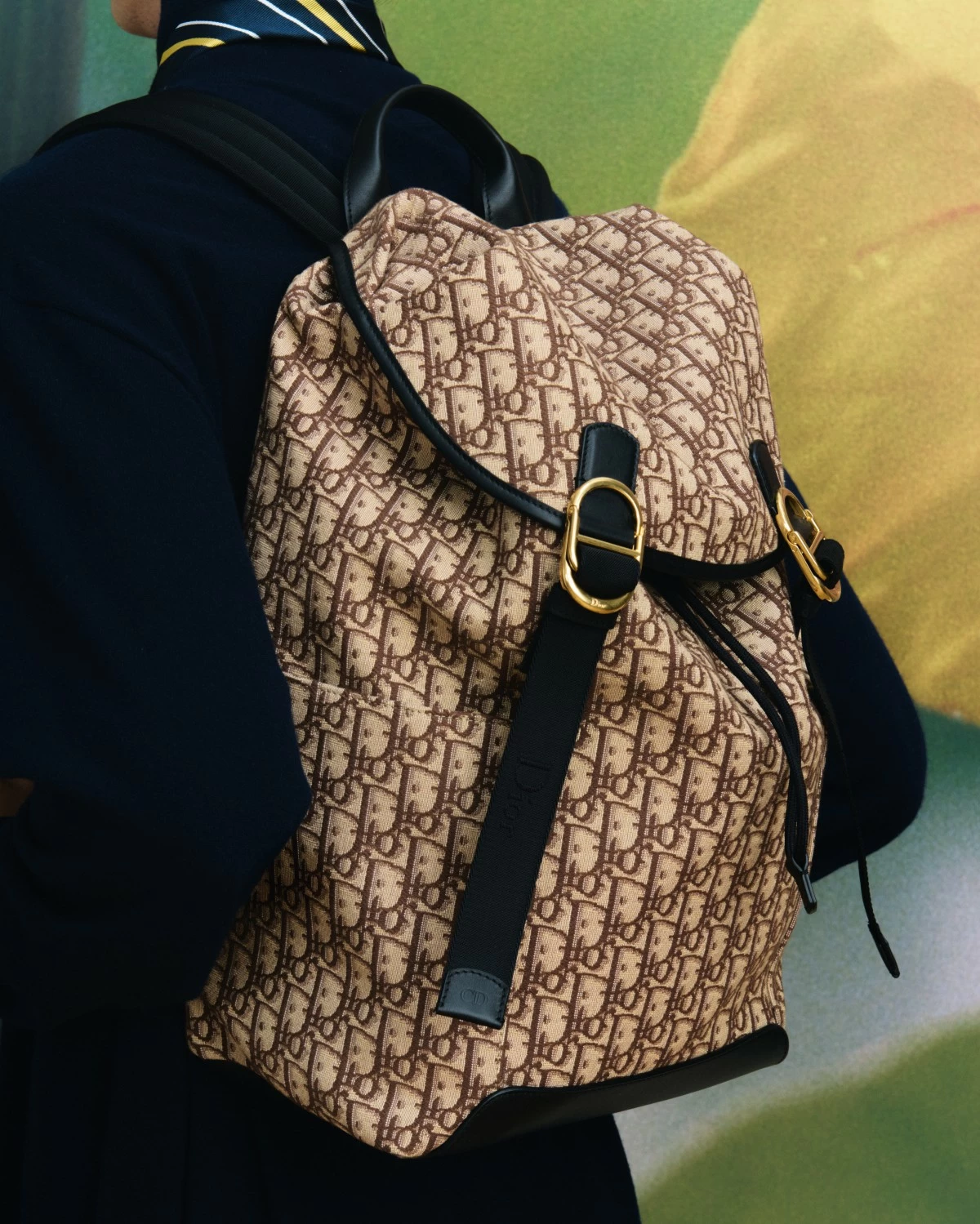
Dior Jett
Dior Jett
Dior Jett
Dior Jett
Dior Jett
Unlike some of the House’s more classic bags, Dior Jett is utilitarian and travel-inspired. To give it a fresh perspective, Jonathan looked to the work of French designer Marc Bohan, who served as Dior’s creative director for nearly three decades. The bag now features Bohan’s 1967 motif and comes in messenger and backpack versions. Objects of desire that embody a free spirit, the bags are finished with a double magnetic buckle shaped like the initials “CD” and a discreet “Dior” logo.
Dior’s latest pieces will be available in stores starting this January.

Related Tags

fashion and beauty Dior
ADVERTISEMENT
.most-popular .layout-ratio{ padding-bottom: 79.13%; } @media (min-width: 768px) and (max-width: 1024px) { .widget-title { font-size: 15px !important; } }

{{ articles_filter_1561_widget.title }}

.most-popular .layout-ratio{ padding-bottom: 79.13%; } @media (min-width: 768px) and (max-width: 1024px) { .widget-title { font-size: 15px !important; } }

{{ articles_filter_1562_widget.title }}

.most-popular .layout-ratio{ padding-bottom: 79.13%; } @media (min-width: 768px) and (max-width: 1024px) { .widget-title { font-size: 15px !important; } }

{{ articles_filter_1563_widget.title }}

{{ articles_filter_1564_widget.title }}

.mb-article-details { position: relative; } .mb-article-details .article-body-preview, .mb-article-details .article-body-summary{ font-size: 17px; line-height: 30px; font-family: "Libre Caslon Text", serif; color: #000; } .mb-article-details .article-body-preview iframe , .mb-article-details .article-body-summary iframe{ width: 100%; margin: auto; } .read-more-background { background: linear-gradient(180deg, color(display-p3 1.000 1.000 1.000 / 0) 13.75%, color(display-p3 1.000 1.000 1.000 / 0.8) 30.79%, color(display-p3 1.000 1.000 1.000) 72.5%); position: absolute; height: 200px; width: 100%; bottom: 0; display: flex; justify-content: center; align-items: center; padding: 0; } .read-more-background a{ color: #000; } .read-more-btn { padding: 17px 45px; font-family: Inter; font-weight: 700; font-size: 18px; line-height: 16px; text-align: center; vertical-align: middle; border: 1px solid black; background-color: white; } .hidden { display: none; }
function initializeAllSwipers() { // Get all hidden inputs with cms_article_id document.querySelectorAll('[id^="cms_article_id_"]').forEach(function (input) { const cmsArticleId = input.value; const articleSelector = '#article-' + cmsArticleId + ' .body_images'; const swiperElement = document.querySelector(articleSelector); if (swiperElement && !swiperElement.classList.contains('swiper-initialized')) { new Swiper(articleSelector, { loop: true, pagination: false, navigation: { nextEl: '#article-' + cmsArticleId + ' .swiper-button-next', prevEl: '#article-' + cmsArticleId + ' .swiper-button-prev', }, }); } }); } setTimeout(initializeAllSwipers, 3000); const intersectionObserver = new IntersectionObserver( (entries) => { entries.forEach((entry) => { if (entry.isIntersecting) { const newUrl = entry.target.getAttribute("data-url"); if (newUrl) { history.pushState(null, null, newUrl); let article = entry.target; // Extract metadata const author = article.querySelector('.author-section').textContent.replace('By', '').trim(); const section = article.querySelector('.section-info ').textContent.replace(' ', ' '); const title = article.querySelector('.article-title h1').textContent; // Parse URL for Chartbeat path format const parsedUrl = new URL(newUrl, window.location.origin); const cleanUrl = parsedUrl.host + parsedUrl.pathname; // Update Chartbeat configuration if (typeof window._sf_async_config !== 'undefined') { window._sf_async_config.path = cleanUrl; window._sf_async_config.sections = section; window._sf_async_config.authors = author; } // Track virtual page view with Chartbeat if (typeof pSUPERFLY !== 'undefined' && typeof pSUPERFLY.virtualPage === 'function') { try { pSUPERFLY.virtualPage({ path: cleanUrl, title: title, sections: section, authors: author }); } catch (error) { console.error('ping error', error); } } // Optional: Update document title if (title && title !== document.title) { document.title = title; } } } }); }, { threshold: 0.1 } ); function showArticleBody(button) { const article = button.closest("article"); const summary = article.querySelector(".article-body-summary"); const body = article.querySelector(".article-body-preview"); const readMoreSection = article.querySelector(".read-more-background"); // Hide summary and read-more section summary.style.display = "none"; readMoreSection.style.display = "none"; // Show the full article body body.classList.remove("hidden"); } document.addEventListener("DOMContentLoaded", () => { let loadCount = 0; // Track how many times articles are loaded const offset = [1, 2, 3, 4, 5, 6, 7, 8, 9, 10]; // Offset values const currentUrl = window.location.pathname.substring(1); let isLoading = false; // Prevent multiple calls if (!currentUrl) { console.log("Current URL is invalid."); return; } const sentinel = document.getElementById("load-more-sentinel"); if (!sentinel) { console.log("Sentinel element not found."); return; } function isSentinelVisible() { const rect = sentinel.getBoundingClientRect(); return ( rect.top < window.innerHeight && rect.bottom >= 0 ); } function onScroll() { if (isLoading) return; if (isSentinelVisible()) { if (loadCount >= offset.length) { console.log("Maximum load attempts reached."); window.removeEventListener("scroll", onScroll); return; } isLoading = true; const currentOffset = offset[loadCount]; window.loadMoreItems().then(() => { let article = document.querySelector('#widget_1690 > div:nth-last-of-type(2) article'); intersectionObserver.observe(article) loadCount++; }).catch(error => { console.error("Error loading more items:", error); }).finally(() => { isLoading = false; }); } } window.addEventListener("scroll", onScroll); });

Sign up by email to receive news.