






Manila Bulletin
 Business
Trade & Industry
Tiu Laurel: 2026 budget to prioritize irrigation, logistics, animal health
Business
Trade & Industry
Tiu Laurel: 2026 budget to prioritize irrigation, logistics, animal health
Business
Trade & Industry
Tiu Laurel: 2026 budget to prioritize irrigation, logistics, animal health
Tiu Laurel: 2026 budget to prioritize irrigation, logistics, animal health
Published Jan 5, 2026 01:51 pm


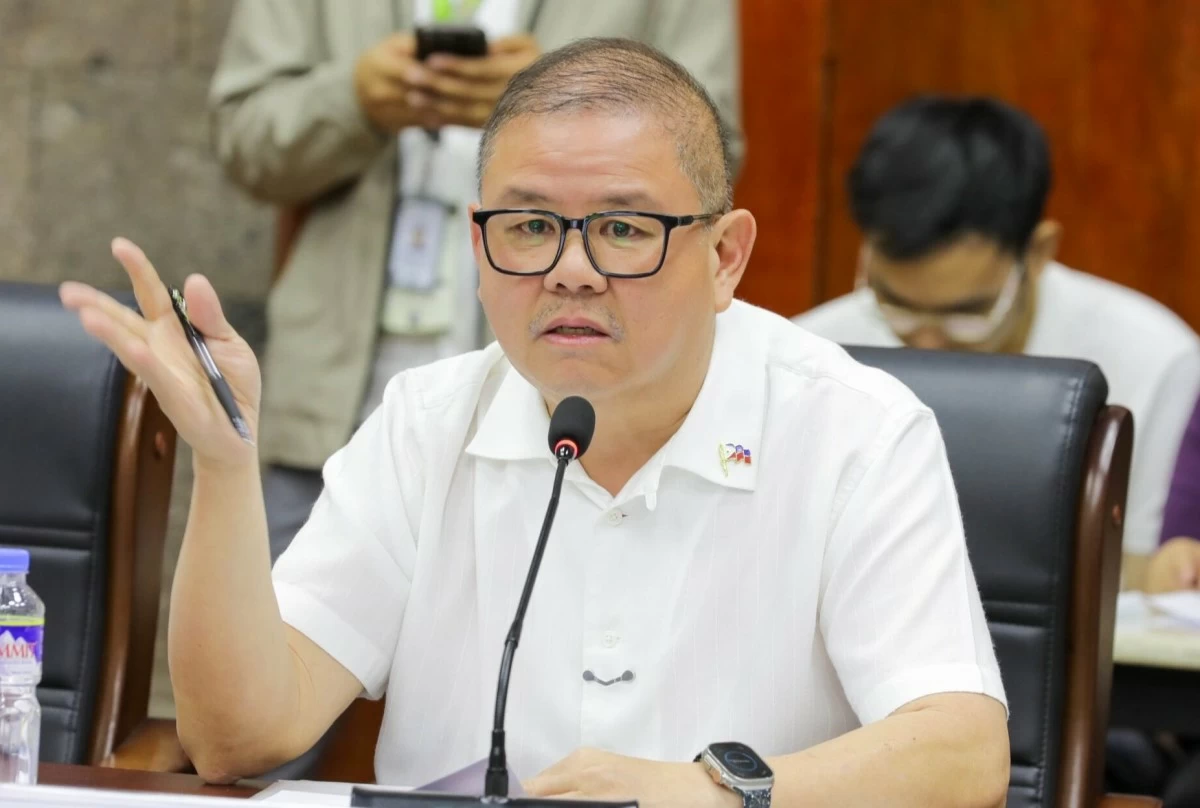
Agriculture Secretary Francisco Tiu Laurel (DA photo)
The Department of Agriculture (DA) expects the country to make headway in its long-term food security agenda after the signing of the ₱6.79-trillion 2026 national budget for the year, which provides higher allocation for the agency.
President Ferdinand “Bongbong” Marcos Jr. signed on Monday, Jan. 5, the General Appropriations Act (GAA) for the year, which includes the ₱297.10 billion allocation for the agriculture sector.
The funding, which covers the DA and the Department of Agrarian Reform (DAR), is nearly 16 percent higher than the initial allocation of ₱256.5 billion under the National Expenditure Program (NEP).
Agriculture Secretary Francisco Tiu Laurel said his department will still have to review the GAA to determine the budget for the year, although he said it is indeed higher than last year’s.
“I haven’t seen the actual GAA in its entirety, so it’s difficult to comment on all the details. We’re happy that the budget has finally been released, but we still need to review what the final version entails,” he said.
Based on the bicameral conference committee report for the 2026 national budget—which is the final stage in the budget process before the President’s signature—the DA has been earmarked with ₱185.77 billion, up 19.4 percent from last year’s budget of ₱155.56 billion.
The DA said its improved outlay for the year is a consequence of the corruption scandal over flood control projects, as funds intended for these projects were redirected.
Specifically, the budget for farm-to-market road (FMR) development has been doubled to ₱33 billion. The DA will be responsible for building and monitoring these roads starting this year.
Additional allocations were provided to the Rice Competitiveness Enhancement Fund, amounting to ₱30 billion from the previous ₱10 billion, and the ₱20-billion Animal Competitiveness Enhancement Fund.
Tiu Laurel said such funding must translate into tangible benefits on the ground and be backed by proper scrutiny to ensure funds reach farmers, fisherfolk, and other stakeholders across the value chain.
If realized, he said, this is a major step towards fulfilling the country’s goal of achieving food security by enhancing productivity, reducing losses, and stabilizing supply.
“The 2026 budget is expected to help the sector withstand climate risks, market volatility, and supply disruptions while supporting a more competitive and sustainable Philippine agriculture,” said Tiu Laurel.
Moreover, the secretary said postharvest support would be prioritized in the budget to curb losses caused by insufficient storage and logistics.
He added that investments in more infrastructure programs, such as irrigation systems, storage, and cold chain facilities, are crucial to raising farmer incomes while keeping consumer prices stable.