







Sustaining and building on the gains of peace in 2026
Published Jan 5, 2026 12:05 am
|
Updated Jan 4, 2026 04:11 pm


PEACE BY PEACE
Our peacebuilding work cannot be measured solely by what we accomplish within a single year. It is also determined by the manner in which we sustain and build on the gains we have achieved in the succeeding years.
As we step forward into 2026, this belief guides our work at the Office of the Presidential Adviser on Peace, Reconciliation, and Unity (OPAPRU) and shapes our collective vision as a nation.
The year 2025 was challenging. Yet, the previous year was also an affirmation that the comprehensive Philippine peace process has reached a high level of maturity and resilience that allows it to forge ahead amidst occasions of uncertainty.
Looking ahead, we must view 2026 as a continuation of what we had started. The progress we achieved last year laid a strong foundation. And the only way to keep it stronger is to continue building upon it.
Every program that we implement, every community that we serve, and every former combatant that we support must be translated into better living conditions, more economic opportunities, and increased trust in the national government.
This is the mindset that we in the OPAPRU have adopted as we continue to carry out our work in the Bangsamoro Autonomous Region in Muslim Mindanao (BARMM). We have not lost our hope that the Bangsamoro Transition Authority will enact a redistricting law to push through with the elections in the Bangsamoro region.
The upcoming elections are not just a political milestone for the Bangsamoro people. More than anything else, it is a test of whether the peace initiatives we have put in place can be fully institutionalized through democratic governance.
To succeed, we must protect the gains achieved during the transition period through strengthened institutions, improved delivery of essential services, and growing public confidence.
The national government remains committed to supporting the Bangsamoro Government as we jointly fulfill our commitments under the Comprehensive Agreement on the Bangsamoro (CAB) and bring the dividends of peace to communities.
Sustaining peace in the Bangsamoro also means accelerating the implementation of the Normalization Program for former MILF combatants, their families, and communities. We cannot afford to slow down.
We must prioritize the provision of education assistance, livelihood support, weapons management, and the dismantling of private armed groups. All of these must be seen as long-term investments in peace, development, and security.
But for these efforts to gain traction and have greater impact, they require continuity, more resources, and most of all, stronger partnerships with local governments, who are at the frontlines of peacebuilding.
This is the same principle that we are applying across all our peace tables.
With the Moro National Liberation Front (MNLF), we must translate the validation and profiling process under the MNLF Transformation Program into economic security and sustainable livelihoods for the combatants, as well as their families and communities.
For members of the Cordillera Bodong Administration-Cordillera People’s Liberation Army (CBA-CPLA) and among Kapatiran, we must focus on supporting the full reintegration of former combatants as productive members and leaders of their communities.
Our engagement with former members of the communist group likewise demands sustained focus. Through our Localized Peace Engagements and the Transformation Program, we must accelerate LGU-driven initiatives.
In 2026, we must expand and institutionalize these efforts, particularly by strengthening Peace and Development Centers, ensuring the success of Transformation Program plans, and reinforcing the role of local governments as peace partners.
Peace, however, cannot be sustained by the government alone.
Looking ahead, one of our most important tasks is to deepen collaboration with civil society, the religious sector, academe, women, youth, and Indigenous Peoples. Peace must be taught, nurtured, and protected across all sectors and generations.
The mainstreaming of peace education across the country’s academic curriculum as strengthening institutional partnership through the Philippine Peace Institute (PPI) are crucial in embedding peacebuilding principles into policy, research, and public discourse. OPAPRU will continue to strengthen the advancement and localization of women, peace, and security initiatives and programs.
Equally vital is the continued implementation of our Payapa at Masaganang Pamayanan (PAMANA) and Social Healing and Peacebuilding (SHAPE) Programs in addressing the needs of conflict-affected areas and repairing the torn social fabric of communities.
Infrastructure rebuilds communities, but it is social healing that rebuilds trust among the people. As we move forward, our development interventions must remain conflict-sensitive, inclusive, and aligned with realities on the ground.
The road ahead will not be without challenges. Political transitions, resource constraints, and situations of conflict will not only test our resolve to forge ahead but also gauge our capacity to adapt, innovate, and improve.
Our shared experiences in 2025 showed us that when stakeholders work together — national line agencies, LGUs, civil society, religious community, and the security sector — we are capable of overcoming obstacles and emerge stronger in the process.
I, therefore, urge all our peace partners and stakeholders to remain engaged, committed, and united. Together, let us sustain the gains of peace and continue building a more peaceful, inclusive, and progressive Bagong Pilipinas.
On behalf of the men and women of the OPAPRU, a happy and prosperous New Year to all!
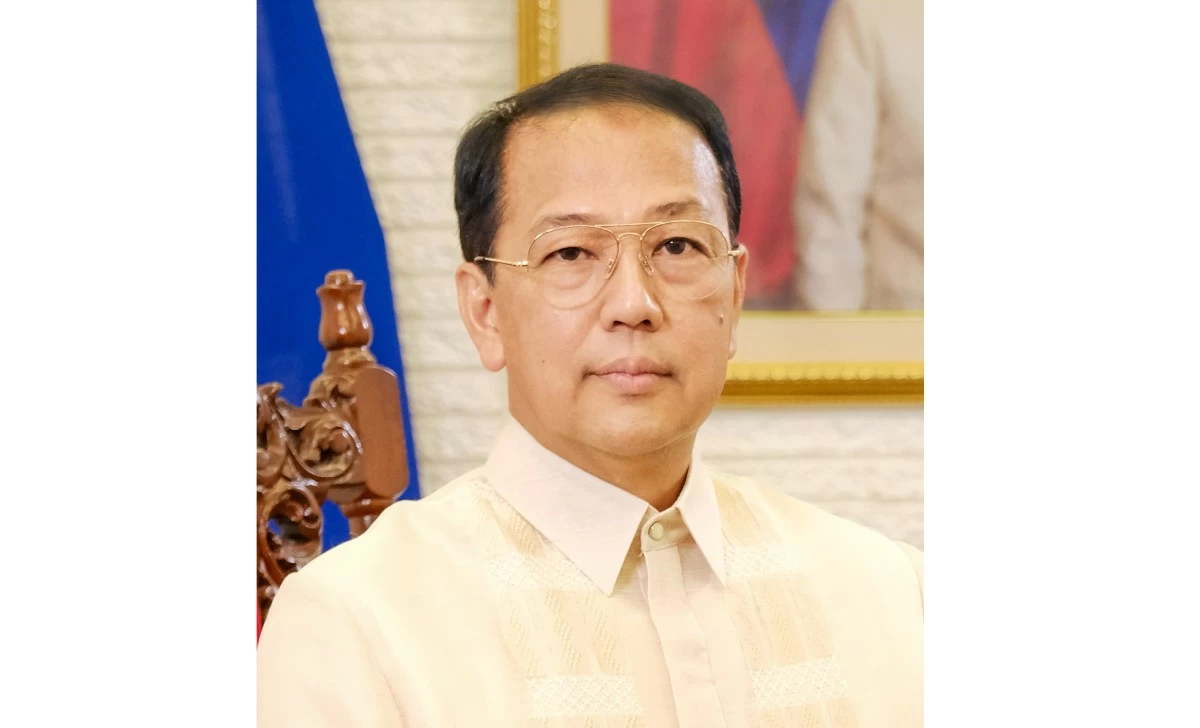
(Secretary Carlito G. Galvez, Jr. is the presidential adviser on peace, reconciliation and unity.)