






Manila Bulletin
 Business
The Economy
Gov't slashes 2026 standby funds to lowest level since 2019—DBM
Business
The Economy
Gov't slashes 2026 standby funds to lowest level since 2019—DBM
Business
The Economy
Gov't slashes 2026 standby funds to lowest level since 2019—DBM
Gov't slashes 2026 standby funds to lowest level since 2019—DBM
Published Jan 5, 2026 12:51 pm
|
Updated Jan 5, 2026 02:45 pm


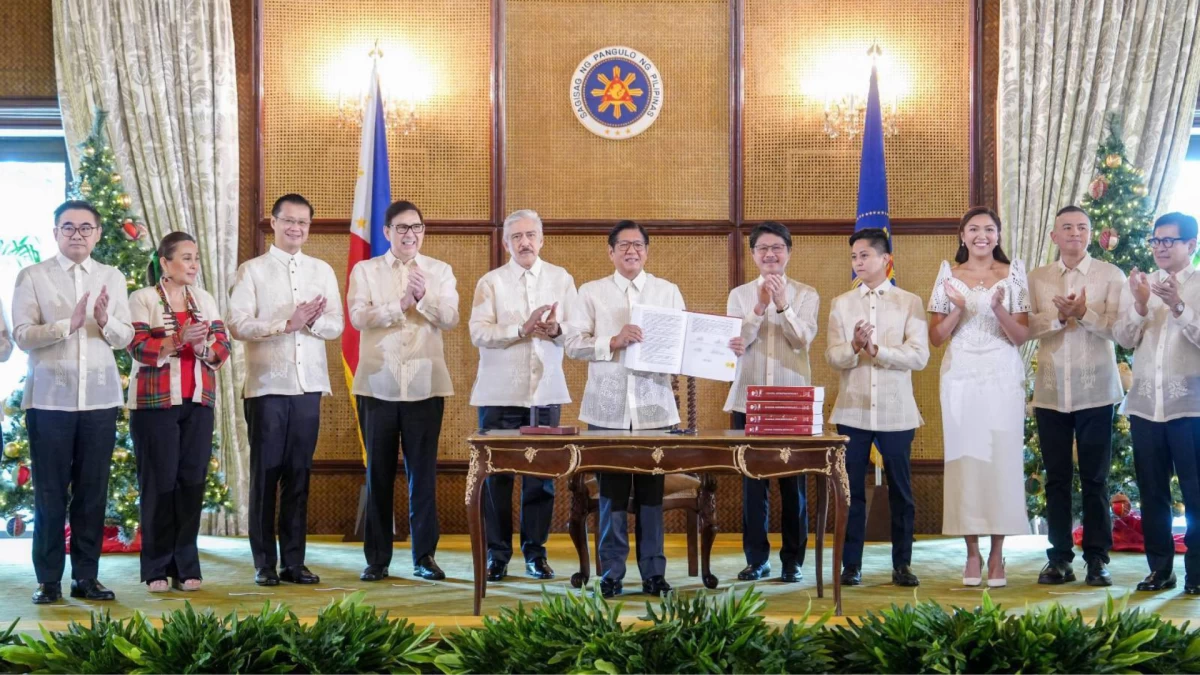
Signaling a shift toward tighter fiscal discipline and prudent fund management, the national government has slashed unprogrammed appropriations (UA) in the fiscal year 2026 national budget to ₱150.9 billion.
This level marks the lowest level for standby funds since 2019, falling even below pre-pandemic figures.
According to the Department of Budget and Management (DBM), the substantial reduction is part of a deliberate strategy to prevent abuse and ensure transparency. UAs are standby spending authorities that can only be used if specific conditions are met, such as revenue collections exceeding targets or the securing of new loans.
DBM Secretary Rolly Toledo clarified that UAs are not improper, emphasizing that these funds serve as standby resources that can only be released when legal conditions are met, and after strict compliance with rules and validation.
“We are not removing the UA. We are cleaning it up and preventing its abuse. In this way, the people’s money and the trust of the Filipino public are protected,” Toledo said.
Allocations for 2026 UAs were slashed from a peak of ₱807.2 billion in 2023. This marks a massive decline compared with previous years. Over the past seven years, UA allocations have fluctuated, ranging from ₱176.3 billion in 2021 to ₱731.4 billion in 2024, before falling to the current level.
President Ferdinand Marcos Jr. vetoed several UA items, trimming allocations for government-owned or controlled corporation (GOCC) support, past local government unit (LGU) shares, personnel services, and government asset insurance to prevent misuse as a spending “shortcut.”
Toledo explained that although UA is only standby funding, Marcos Jr. vetoed some proposed uses to ensure it is not used as a backdoor for government spending.
Meanwhile, the government kept major allocations in the 2026 budget, including ₱50 billion for the revised Armed Forces of the Philippines (AFP) modernization program, and funding for foreign-assisted projects scheduled for completion this year.
Toledo dismissed claims that unprogrammed funds serve as discretionary “pork,” asserting that strict laws control their disbursement. “UA is not a blank check, not a pork barrel, and not a political fund. It is a safety net, not a shortcut,” he said.
Transparency, he said, remains the primary safeguard alongside fiscal discipline, ensuring that every release of UAs is fully documented, justified, and devoid of secrecy.
The budget chief also explained that routine government spending, such as salary increases for civilian and uniformed personnel, is covered by the regular budget and will not be impacted by the UA cut. (Derco Rosal)