







Electronic exports on track to hit $49 billion in 2025
Published Jan 5, 2026 12:00 am
|
Updated Jan 3, 2026 01:52 pm


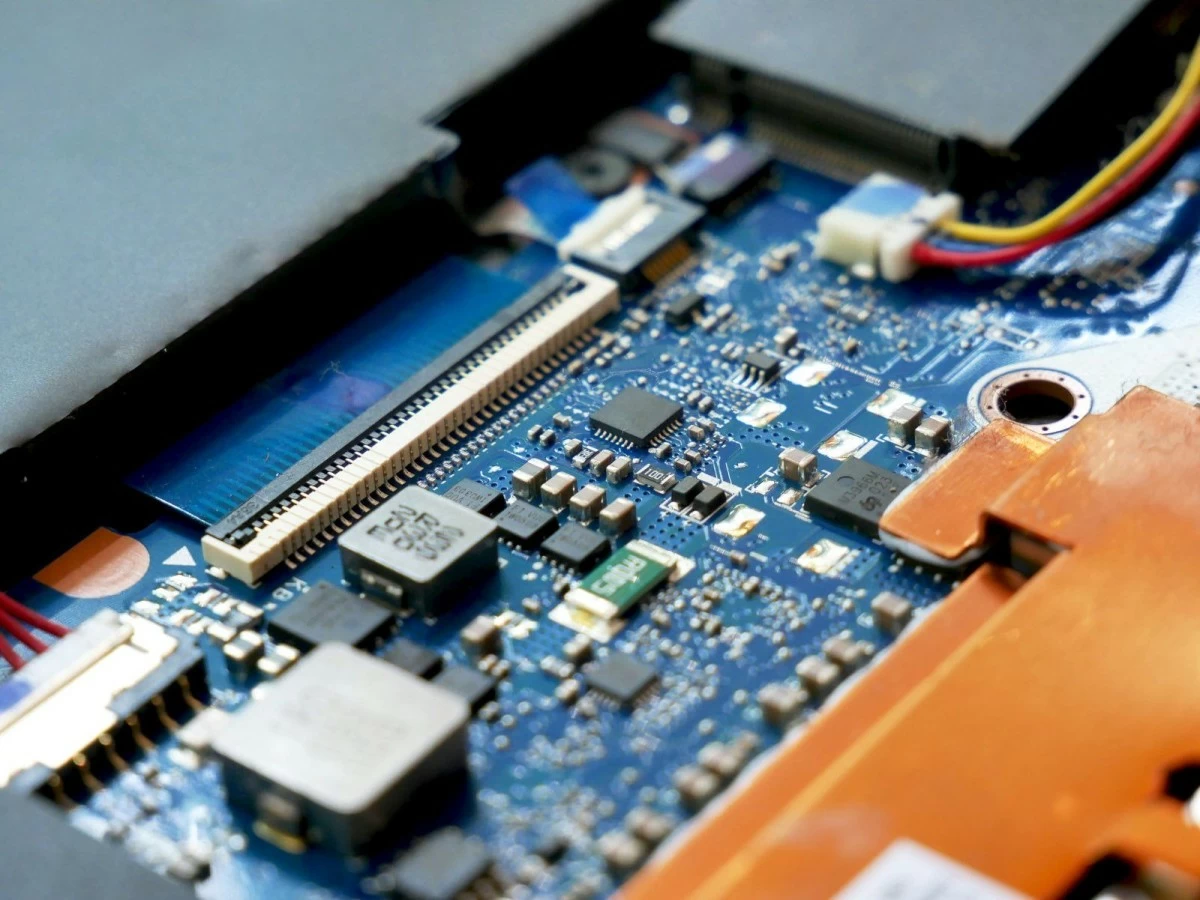
The country’s electronic exports are on track to hit $49 billion in 2025, reversing initial industry estimates of flat growth as demand for conventional and new technologies outweighs tariff uncertainties.
Semiconductor and Electronics Industries in the Philippines Foundation Inc. (SEIPI) president Danilo Lachica said exports are poised to increase by between 14 and 15 percent from $42.6 billion in 2024.
“We expect to reach anywhere between $48 [billion] to $49 billion,” Lachica said in a television interview last week.
If this is realized, electronic exports would flirt with the $49-billion level, which the country last reached in 2022 at $49.09 billion—the current record high.
This marks an impressive turnaround for the industry after SEIPI initially projected that exports would remain flat in 2025, largely due to uncertainties caused by the tariff policy of the United States (US).
The latest data from the Philippine Statistics Authority (PSA) showed that electronic products were the country’s top export from January to November 2025, with a combined value of $41.91 billion, up 15.5 percent from $36.28 billion during the same period in 2024.
Lachica said the growth in exports is being driven by demand for conventional technologies such as commercial industrial products and vehicles. He added that the popularity of modern technologies like artificial intelligence (AI) has also been influential.
This year, he said SEIPI is sticking to its conservative target of five-percent growth from 2025 export levels.
Lachica noted strong upside potential for further growth this year, as semiconductors and select electronic products continue to be shipped to the US without tariffs under Section 232 of the US Trade Expansion Act of 1962.
“But as everybody might know, or maybe didn’t know, the US is still reviewing that policy. At any given time, that may change. And so that’s what’s tempering our expectations and the forecast,” he said.
On top of this, there remain industry concerns about US President Donald Trump’s plans last year to impose tariffs on foreign-made semiconductors, which could go as high as 300 percent.
To ensure the industry’s competitiveness this year and beyond, Lachica stressed the need for the government to address the corruption scandal involving flood control projects to restore investor confidence in the country.
“The heavy work has to be done by the government, showing that we’re serious about the pursuit of these violators, of these corrupt officials,” Lachica said.
“Yes, we are seeing a lot of activities, but then again, where are the convictions? And I’m not talking about the small fries. I’m talking about the significant corrupt officials who availed of these ghost projects and rake in a lot of money. And so I think that’s what investors are looking for,” he emphasized.
SEIPI is also seeking more government support to bridge gaps in the semiconductor supply chain, particularly for its proposal to build a wafer fabrication plant.
The group said it is critical for the country to have this “proof-of-concept” facility to eventually attract investors to manufacture high-value products.
“How can we attract investments if we don’t improve the investment environment, if we don’t have value propositions for the semiconductor industry?” Lachica underscored.
On the part of the government, it plans to spend ₱70 million to strengthen the talent pipeline for the electronics industry by upgrading classrooms and raising teaching standards to global levels.