






Manila Bulletin
 Business
The Stock Market
Cheaper oil, Venezuela's supply shift spark bargain hunting in local stocks
Business
The Stock Market
Cheaper oil, Venezuela's supply shift spark bargain hunting in local stocks
Business
The Stock Market
Cheaper oil, Venezuela's supply shift spark bargain hunting in local stocks
Cheaper oil, Venezuela's supply shift spark bargain hunting in local stocks
Published Jan 5, 2026 04:58 pm


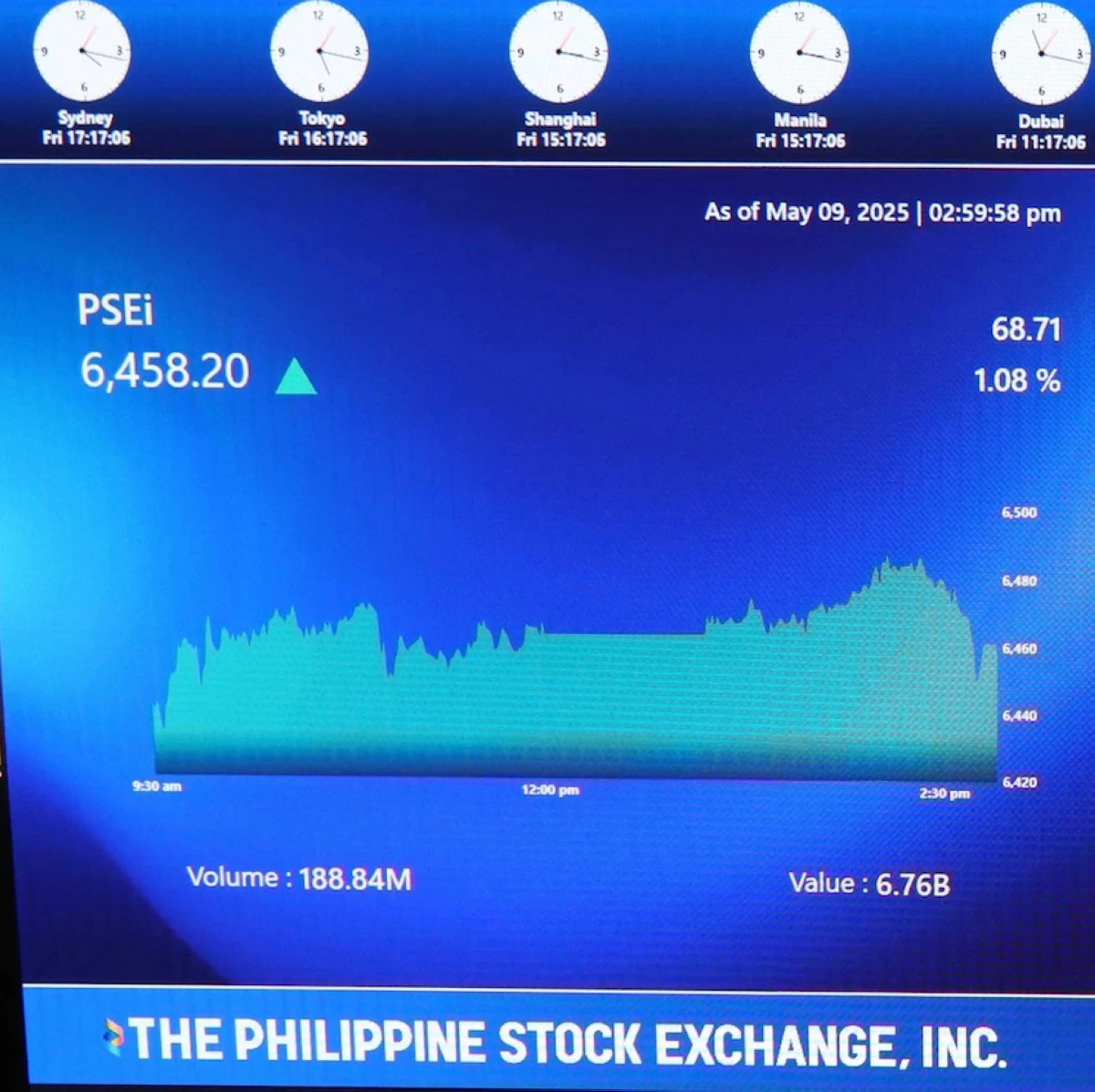
Philippine stocks extended their New Year rally for a second session as investors placed bets on a cooling inflation print and welcomed a retreat in global crude prices.
The Philippine Stock Exchange index (PSEi) advanced 29.47 points, or 0.48 percent, to finish at 6,164.53 on Monday, Jan. 5.
While the benchmark navigated a mixed session that saw property and conglomerate shares falter, the broader market sentiment remained upbeat. Mining companies anchored the day’s gains, tracking a move higher in gold prices as haven demand supported the precious metal.
Trading activity showed signs of life following the holiday lull, with 948 million shares changing hands. While the value turnover of ₱5.74 billion remains below historical averages, market breadth was positive as 133 issues rose against 93 that fell, while 51 remained unchanged.
Market participants are largely focused on upcoming Consumer Price Index data, with a consensus building that price pressures continued to ease through the end of the year.
Luis Limlingan, managing director at Regina Capital Development Corp., noted that buying pressure persisted even as the peso faced renewed weakness against the United States dollar.
The local currency’s depreciation typically acts as a headwind for domestic equities, but the prospect of a benign inflation environment appeared to offset concerns regarding foreign exchange volatility.
Japhet Tantiangco, research manager at Philstocks Financial, attributed the climb to sustained bargain hunting.
He noted that the drop in oil prices provided a psychological boost to the import-dependent economy.
Global crude benchmarks fell following shifts in US foreign policy toward Venezuela, a move that analysts expect could ease supply constraints. Lower energy costs are viewed as a critical catalyst for the Philippine market, as they directly impact both corporate margins and consumer spending power.
Despite the back-to-back gains, the index remains in a consolidatory phase as it tests technical resistance levels. The recovery in turnover suggests that institutional players are gradually returning to the fray, though many stay cautious ahead of official government data releases.
Investors are now looking toward the Bangko Sentral ng Pilipinas for cues on whether the cooling inflation trend will provide the central bank with enough room to pivot toward a more accommodative monetary stance later this year.