ADVERTISEMENT

BPI eyes at least ₱5 billion from 2nd tranche of social bonds

Published Jan 5, 2026 03:40 pm
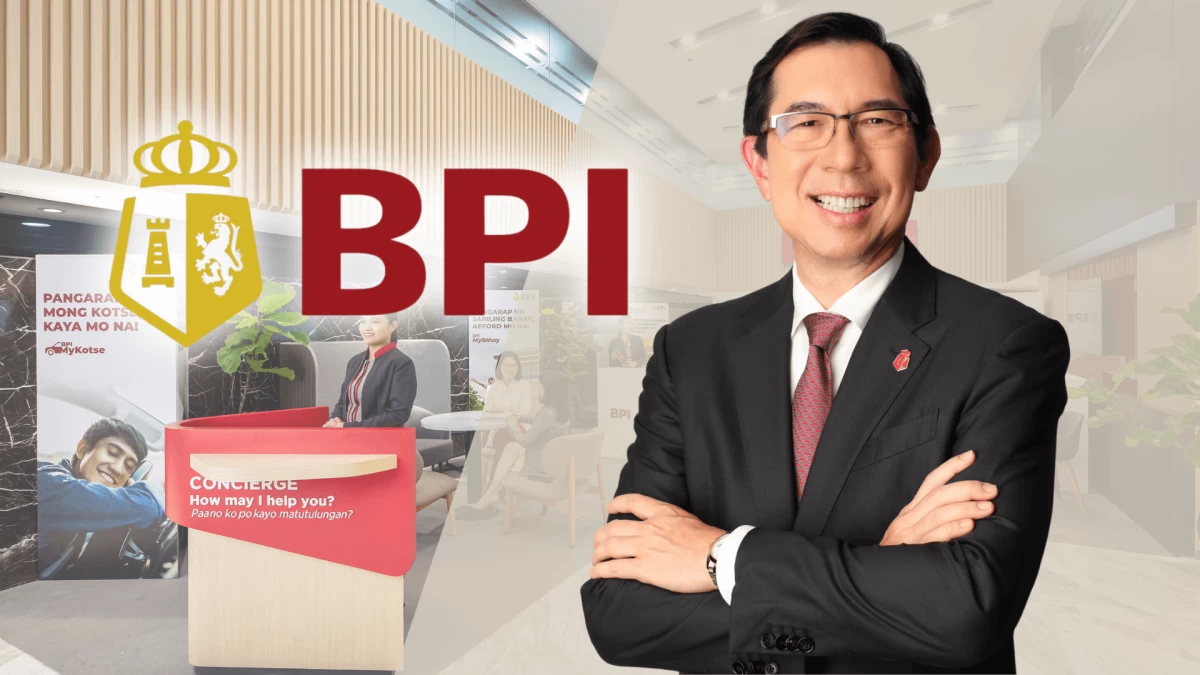
Bank of the Philippine Islands (BPI) is seeking to raise at least ₱5 billion through the issuance of social bonds to fund projects aimed at community development and economic empowerment.
In a disclosure to the Philippine Stock Exchange on Monday, Jan. 5, the Zobel-led lender said it will offer two-year, fixed-rate instruments branded as “BPI SIGLA Bonds” due 2028. The bank retained the option to upsize the offer size depending on investor demand.
The transaction marks the second tranche of BPI’s ₱200 billion bond and commercial paper program, which received board approval in October 2024.
The Securities and Exchange Commission affirmed the “ASEAN Social Bond” label for the issuance on Dec. 18, 2025.
Under the regional standards, proceeds from such instruments must be exclusively directed toward projects that provide clear social benefits, such as those supporting basic infrastructure, affordable housing, or food security.
BPI plans to deploy the net proceeds to finance or refinance eligible social projects under its Sustainable Funding Framework. The public offer period is scheduled to run from Jan. 26 to Feb. 4, with the listing on the Philippine Dealing & Exchange Corp. slated for Feb. 13.
BPI Capital Corp. and the Manila branch of ING Bank N.V. are serving as the joint lead arrangers and selling agents.
The lender is looking to replicate the success of its previous foray into the sustainable debt market. In May 2025, BPI raised ₱40 billion through its “BPI SINAG Bonds,” an amount that was eight times the initial target of ₱5 billion.
That issuance, which carried the ASEAN Sustainability Bond classification, was the first tranche under the current ₱200 billion program.
BPI Treasurer and Head of Global Markets Dino Gasmen said the previous “enthusiastic response” to the bank's sustainable debt reflects a shifting preference among institutional and retail investors toward environmental and social governance.
He noted that the bank views these issuances as a mechanism to align capital markets with community-focused initiatives.
The Philippine banking sector has seen an uptick in thematic bond issuances as lenders seek to diversify their funding sources while meeting increasing regulatory and investor pressure for sustainable finance.
By utilizing the ASEAN-labeled framework, BPI provides investors with independent verification that the funds will be managed according to regional transparency standards.

Related Tags

Bank of the Philippine Islands
ADVERTISEMENT
.most-popular .layout-ratio{ padding-bottom: 79.13%; } @media (min-width: 768px) and (max-width: 1024px) { .widget-title { font-size: 15px !important; } }

{{ articles_filter_1561_widget.title }}

.most-popular .layout-ratio{ padding-bottom: 79.13%; } @media (min-width: 768px) and (max-width: 1024px) { .widget-title { font-size: 15px !important; } }

{{ articles_filter_1562_widget.title }}

.most-popular .layout-ratio{ padding-bottom: 79.13%; } @media (min-width: 768px) and (max-width: 1024px) { .widget-title { font-size: 15px !important; } }

{{ articles_filter_1563_widget.title }}

{{ articles_filter_1564_widget.title }}

.mb-article-details { position: relative; } .mb-article-details .article-body-preview, .mb-article-details .article-body-summary{ font-size: 17px; line-height: 30px; font-family: "Libre Caslon Text", serif; color: #000; } .mb-article-details .article-body-preview iframe , .mb-article-details .article-body-summary iframe{ width: 100%; margin: auto; } .read-more-background { background: linear-gradient(180deg, color(display-p3 1.000 1.000 1.000 / 0) 13.75%, color(display-p3 1.000 1.000 1.000 / 0.8) 30.79%, color(display-p3 1.000 1.000 1.000) 72.5%); position: absolute; height: 200px; width: 100%; bottom: 0; display: flex; justify-content: center; align-items: center; padding: 0; } .read-more-background a{ color: #000; } .read-more-btn { padding: 17px 45px; font-family: Inter; font-weight: 700; font-size: 18px; line-height: 16px; text-align: center; vertical-align: middle; border: 1px solid black; background-color: white; } .hidden { display: none; }
function initializeAllSwipers() { // Get all hidden inputs with cms_article_id document.querySelectorAll('[id^="cms_article_id_"]').forEach(function (input) { const cmsArticleId = input.value; const articleSelector = '#article-' + cmsArticleId + ' .body_images'; const swiperElement = document.querySelector(articleSelector); if (swiperElement && !swiperElement.classList.contains('swiper-initialized')) { new Swiper(articleSelector, { loop: true, pagination: false, navigation: { nextEl: '#article-' + cmsArticleId + ' .swiper-button-next', prevEl: '#article-' + cmsArticleId + ' .swiper-button-prev', }, }); } }); } setTimeout(initializeAllSwipers, 3000); const intersectionObserver = new IntersectionObserver( (entries) => { entries.forEach((entry) => { if (entry.isIntersecting) { const newUrl = entry.target.getAttribute("data-url"); if (newUrl) { history.pushState(null, null, newUrl); let article = entry.target; // Extract metadata const author = article.querySelector('.author-section').textContent.replace('By', '').trim(); const section = article.querySelector('.section-info ').textContent.replace(' ', ' '); const title = article.querySelector('.article-title h1').textContent; // Parse URL for Chartbeat path format const parsedUrl = new URL(newUrl, window.location.origin); const cleanUrl = parsedUrl.host + parsedUrl.pathname; // Update Chartbeat configuration if (typeof window._sf_async_config !== 'undefined') { window._sf_async_config.path = cleanUrl; window._sf_async_config.sections = section; window._sf_async_config.authors = author; } // Track virtual page view with Chartbeat if (typeof pSUPERFLY !== 'undefined' && typeof pSUPERFLY.virtualPage === 'function') { try { pSUPERFLY.virtualPage({ path: cleanUrl, title: title, sections: section, authors: author }); } catch (error) { console.error('ping error', error); } } // Optional: Update document title if (title && title !== document.title) { document.title = title; } } } }); }, { threshold: 0.1 } ); function showArticleBody(button) { const article = button.closest("article"); const summary = article.querySelector(".article-body-summary"); const body = article.querySelector(".article-body-preview"); const readMoreSection = article.querySelector(".read-more-background"); // Hide summary and read-more section summary.style.display = "none"; readMoreSection.style.display = "none"; // Show the full article body body.classList.remove("hidden"); } document.addEventListener("DOMContentLoaded", () => { let loadCount = 0; // Track how many times articles are loaded const offset = [1, 2, 3, 4, 5, 6, 7, 8, 9, 10]; // Offset values const currentUrl = window.location.pathname.substring(1); let isLoading = false; // Prevent multiple calls if (!currentUrl) { console.log("Current URL is invalid."); return; } const sentinel = document.getElementById("load-more-sentinel"); if (!sentinel) { console.log("Sentinel element not found."); return; } function isSentinelVisible() { const rect = sentinel.getBoundingClientRect(); return ( rect.top < window.innerHeight && rect.bottom >= 0 ); } function onScroll() { if (isLoading) return; if (isSentinelVisible()) { if (loadCount >= offset.length) { console.log("Maximum load attempts reached."); window.removeEventListener("scroll", onScroll); return; } isLoading = true; const currentOffset = offset[loadCount]; window.loadMoreItems().then(() => { let article = document.querySelector('#widget_1690 > div:nth-last-of-type(2) article'); intersectionObserver.observe(article) loadCount++; }).catch(error => { console.error("Error loading more items:", error); }).finally(() => { isLoading = false; }); } } window.addEventListener("scroll", onScroll); });

Sign up by email to receive news.