






 Technews
Australia's Under-16 Social Media Ban sparks debate: Is blocking kids enough? Will it work in the Philippines?
Technews
Australia's Under-16 Social Media Ban sparks debate: Is blocking kids enough? Will it work in the Philippines?
Australia's Under-16 Social Media Ban sparks debate: Is blocking kids enough? Will it work in the Philippines?
By Yanro Ferrer


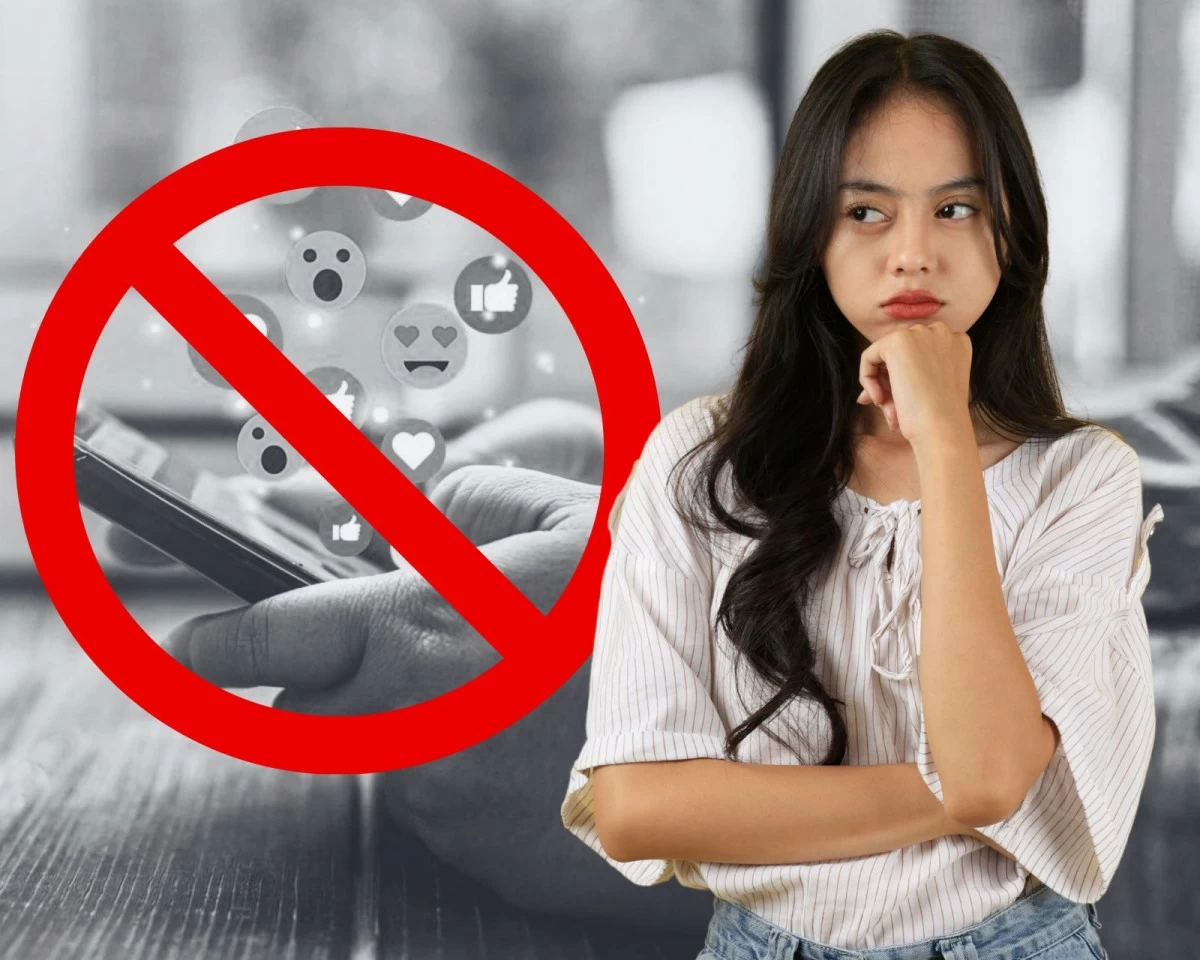
Australia’s landmark decision to bar users under 16 from accessing social media is already echoing across borders. In a region where young people live large portions of their lives online, governments are watching closely, wondering whether this bold move is an overdue safeguard or a policy sledgehammer aimed at a problem that needs finer tools.
The Philippines, with its famously hyper-connected youth, is one of those countries now pressed to take a position. Filipino teenagers often juggle multiple platforms before they even reach junior high, blurring the line between social life, identity formation, and constant digital exposure. That reality raises difficult questions: can an age-based ban work here, and if so, what risks does it bring with it?
For CIBAC Partylist Rep. Eduardo "Bro. Eddie" Villanueva, Australia’s move highlights a growing moral urgency. He argues that stronger protections for minors are not only appropriate but necessary. “Protecting minors is a moral and national responsibility,” Villanueva said, pointing to the effects of unfiltered social media use on young people, including addiction, exposure to harmful content, exploitation, and identity confusion.
Villanueva believes enforcement is possible using existing infrastructure such as SIM registration and the national ID system, provided responsibility is shared among platforms, telecommunications companies, and government regulators. However, he also cautions against simplistic solutions. Restrictions, he noted, can backfire if they push minors into less regulated online spaces. Any ban, he stressed, must be paired with digital literacy programs, school involvement, and parental guidance to avoid leaving young users more vulnerable than before.
While lawmakers debate feasibility, recent international cases underscore why the issue refuses to stay theoretical.
In the United States, multiple families have filed lawsuits against Meta following the deaths of their teenage children, alleging that social media platforms failed to prevent sextortion scams that led to psychological distress and, ultimately, suicide. According to court filings, the teens were allegedly targeted through platforms like Instagram, coerced into sharing explicit images, and then threatened with exposure unless they paid money. Despite repeated reports, the families claim platforms failed to intervene in time.
These cases have reignited global scrutiny over how social media companies detect, respond to, and prevent online exploitation, particularly when minors are involved. For policymakers watching Australia’s ban unfold, the lawsuits serve as a grim reminder that online harm is not hypothetical, and that platform design, moderation failures, and delayed responses can carry irreversible consequences.
Still, not everyone is convinced that age-based bans strike at the heart of the problem.
The problem is bigger than kids, says tech ethics expert
For Carljoe Javier, Executive Director of Data and AI Ethics PH, focusing too narrowly on minors risks missing the broader structural dangers embedded in today’s digital platforms. “Platforms pose a threat not just to the young, but to the whole of society,” he said.
Javier argues that algorithm-driven systems prioritize engagement over safety, amplifying harmful or sensational content while suppressing legitimate information. Misinformation spreads faster than ever, moderation is inconsistent, and platforms often fail to enforce their own rules. These issues, he noted, affect users of all ages, not just children.
“We’re operating in a world where media and information come at us at such high volume that it’s hard to know what’s true,” Javier said. In this environment, he warns, age-based bans risk becoming symbolic gestures that shift responsibility onto individuals while leaving platform practices largely untouched.
While Javier supports media and AI literacy initiatives, he cautions against treating them as cure-alls. Literacy assumes that platforms act in good faith, he said, when evidence increasingly suggests otherwise. “We should take a broad view. It isn’t just about keeping children off platforms until they are a certain age.”
Instead, Javier calls for a shift in accountability. Platforms, he argues, should be subject to stronger transparency requirements, clearer standards of behavior, and meaningful enforcement mechanisms. Without systemic reform, he warned, bans may function more as political signals than effective safeguards.
A regional ripple with uncertain consequences
Australia’s ban is being closely watched across Southeast Asia, where governments face similar concerns over online harm, misinformation, and youth vulnerability. Villanueva believes the move will influence regional policy discussions, especially as countries grapple with how to protect minors without eroding privacy or access to information.
But the deeper question remains unresolved: is restricting access enough in an ecosystem designed to maximize attention and engagement?
For now, the Philippines stands at a familiar crossroads. The urgency to protect minors is widely shared, but experts warn that without confronting platform accountability, enforcement gaps, and systemic incentives, age-based bans may only skim the surface.
Australia has thrown a bold idea into the global policy arena. Whether it becomes a model for meaningful reform or a cautionary tale will depend on whether governments are willing to look beyond age limits and confront the architecture of the digital world itself.