






Manila Bulletin
 Philippines
National
Herrera says solons don't win votes from providing medical assistance
Philippines
National
Herrera says solons don't win votes from providing medical assistance
Philippines
National
Herrera says solons don't win votes from providing medical assistance
Herrera says solons don't win votes from providing medical assistance
Published Jan 3, 2026 02:13 pm


At A Glance
- The removal of lawmakers' participation from the delivery of medical assistance will only endanger patients and widen gaps in health care access if the system in private hospitals isn't fixed first.
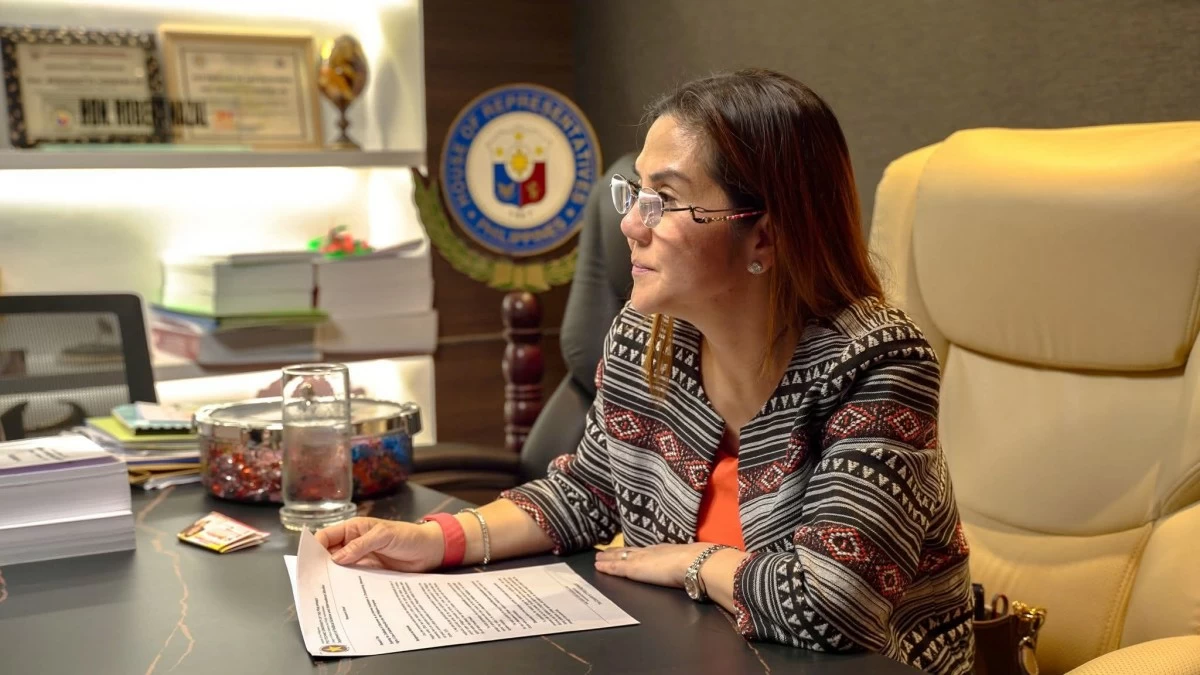
Former Bagong Henerasyon (BH) Party-list Rep. Bernadette Herrera (Facebook)
The removal of lawmakers' participation from the delivery of medical assistance will only endanger patients and widen gaps in health care access if the system in private hospitals isn't fixed first.
Former Bagong Henerasyon (BH) Party-list congresswoman Bernadette Herrera gave this warning on Saturday, Jan. 3 as she cited the dire situation in private hospitals where patients face massive bills without a social services office, a Malasakit-type center, or clear guidance on how to access government aid.
“In government hospitals, may social services at may sistema. Sa private hospitals, billing section lang ang kausap ng pasyente. Kapag wala kang gabay, lalo kang lulubog (In government hospitals, there are social services and a system. In private hospitals, the patient only deals with the billing section. If you have no guidance, you will sink even deeper),” Herrera noted.
She also made clear that BH does not defend patronage politics, and stressed that the distribution of medical assistance through lawmakers is far from perfect or fair. Solon's office's usually issue so-called guarantee letters (GLs) to indigent patients.
However, Herrera said removing such assistance completely without a working alternative would leave patients with nothing.
”Ayaw din namin sa patronage politics. Hindi rin naman talaga patas ang distribution. Pero mas mabuti na ‘yun kaysa wala kang maitulong sa tao (We also do not want patronage politics. The distribution is not really fair either. But that is still better than not being able to help people at all),” Herrera said.
She rejected the notion that medical assistance is a tool for political gain, noting that patients seek help wherever they can find it.
”Hindi ka rin naman nakakakuha ng boto rito. Ang mga tao lalapit sa iba’t ibang party-list at iba’t ibang kongresista. Kahit ako, humihingi rin ng tulong sa ibang party-list at senador—basta mapababa lang ang bill ng pasyente,” she said.
(You also do not really get votes from this. People approach different party-lists and different congressmen. Even I ask for help from other party-lists and senators—so long as the patient’s bill can be reduced. )
Without trained social workers at private hospitals, patients are forced to navigate life-and-death decisions on their own, the ex-solon said.
Herrera said BH Party-list pushed legislation requiring social service units or Malasakit-style centers in private hospitals, particularly when public funds are funneled to them.
Lawmakers often become a last resort for patients because they are accessible and can help connect patients to available programs, she explained.
Even that support, she said, is strained when private hospital costs soar far beyond what limited assistance can cover.
She cited cases where professional fees alone reached seven figures, including a child who died after open-heart surgery.
“Sino ang magdedesisyon kung magkano ang sasagutin kung walang social services sa private hospital? (Who will decide how much will be covered if there are no social services in private hospitals?)” she asked.
Herrera also recalled periods when lawmakers had no medical assistance funds to draw from, leaving patients in private hospitals stranded.
According to her, appeals to the Department of Health (DOH) often failed due to the lack of a clear mechanism or accessible office for private-hospital cases.
“Kulang ang gamit, kulang ang gamot, kulang ang pasilidad sa government hospitals (There is a lack of equipment, a lack of medicine, and a lack of facilities in government hospitals),” Herrera said.
“Kapag ipinilit mo roon ang pasyente, mamamatay siya. Kaya napupunta sila sa private hospitals—at doon sila nawawalan ng gabay (If you force the patient there, they will die. That is why they end up in private hospitals—and there they lose guidance)."