







Robbie Santos embraces the detour with 'Plan B'
The Septième Rebelle designer turns life's setbacks, faith, and flexibility into a deeply personal runway statement
Published Jan 2, 2026 09:41 pm


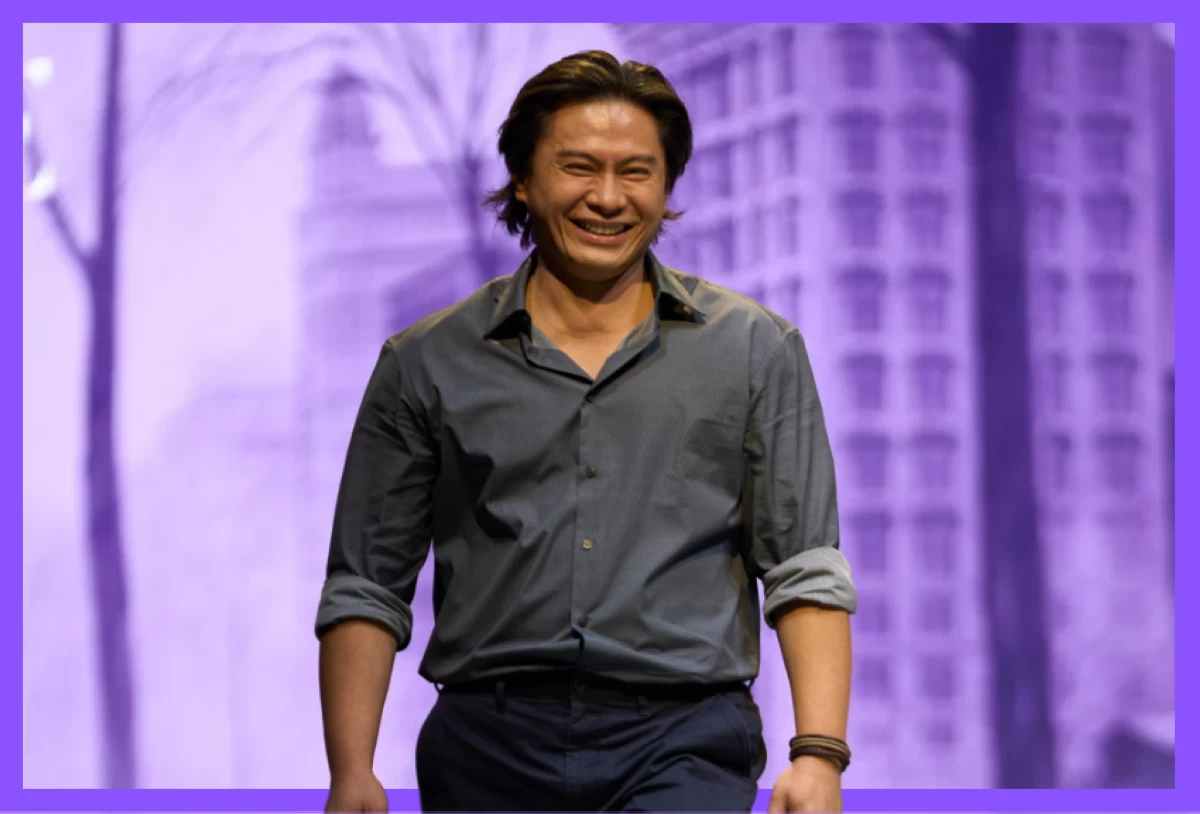
The path of life is rarely straight or smooth, and Filipino fashion designer Robbie Santos knows this well. In his latest collection, “Plan B,” the creative force behind Septième Rebelle transforms the challenges that often unfold behind the scenes into a compelling body of work. Presented last October at the Marriott Grand Ballroom, the show turned the venue into a space for reflection as much as spectacle. Rather than reacting to trends, “Plan B” emerged as a deeply personal statement on detours, faith, and the shifting realities of today’s fashion industry.
For Robbie, “Plan B” is both literal and philosophical. “You can’t really expect life to be a straight line,” he said. “There are twists, turns, and long detours.” That idea mirrors his own journey. Although formally trained in fashion at Istituto Marangoni in Paris, with further studies at Central Saint Martins and the London School of Fashion, Robbie spent 15 years in the academe before fully returning to design. The collection draws from that history, using New York as a symbolic backdrop for the dreams he once postponed and eventually reclaimed.
The collection
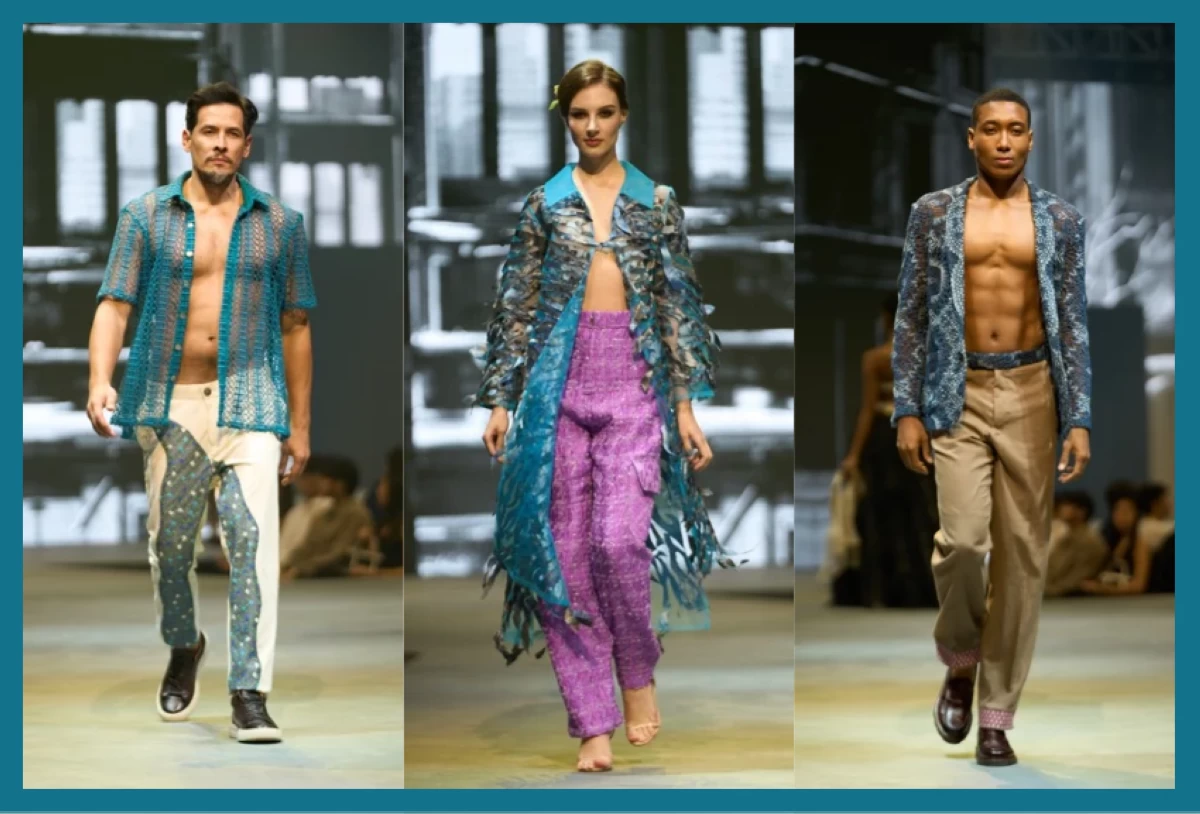
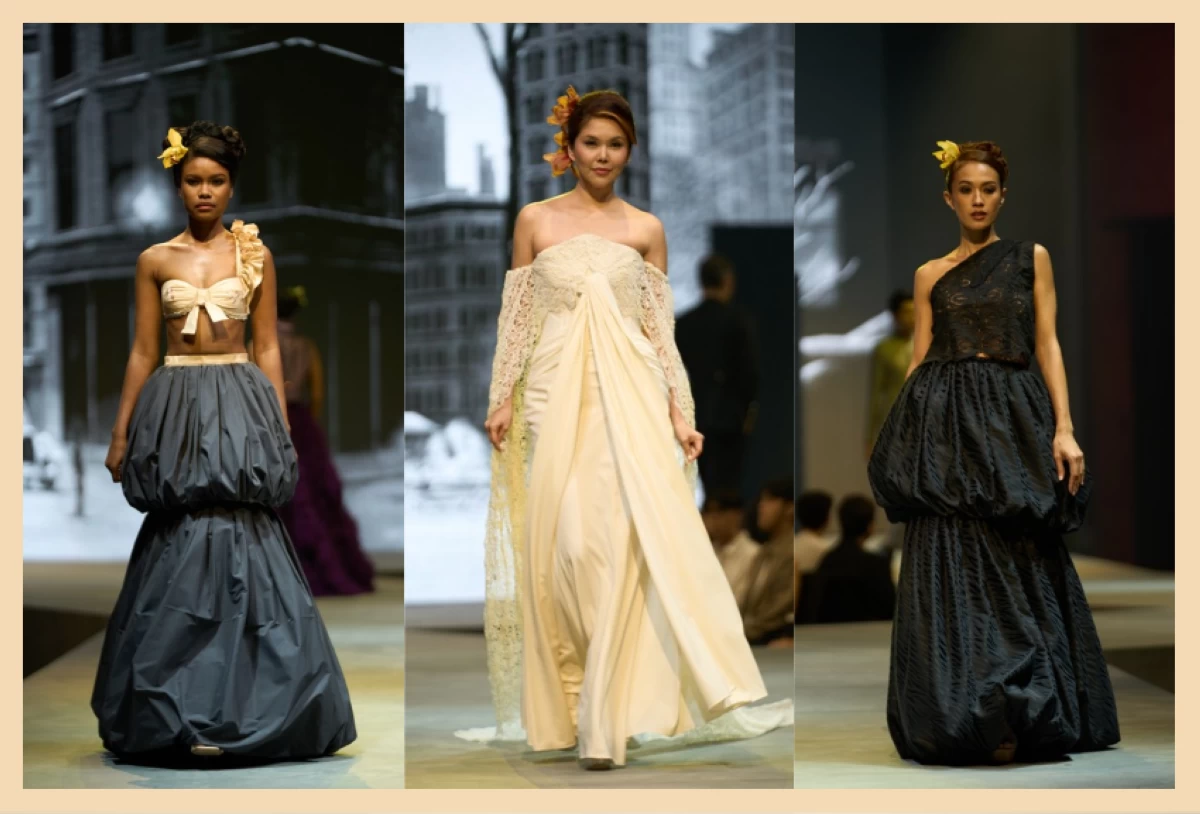
On the runway, “Plan B” translated into clothes that offered alternatives rather than prescriptions. Instead of insisting on traditional one-piece gowns for formalwear, he explored separates: embellished tops paired with skirts, pieces designed to be styled and restyled. It was a quiet challenge to rigid dress codes and an invitation to approach fashion with flexibility.
“I like the idea of having options,” he explained. “In fashion, just like in life, there should always be an alternative.”
Visually, the collection stayed true to the Septième Rebelle signature. Robbies’s fondness for cutouts and laser-cut details was evident, but always controlled. Skin was revealed thoughtfully, never gratuitously. Some looks were restrained from the front and playful at the back, reflecting his preference for contrast and surprise.
“I don’t want to present something too serious,” he said. “There should always be an element of fun.”
That balance of structure and play extended to the collection’s more symbolic elements. Religious medallions appeared across several looks, glinting subtly as models walked. For him, these were not decorative excesses but reminders. He sourced them from Quiapo and from travels abroad, including a visit to Guadalupe in Mexico. Though unblessed, by design, the medallions represented faith as a personal anchor rather than a religious statement.
“When things don’t go your way, your Plan B is to cling to your faith,” he said. The message resonated quietly, offering introspection rather than spectacle.
Behind the flashing lights
Behind the scenes, “Plan B” was also an exercise in adaptability. Robbie is known for producing large-scale shows, often presenting close to or over a hundred looks. The collection continued that tradition, despite the inevitable challenges of fittings and last-minute changes. His approach to design remains deeply individualized; clothes are created according to the wearer, not standardized templates.
That philosophy carries over into his view of the fashion industry today. As Philippine fashion experiences renewed momentum, with the return of major fashion weeks and increased attention on local designers, Robbie remains both hopeful and grounded.
“There’s room for everyone,” he told Manila Bulletin Lifestyle. “Each designer has a different voice. Some focus on avant-garde, some on denim, some on embroidered native elements. That diversity is what makes the industry exciting.”
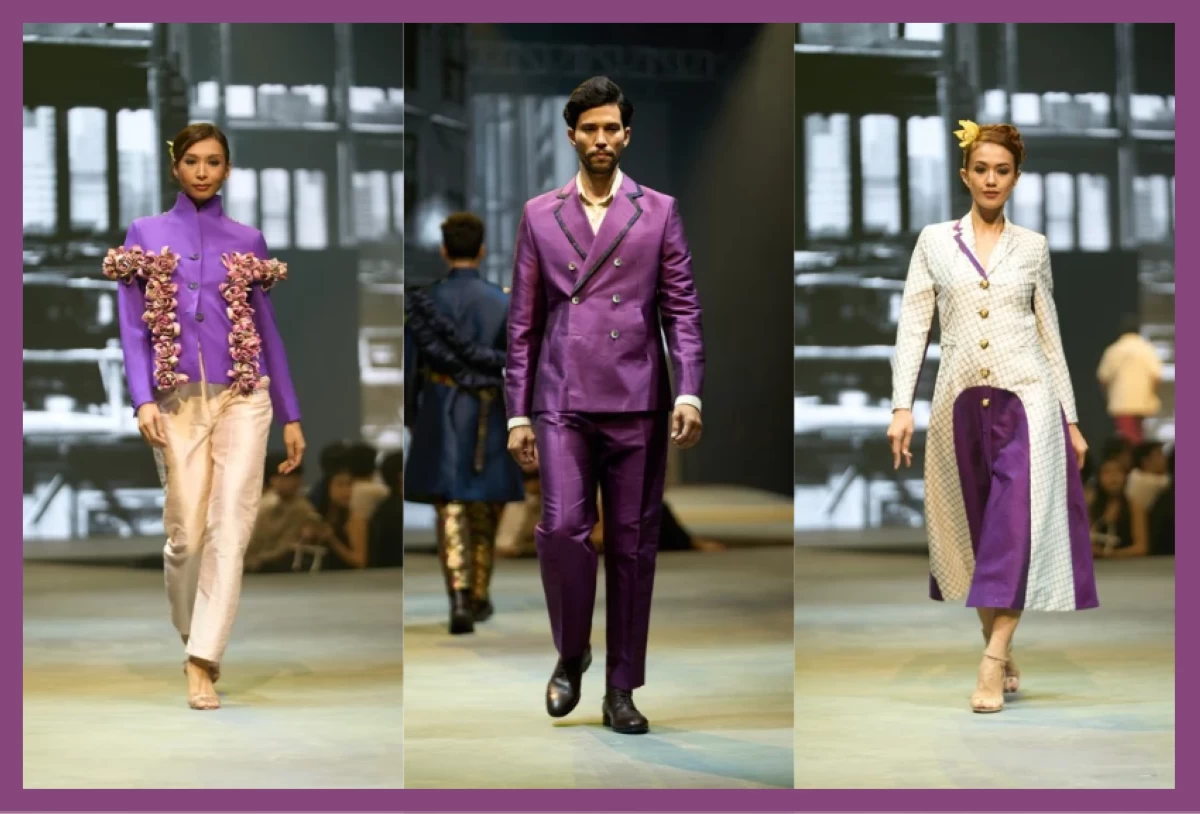
Rather than chasing trends, he prefers to stay rooted in his own aesthetic. Robbie openly admits he does not follow seasonal forecasts, even as he acknowledges what clients gravitate toward. What matters more to him is authenticity and longevity, creating clothes that feel personal and relevant beyond a single moment.
His openness to collaboration also reflects this mindset. While he has yet to formally join large-scale fashion weeks, he has participated in art-driven projects with institutions and artists, blurring the lines between fashion, art, and personal expression. For him, these intersections are where creativity thrives.
At its core, “Plan B” reaffirmed Robbie’s belief in fashion as a living, responsive practice. Each client, each request, each garment remains, in his words, “a dream come true,” especially after years spent away from design. That gratitude fuels his calm demeanor, even amid pre-show chaos.
In an industry often obsessed with immediacy and perfection, Robbie Santos offered something quieter but more enduring. “Plan B” was a reminder that fashion does not have to follow a straight path to be meaningful. Sometimes, it is the detours that define the work.