







Review: Toyota Zenix 2.0 Q HEV
Returning 16.2 km/l even on a bad day along EDSA
Published Jan 2, 2026 12:09 pm


At A Glance
- The Innova's shift from a plain multi-purpose vehicle (MPV) to an elegant people mover started silently some 10 years ago.
- The Zenix may still sport the 'Innova' badge at the rear, but except for a few design cues and the identical shape, it shares nothing else with a typical Innova.
- The Zenix is a Toyota stuffed with premium amenities, returns over 16-km/l (on average), and doesn't have a coding day.
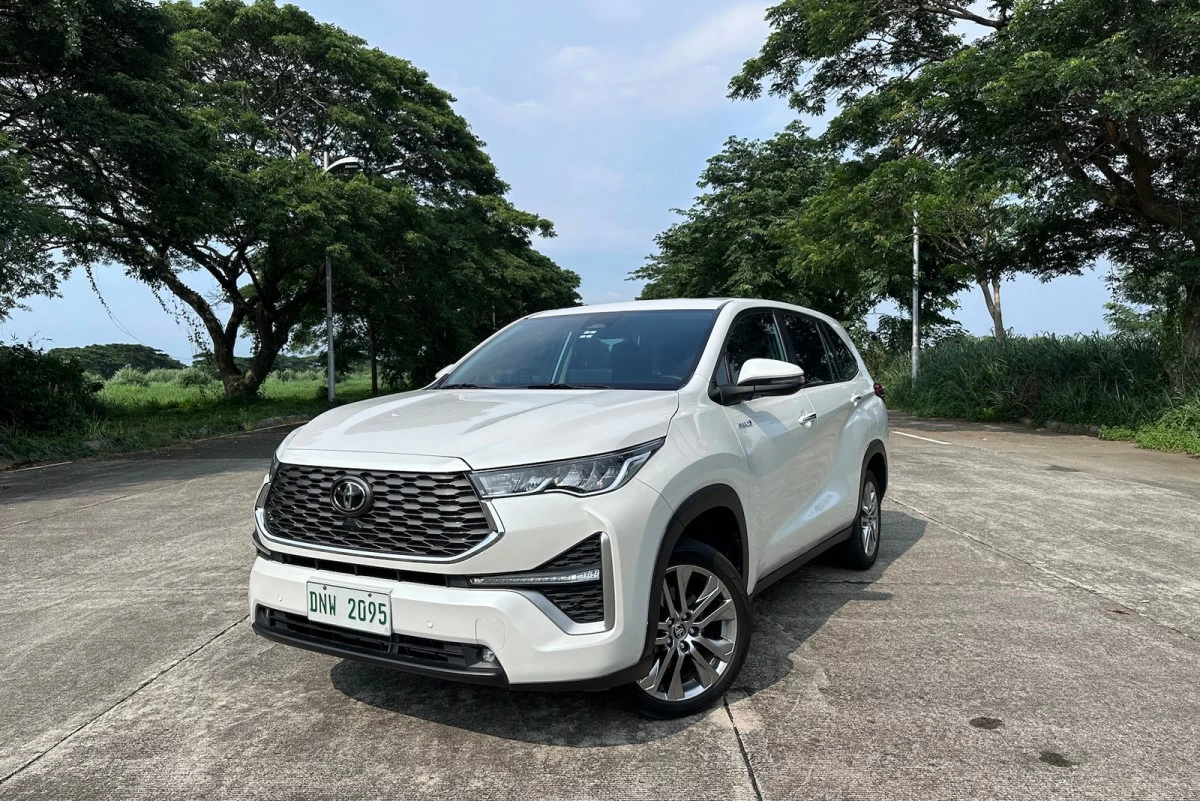
The Innova’s shift from a plain multi-purpose vehicle (MPV) to an elegant people mover started silently some 10 years ago when more and more Filipinos began choosing it (over crossover and sedans) as a roomier and chauffeur-driven mobility option. Its (not-so-high) ground clearance made getting in and out easy; but was also safer to be in during the rainy season, and the introduction of a gas engine made the ride smoother.
Evolutionary split
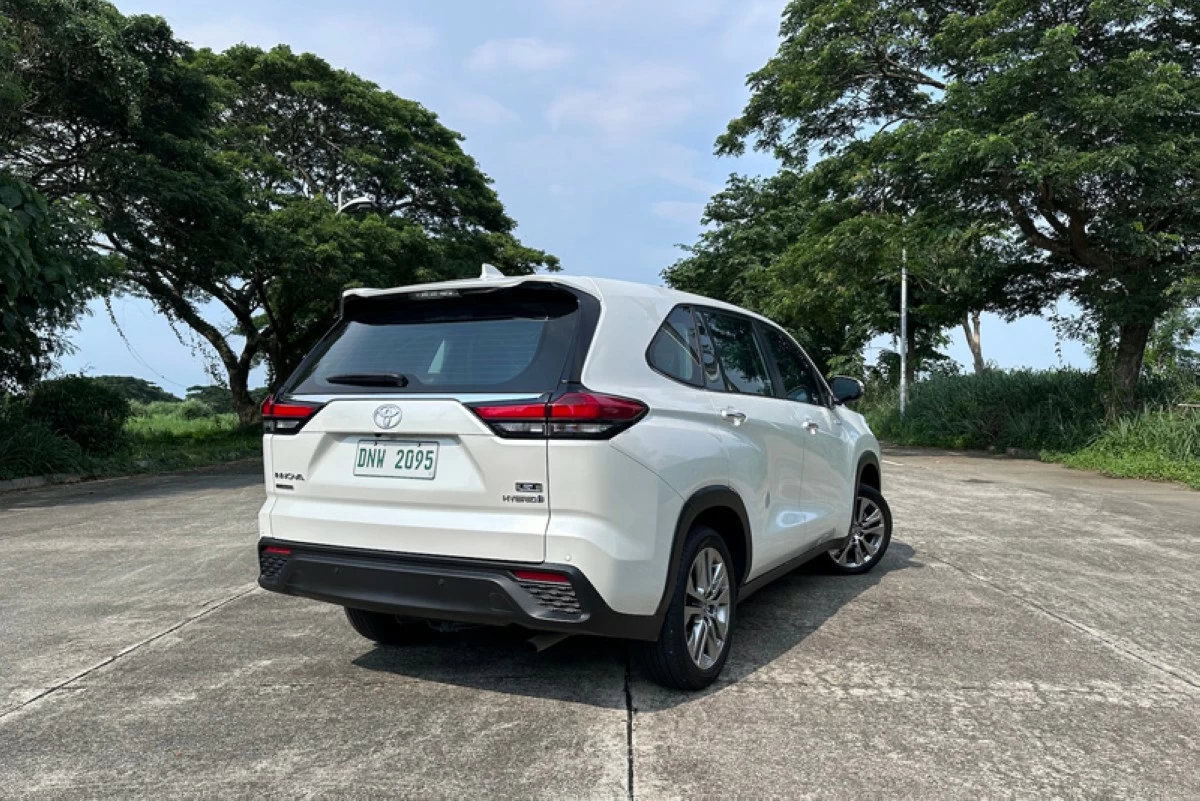
While the transition appears to be the normal evolutionary path for Toyota’s MPV, it actually isn’t. The Zenix may still sport the ‘Innova’ badge at the rear, although I assume it won’t be for long. This is because it is an all-new model, with an all-new platform, and a new powertrain (shared with several Toyota and Lexus models). Except for a few design cues and the identical shape, it shares nothing else with a typical Innova.
Although it may not appear so, the Zenix is 20mm longer and 20-mm wider than the Innova, and the Q grade features LED headlamps, daytime running lamps, and fog lamps. It also distinguishes itself from the base model with chrome plating on the door handles and belt moldings, overfenders, 18-inch wheels (the Innova has 17s), and a power tailgate.
Small exterior tweaks and a slightly larger body will certainly not be enough for the Zenix to stand out versus the Innova. To the untrained eye, both models look the same, but as the saying goes, “there is more to this (vehicle) than meets the eye.”
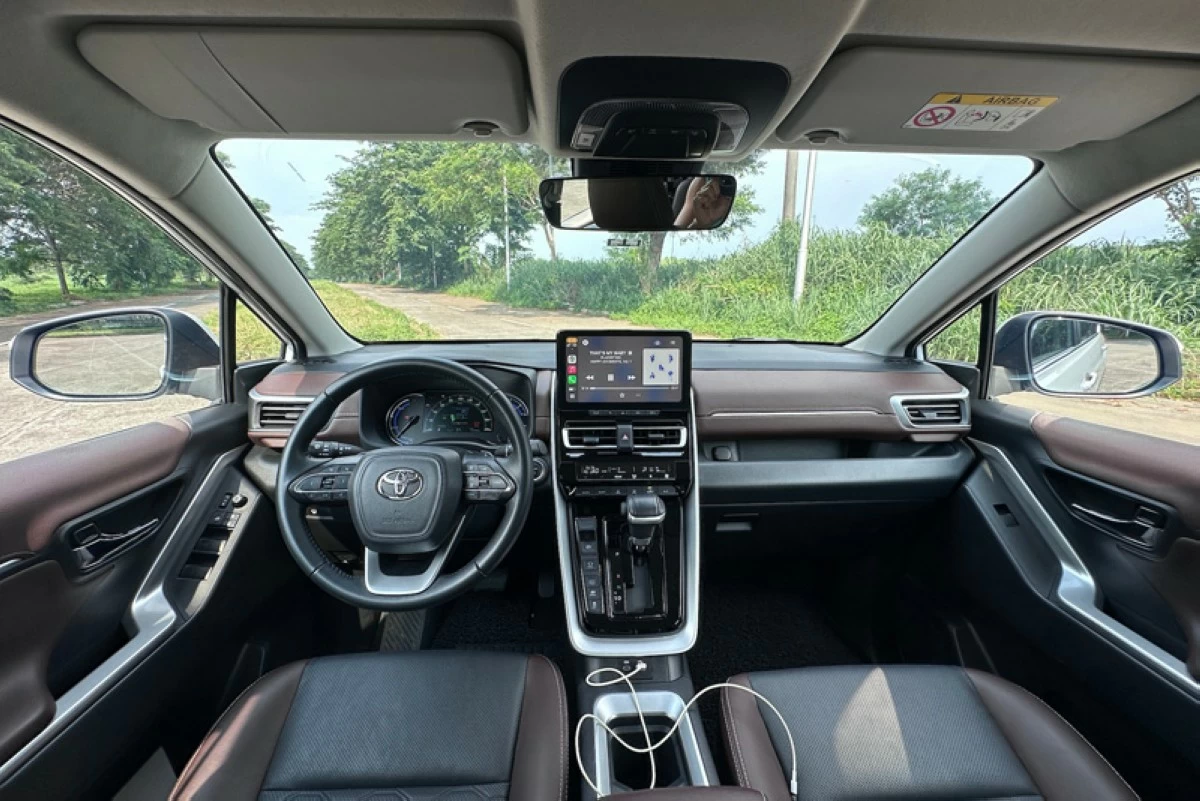
As a premium nameplate, both Zenix grades have a passive entry system, which is only available in the range-topping Innova, but that’s probably as far as the similarities go. The cabin features a two-tone treatment of brown leather and black plastic, along with leather seats, a seven-inch multi-information display, a 10.1-inch infotainment touchscreen with wireless Apple CarPlay, and an automatic climate control system with an auto rear cooler.
Best enjoyed with a chauffeur
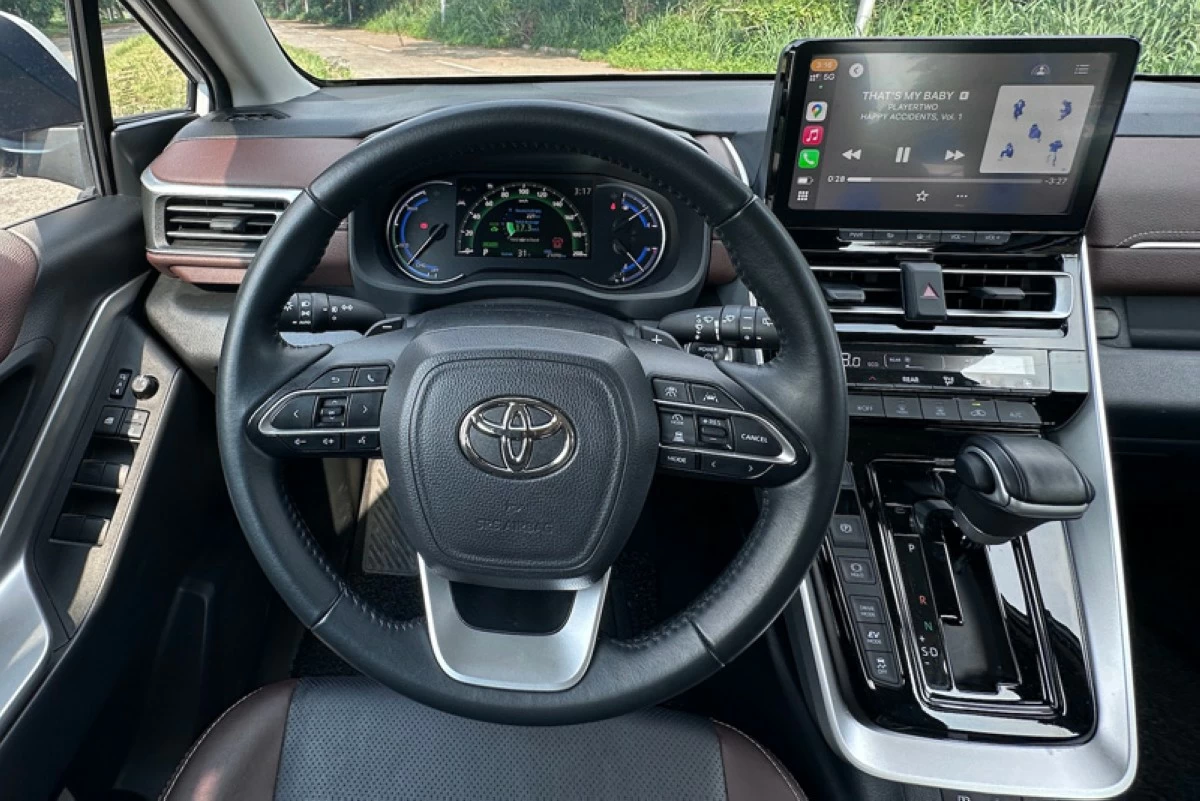
There is nothing fancy about the cockpit. It has a few padded surfaces, but the rest are still hard plastic. To be fair, it doesn’t feel cheap. I would have preferred the touchscreen to be borderless, like what some rivals offer, and it could use a few more storage spaces. I like how accessible the USB ports (Type-A and C) are in their new location right beside the cupholders.
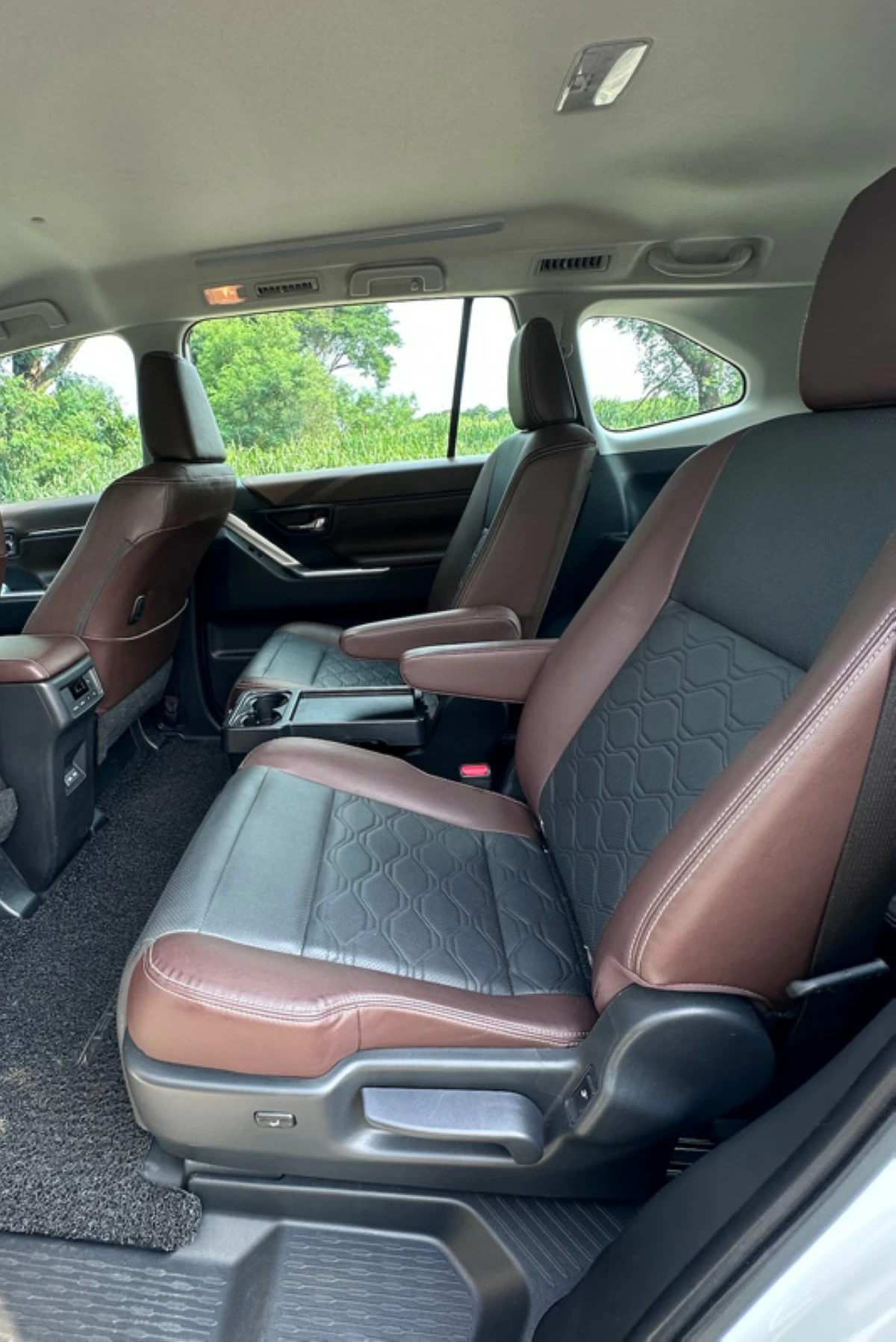
If you’re buying the Zenix, you’d prefer to be driven around because the best seats are in the second row. Here, there are two captain’s chairs with a power ottoman and a power recline feature, a spacious center console with two cupholders, ambient lighting at the top, and two more USB ports. It is important to note that, unlike the Innova, these two seats in the middle are not removable, so you can’t expand cargo space all the way to just behind the front row.
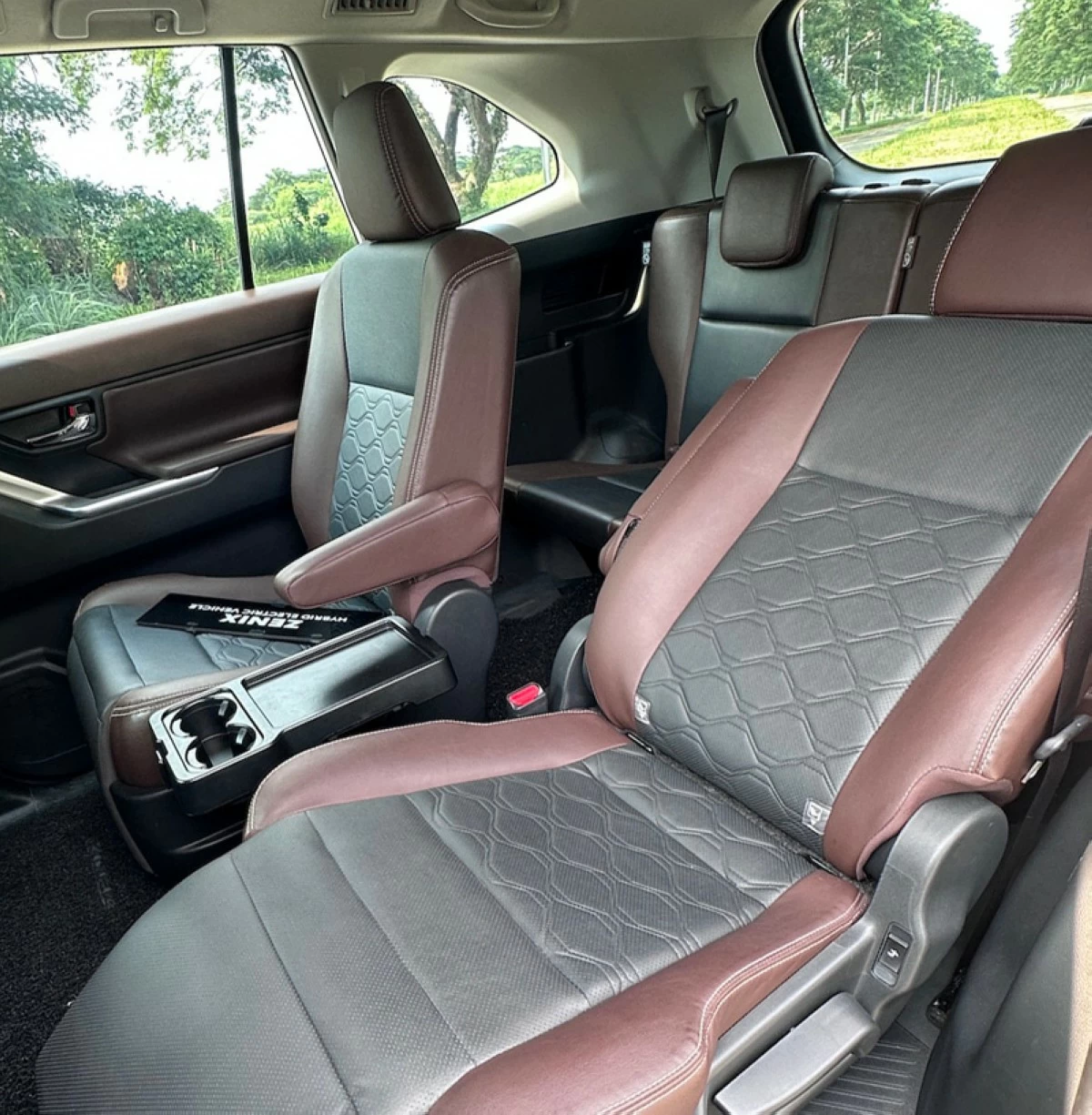
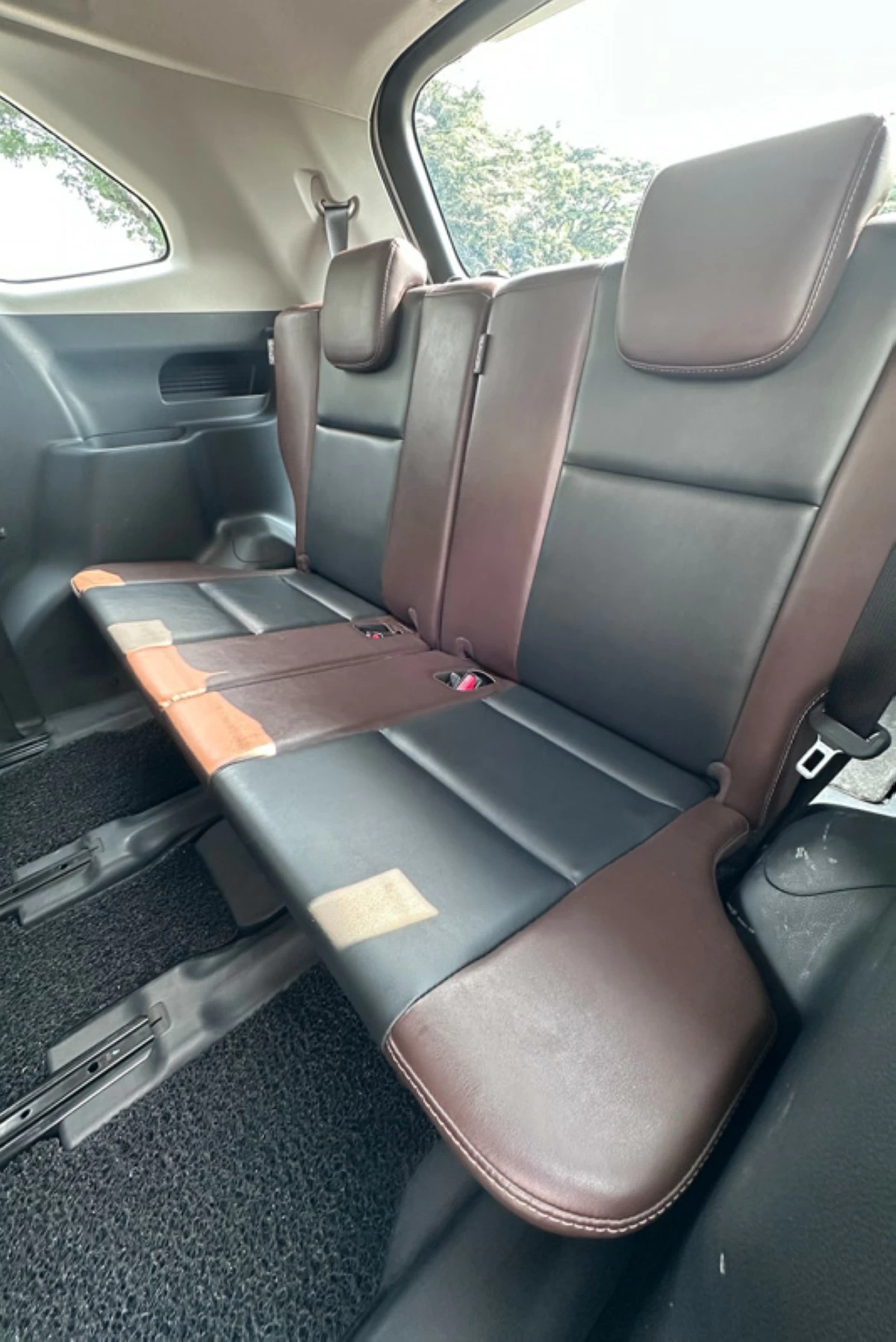
There are four spacious seats in the first two rows and a three-seater bench at the back, but don’t worry. The batteries of the hybrid system are located under the front passenger seats, which means the third row has a lower, flat floor for extra legroom. Plus, there are overhead vents here as well.
Unlike the Innova’s truck-based chassis, the Zenix uses the TNGA-C platform shared with Toyota’s crossovers and sedans. That explains its plush ride and quieter cabin. With batteries weighing it down, balance is better around corners, and it feels more stable on the highway.
Even better with technology
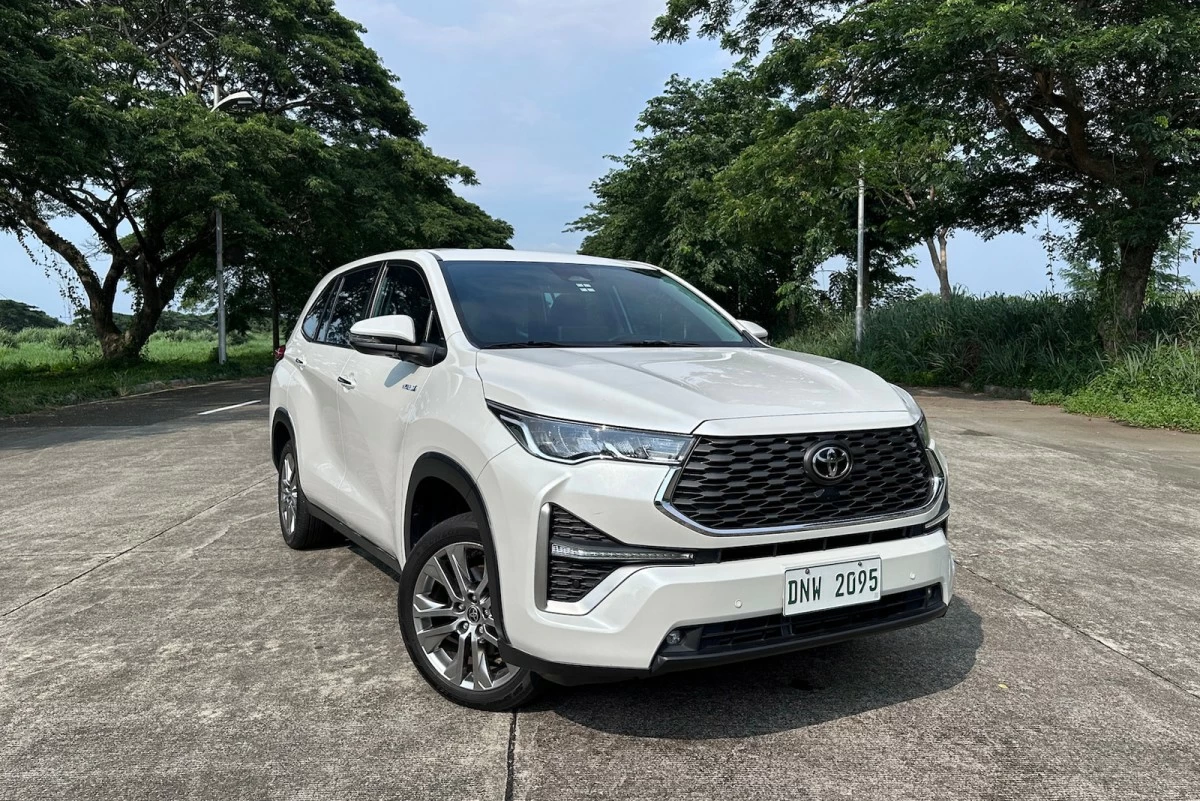
What really makes the Zenix Q special is under the hood. It features a 2.0-liter four-cylinder engine with Variable Valve Timing with intelligence (VVT-i), a 112-horsepower electric motor, and a 6.5-Ah nickel-metal hydride battery. Together, it produces 186-PS and 188-Nm of torque, sending it to the front wheels via a Continuously Variable Transmission. The key to maximizing the hybrid system is a light foot, that is always easy on the throttle. It helps that the cluster has a coaching dial that shows when you’ve crossed the Eco threshold, which means you’re consuming more fuel than necessary. Don’t expect to zoom by other cars when accelerating, but once the vehicle has picked up momentum, overtaking is a breeze. By simply following the meter, I achieved 16.2-km/l on a day when I got stuck in horrendous traffic along EDSA. Total fuel consumption across seven days in mixed driving conditions is 18.7-km/l.
Another strength of the Zenix Q is Toyota Safety Sense, which features a Pre-Collision System, Automatic High Beams, Lane Tracing Assist, Lane Departure Alert, and Dynamic Radar Cruise Control, in addition to its Blind Spot Monitor, Rear Cross Traffic Alert, and Panoramic View Monitor.
With Toyota pricing its vehicles at a premium, I expected the Toyota Zenix 2.0 Q HEV to be over P2M. It was surprising to learn that it retails for only P1.974-million. That’s a fair price for a Toyota stuffed with premium amenities, returns over 16-km/l (on average), and doesn’t have a coding day.