






Manila Bulletin
 Business
Trade & Industry
MRT-3 ridership hits 141 million in 2025, highest level in 8 years
Business
Trade & Industry
MRT-3 ridership hits 141 million in 2025, highest level in 8 years
Business
Trade & Industry
MRT-3 ridership hits 141 million in 2025, highest level in 8 years
MRT-3 ridership hits 141 million in 2025, highest level in 8 years
Published Jan 2, 2026 11:11 pm


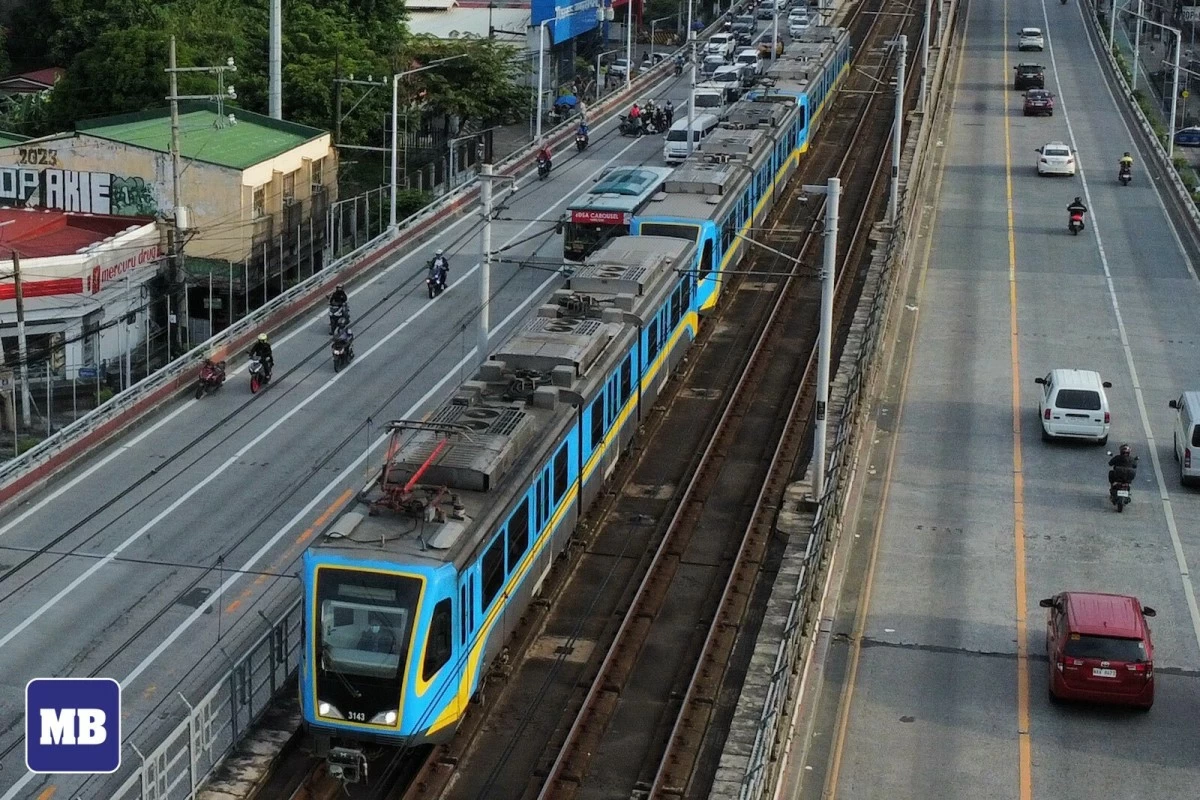
(Manila Bulletin file photo)
The Metro Rail Transit Line 3 (MRT-3) continued its upward trajectory in 2025, registering a 4.2 percent increase in passenger traffic to more than 141 million compared to the previous year.
The MRT-3 served a total of 141.63 million passengers from January to December last year, up from 135.89 million in 2024.
This marks the railway’s return to handling over 140 million passengers for the first time in eight years, when it recorded 140.15 million riders in 2017.
Following that year, MRT-3 continued to decline in passenger volume due to maintenance issues and train limitations, compounded by pandemic-related restrictions.
Since the rehabilitation work in 2021, the railway has gradually regained its ridership, as commuters seek the most stress-free transport option along the highly congested EDSA.
Last year, passengers made MRT-3 even busier with the launch of extended operating hours in March, which added one more hour to accommodate Filipinos working the night shift.
For MRT-3 management, the government’s multiple free-ride initiatives were also key to passenger growth, which benefited a total of 3.32 million riders.
The Department of Transportation (DOTr) also rolled out the cashless payment system in the railway last July to help reduce queues in the stations, with 3.74 million passengers recorded using this mode last year.
MRT-3 General Manager Michael Capati said commuters can expect more changes in the railway this year, in line with the government’s push to make public transportation more accommodating.
"We promise to continue striving to make your commuting experience on our rail line even better," he said.
After nearly a decade, the DOTr plans to field all 48 Dalian trains on MRT-3 this year, after one of the train sets returned to operations last week. While the trains still need to pass safety checks, Capati said the goal is to deploy at least 15 of them in the first quarter.
This is alongside a major overhaul across all 13 stations aimed at upgrading facilities, including the long-awaited plan to install platform barriers.
Through these efforts, the MRT-3 is hoping to cut down the headway or the interval between trains from around five minutes to just two minutes.
While the railway’s operations have since been transferred to the DOTr, improvement works this year will be overseen by Japanese conglomerate Sumitomo Corp.
Sumitomo, which earlier secured a two-year extension to its contract to maintain the MRT-3, will rehabilitate the railway using official development assistance (ODA) from the Japan International Cooperation Agency (JICA).
Acting Transportation Secretary Giovanni Lopez said in September that the ODA will essentially serve as a “bridge between now and when we have already awarded the public-private partnership (PPP).”
With the DOTr on the helm of MRT-3, Lopez said it is pursuing a potential turnover to the private sector, with the target to award the concession this year.
In a PPP briefer issued last year, the government listed the MRT-3 under “pre-project preparation” for a PPP deal, with the estimated cost for the concession to operate and maintain the railway at ₱3 billion.