ADVERTISEMENT

FAST Logistics swaps legacy tech for AI platform to speed up deliveries

Published Jan 2, 2026 12:22 pm  |  Updated Jan 2, 2026 01:03 pm
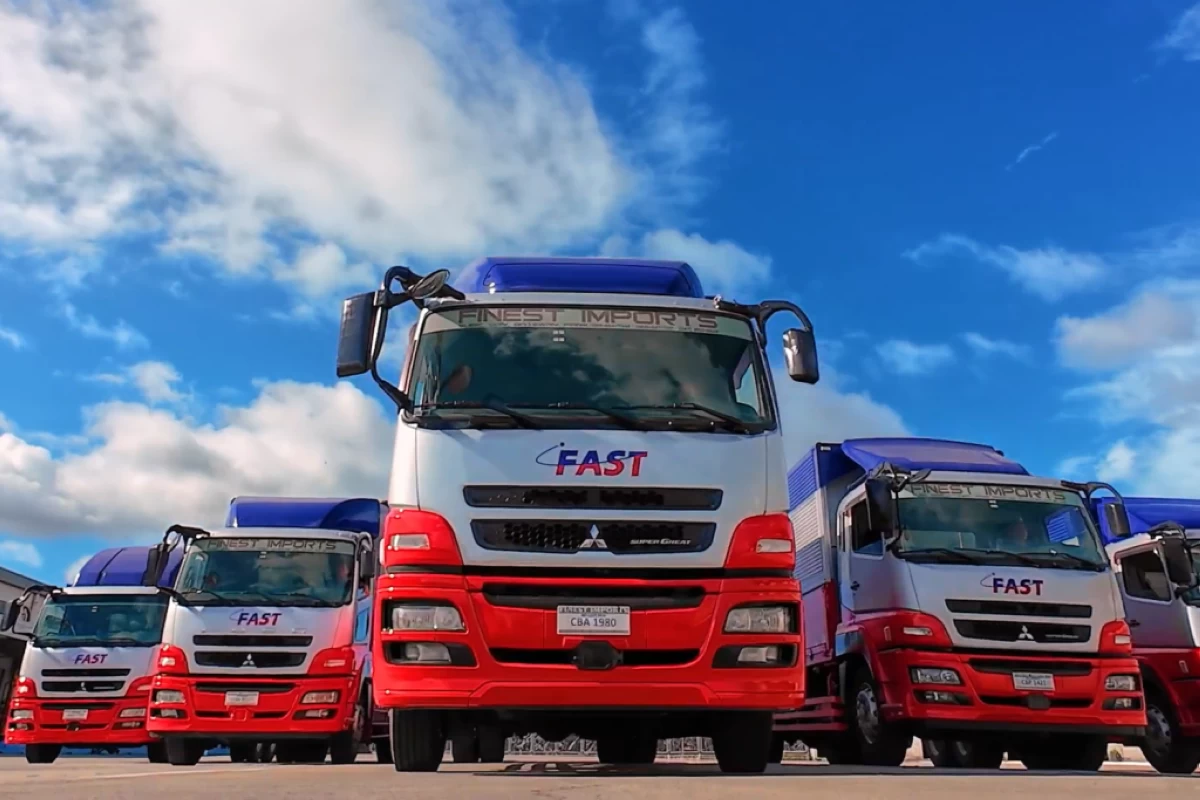
(FAST Logistics Group photo)
FAST Logistics Group is accelerating its push into artificial intelligence (AI) by migrating to new digital platform intended to streamline nationwide operations, as the company prepares for the projected surge in domestic and foreign logistics demand.
The company said it is entering the new year with a transition from its in-house transport management system to a configuration-led delivery intelligence platform developed by global last-mile delivery technology firm FarEye.
“FAST has always believed that exceptional logistics begins with exceptional customer experience,” said FAST Logistics Group chief executive officer for logistics Manuel Onrejas Jr.
“To meet the pace at which our customers are evolving, we need technology that lets us innovate faster and operate with greater reliability. FarEye brings that agility,” he added.
With an industry-high fleet of 3,100 nationwide, the new platform allows FAST Logistics Group to improve delivery predictability and route planning with the help of AI.
It provides the company with a better overview of key performance indicators, including driver productivity, hub performance, and customer satisfaction.
The platform also enables the logistics firm to deploy new transport capabilities more quickly, as it can be modified through configuration rather than custom coding.
“With FarEye, FAST will be able to improve service level agreement performance through enhanced routing and better data consistency,” the company said.
FAST Logistics Group said it is now entering the design and rollout phases with FarEye, with an end goal of building a platform that could support the next decade of growth for Philippine enterprises.
“Across Southeast Asia, delivery networks are becoming more dynamic, increasingly fragmented, and more customer driven,” said FarEye co-founder and chief operating officer Gautam Kumar, who noted that FAST Logistics Group is operating in one of the most complex and diverse logistics landscapes in the region.
“We’re happy to help FAST bring intelligence to this scale and complexity, so they can respond faster, operate with greater predictability, and build a modern logistics foundation for the next decade,” he added.
For more than half a century, FAST Logistics Group has managed over one million deliveries per year, primarily serving the sectors of fast-moving consumer goods (FMCG), retail, pharmaceuticals, automotive, and agriculture.
This year, however, the company expects the logistics industry to see substantial growth thanks to the continued scaling of domestic businesses, alongside the increased participation by foreign players in the market.
Supported by a growing company and stronger purchasing power across market segments, it expects higher demand for end-to-end logistics services and broader regional coverage beyond Metro Manila.
FAST Logistics Group is keen on harnessing AI to improve efficiency and build resilience against disruptions, helping meet customer expectations for the year and beyond.
The firm currently runs the AI-powered warehouse management system designed by North Carolina-based Honeywell to manage its over two million square meters of warehouse space across 150 sites.
ADVERTISEMENT
.most-popular .layout-ratio{ padding-bottom: 79.13%; } @media (min-width: 768px) and (max-width: 1024px) { .widget-title { font-size: 15px !important; } }

{{ articles_filter_1561_widget.title }}

.most-popular .layout-ratio{ padding-bottom: 79.13%; } @media (min-width: 768px) and (max-width: 1024px) { .widget-title { font-size: 15px !important; } }

{{ articles_filter_1562_widget.title }}

.most-popular .layout-ratio{ padding-bottom: 79.13%; } @media (min-width: 768px) and (max-width: 1024px) { .widget-title { font-size: 15px !important; } }

{{ articles_filter_1563_widget.title }}

{{ articles_filter_1564_widget.title }}

.mb-article-details { position: relative; } .mb-article-details .article-body-preview, .mb-article-details .article-body-summary{ font-size: 17px; line-height: 30px; font-family: "Libre Caslon Text", serif; color: #000; } .mb-article-details .article-body-preview iframe , .mb-article-details .article-body-summary iframe{ width: 100%; margin: auto; } .read-more-background { background: linear-gradient(180deg, color(display-p3 1.000 1.000 1.000 / 0) 13.75%, color(display-p3 1.000 1.000 1.000 / 0.8) 30.79%, color(display-p3 1.000 1.000 1.000) 72.5%); position: absolute; height: 200px; width: 100%; bottom: 0; display: flex; justify-content: center; align-items: center; padding: 0; } .read-more-background a{ color: #000; } .read-more-btn { padding: 17px 45px; font-family: Inter; font-weight: 700; font-size: 18px; line-height: 16px; text-align: center; vertical-align: middle; border: 1px solid black; background-color: white; } .hidden { display: none; }
function initializeAllSwipers() { // Get all hidden inputs with cms_article_id document.querySelectorAll('[id^="cms_article_id_"]').forEach(function (input) { const cmsArticleId = input.value; const articleSelector = '#article-' + cmsArticleId + ' .body_images'; const swiperElement = document.querySelector(articleSelector); if (swiperElement && !swiperElement.classList.contains('swiper-initialized')) { new Swiper(articleSelector, { loop: true, pagination: false, navigation: { nextEl: '#article-' + cmsArticleId + ' .swiper-button-next', prevEl: '#article-' + cmsArticleId + ' .swiper-button-prev', }, }); } }); } setTimeout(initializeAllSwipers, 3000); const intersectionObserver = new IntersectionObserver( (entries) => { entries.forEach((entry) => { if (entry.isIntersecting) { const newUrl = entry.target.getAttribute("data-url"); if (newUrl) { history.pushState(null, null, newUrl); let article = entry.target; // Extract metadata const author = article.querySelector('.author-section').textContent.replace('By', '').trim(); const section = article.querySelector('.section-info ').textContent.replace(' ', ' '); const title = article.querySelector('.article-title h1').textContent; // Parse URL for Chartbeat path format const parsedUrl = new URL(newUrl, window.location.origin); const cleanUrl = parsedUrl.host + parsedUrl.pathname; // Update Chartbeat configuration if (typeof window._sf_async_config !== 'undefined') { window._sf_async_config.path = cleanUrl; window._sf_async_config.sections = section; window._sf_async_config.authors = author; } // Track virtual page view with Chartbeat if (typeof pSUPERFLY !== 'undefined' && typeof pSUPERFLY.virtualPage === 'function') { try { pSUPERFLY.virtualPage({ path: cleanUrl, title: title, sections: section, authors: author }); } catch (error) { console.error('ping error', error); } } // Optional: Update document title if (title && title !== document.title) { document.title = title; } } } }); }, { threshold: 0.1 } ); function showArticleBody(button) { const article = button.closest("article"); const summary = article.querySelector(".article-body-summary"); const body = article.querySelector(".article-body-preview"); const readMoreSection = article.querySelector(".read-more-background"); // Hide summary and read-more section summary.style.display = "none"; readMoreSection.style.display = "none"; // Show the full article body body.classList.remove("hidden"); } document.addEventListener("DOMContentLoaded", () => { let loadCount = 0; // Track how many times articles are loaded const offset = [1, 2, 3, 4, 5, 6, 7, 8, 9, 10]; // Offset values const currentUrl = window.location.pathname.substring(1); let isLoading = false; // Prevent multiple calls if (!currentUrl) { console.log("Current URL is invalid."); return; } const sentinel = document.getElementById("load-more-sentinel"); if (!sentinel) { console.log("Sentinel element not found."); return; } function isSentinelVisible() { const rect = sentinel.getBoundingClientRect(); return ( rect.top < window.innerHeight && rect.bottom >= 0 ); } function onScroll() { if (isLoading) return; if (isSentinelVisible()) { if (loadCount >= offset.length) { console.log("Maximum load attempts reached."); window.removeEventListener("scroll", onScroll); return; } isLoading = true; const currentOffset = offset[loadCount]; window.loadMoreItems().then(() => { let article = document.querySelector('#widget_1690 > div:nth-last-of-type(2) article'); intersectionObserver.observe(article) loadCount++; }).catch(error => { console.error("Error loading more items:", error); }).finally(() => { isLoading = false; }); } } window.addEventListener("scroll", onScroll); });

Sign up by email to receive news.