







Diesel hike expected while gasoline sees New Year relief
Published Jan 2, 2026 01:27 pm


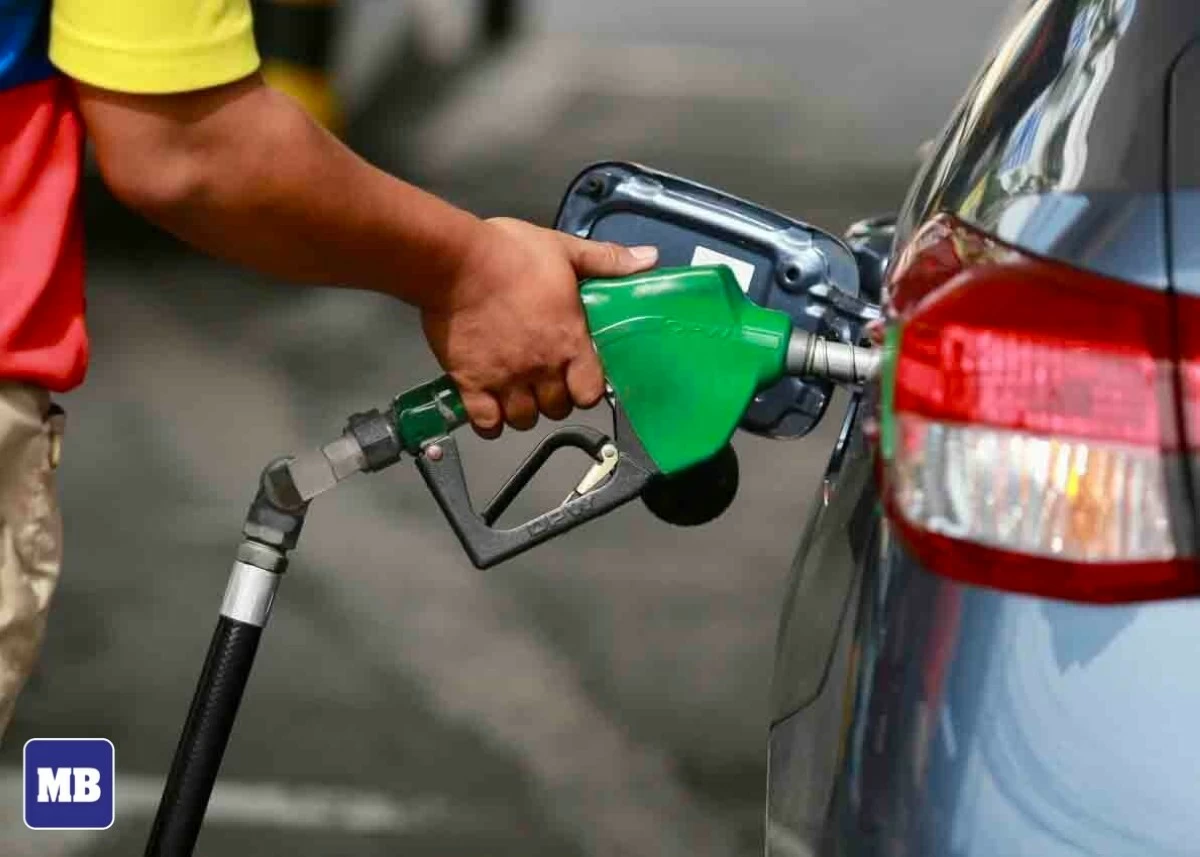
At a Quezon City gas station, a pump attendant fills a car's fuel tank. This week, the cost of petroleum products has risen, a direct result of escalating geopolitical tensions in the Middle East.
Motorists will face a divergence in pump prices as the 2026 trading year begins, with early market data suggesting a slight reprieve for gasoline users while diesel costs are poised to climb.
Based on the first four days of trading for the Mean of Platts Singapore (MOPS), the regional benchmark for refined products, diesel prices are projected to rise by ₱0.20 to ₱0.40 per liter next week.
In contrast, gasoline prices may see a marginal adjustment ranging from a ₱0.10 per liter rollback to a flat trend. Kerosene, a fuel for households and the aviation sector, is expected to decrease by approximately ₱0.20 per liter.
The mixed outlook reflects a complex tug-of-war between lackluster global demand and persistent logistics costs. Rodela Romero, director of the Department of Energy’s Oil Industry Management Bureau (DOE-OIMB), said on Friday, Jan. 2, that global market developments continue to dictate the domestic price structure.
Romero noted that while there is an overarching expectation for some downward movement, the market remains heavily influenced by geopolitical risks and an anticipated global oversupply.
The DOE-OIMB further attributed the volatility to weak consumption data from China, the world’s largest oil importer, alongside the ongoing production policies of the Organization of the Petroleum Exporting Countries and its allies, known as OPEC+.
These factors have created a fragile market balance where supply surpluses are being weighed against the potential for sudden disruptions.
Industry players noted that while the underlying commodity price has softened, the cost of bringing fuel to Philippine shores remains high. Leo Bellas, president of Jetti Petroleum, said that average MOPS prices for both diesel and gasoline have declined slightly this week as regional refineries ramp up production following recent maintenance shutdowns.
However, these gains are being offset by secondary costs. The freight and premium components of the price buildup remain elevated, Bellas said, citing concerns that geopolitical tensions could still impact supply chains.
The projected adjustments follow a period of relative volatility at the close of 2025.
On Dec. 30, oil companies implemented a ₱0.60 per liter increase for both diesel and kerosene, while gasoline prices remained unchanged to end the year.