







Convergence of sustainability, technology, and wellbeing
A 2025 recap of architectural design trends and forecasts by Casas+Architects
Published Jan 2, 2026 10:45 am


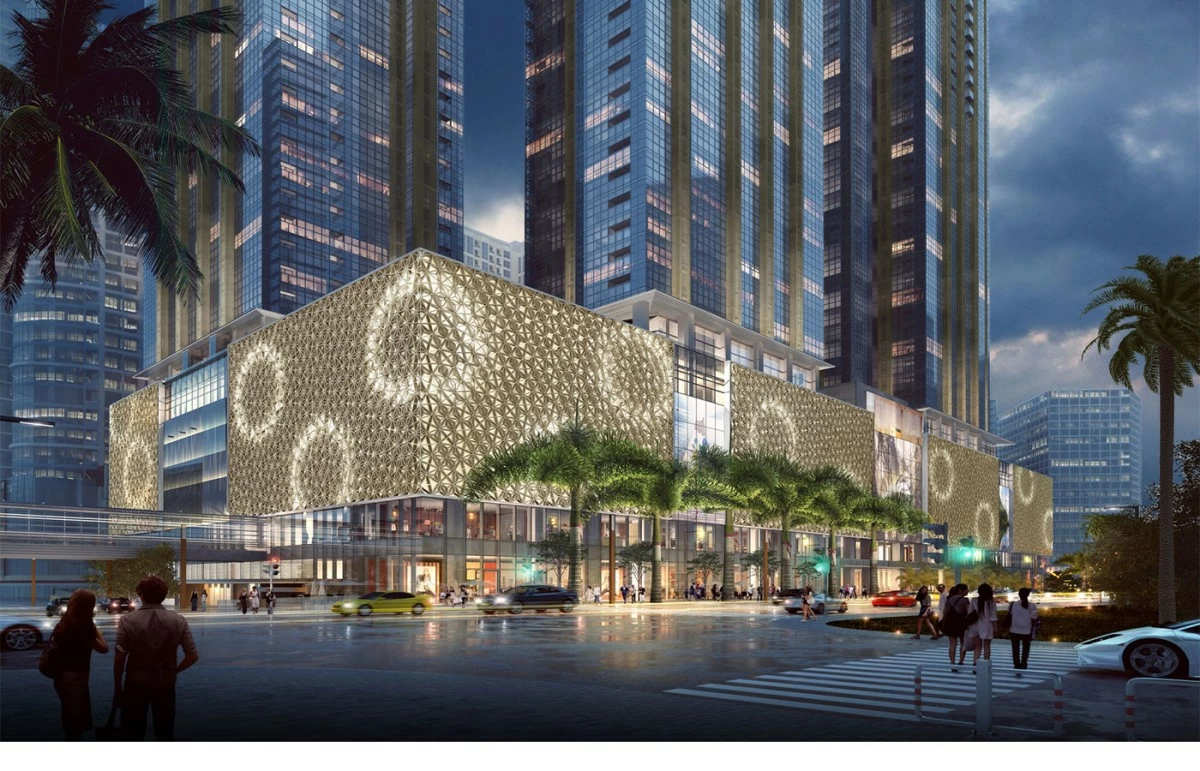
Mitsukoshi BGC (Artist's perspective)
As one of the country’s leading architectural firms, Casas+Architects has built a remarkable track record with architectural designs and a portfolio of services spanning over 35 years. For 2025, Casas+Architects president and CEO Barbie del Castillo Go sizes up the industry as the firm looks forward to delivering more projects with added value through future-proof designs.
“2025 has been a strong and meaningful year for Casas+Architects. We continued to expand our project portfolio across hospitality, residential, mixed-use, and institutional developments,” says Go. “We strengthened our internal standards and training programs, improved interdisciplinary collaboration, and delivered several milestone projects that reflect our commitment to design excellence. We also invested heavily in professional development, ensuring our people grow alongside the firm.”
As observed by Go, the past year was prominently marked by a strong push toward resilience, sustainability, and people-centered environments. She shares that in terms of architectural design trends, "local developers are prioritizing flood-adaptive planning, elevated structures, passive ventilation strategies, and green design integrations. There is also a growing emphasis on mixed-use developments that support walkability, as well as more technology-enabled buildings that improve user experience and operational efficiency.”
In the international scene, Go noted that architecture continues to lean toward net-zero and carbon-neutral targets, along with circular construction practices. She underscores that “international markets are also advancing modular and prefabricated systems, high-performance façades, and AI-driven design simulations to optimize energy and space use. Additionally, there is a renewed focus on biophilic and restorative design, particularly in dense urban environments.”
At the home front, Go works closely with clients, observing that client demands are also evolving. “Clients today are navigating fast-changing market conditions, so their requirements often involve tight timelines, budget constraints, or evolving project scopes. These can be challenging, but they push us to be better,” she adds.

Casas+Architects president and CEO Barbie del Castillo Go
Casas+Architects places high value on clients’ specific requirements, and Go and her team respond by practicing clear communication and expectation-setting early in the project and ensuring close coordination among architects, consultants, and contractors. She is also responsible for setting up and leveraging internal systems in managing manpower, reviewing standards, and maintaining the quality of deliverables. With a solution-oriented mindset, she makes sure that creativity in design is aligned with practical, buildable outcomes.
"This means creating architecture that is efficient yet effective, purposeful rather than excessive, and deeply responsive to people, context, and resources. True value will come from thoughtful planning, intelligent use of space and materials, and solutions that are sustainable, adaptable, and enduring architecture that performs well over time while genuinely improving how people live, work, and connect," said Carmelo T. Casas, founder and chairman of Casas+Architects.
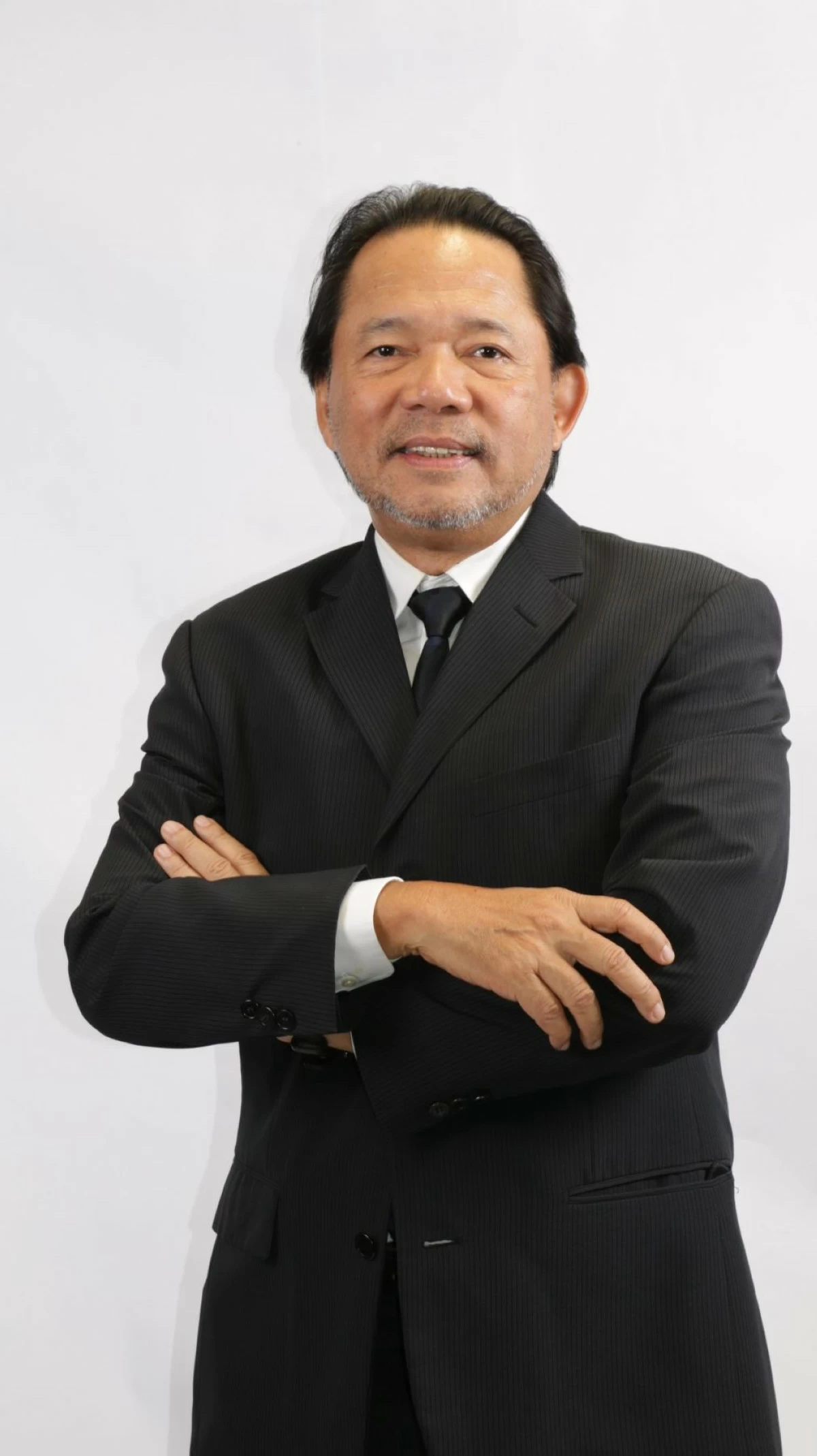
Carmelo T. Casas, founder and chairman of Casas+Architects
As an example, the firm observes resilience as a fundamental aspect of their design approach in response to the challenges brought by natural calamities to architectural structures, a pressing concern in 2025. In the process, they integrate proper site planning, drainage solutions, and elevated design strategies for flood mitigation, such as enhancing structural design to meet seismic requirements and selecting materials with improved durability and reduced maintenance. In addition, the firm collaborates with specialized engineers to ensure building systems remain functional during emergencies.
“Designing for calamities is not just about meeting code; it’s about creating environments that allow communities to recover faster and feel safe in their homes and workplaces,” adds Go.
Following this trend, Casas+Architects anticipates an even stronger convergence of sustainability, technology, and human wellbeing in the coming year. “We are counting on more projects adopting climate-adaptive design, renewable energy features, and smarter building management systems. We also expect clients to invest more in flexible, future-proof layouts as they balance hybrid work, changing retail patterns, and evolving community needs,” shares Go.
“In 2026, we are investing in deeper technical expertise, more robust project management systems, and talent development to support our growth. Clients can look forward to innovative, responsive designs, stronger partnerships, and a continued commitment to enhancing lives and the environment through architecture,” concludes Go.