ADVERTISEMENT

Dado Banatao: Filipino genius, global legacy

Published Jan 1, 2026 12:05 am  |  Updated Dec 31, 2025 03:35 pm
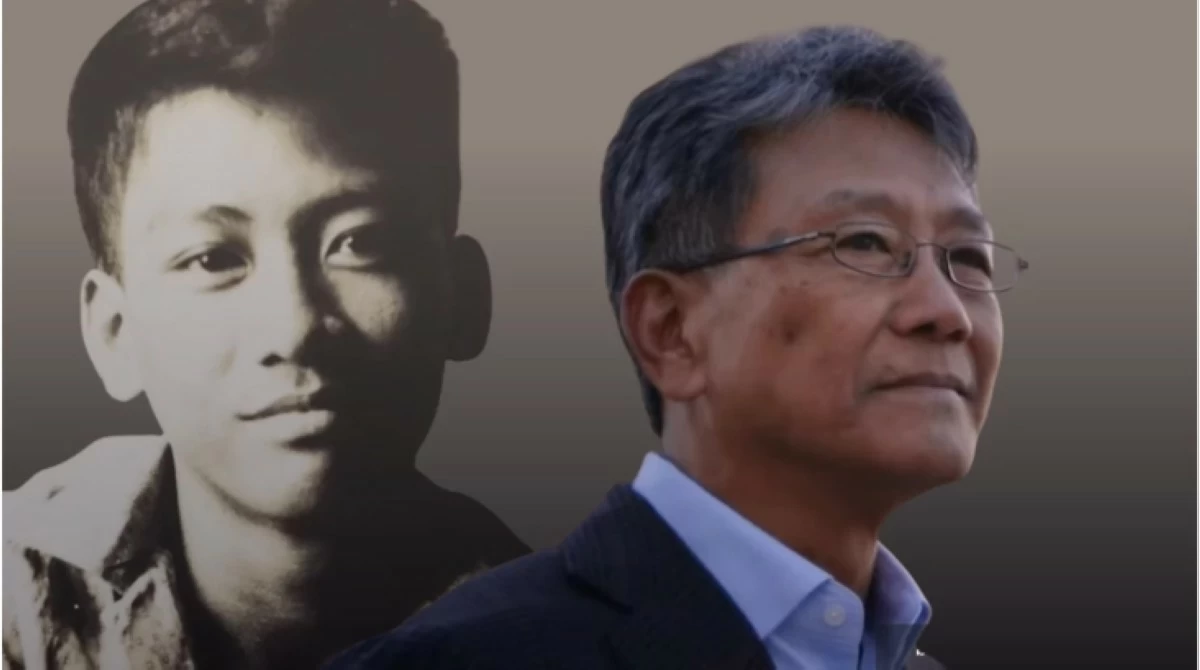
Diosdado “Dado” Banatao (Manila Bulletin file photo)
The passing of Diosdado “Dado” Banatao on December 25 invites a nation to pause, remember, and give thanks. Few Filipinos have left as profound an imprint on the modern world as this quiet engineer-inventor whose work helped power the digital revolution. In honoring Banatao, we honor not only an individual, but the boundless potential of the Filipino mind.
Banatao’s journey began far from Silicon Valley. Born to a farming family in Cagayan, he grew up in modest circumstances where discipline, thrift, and perseverance were daily lessons. What he lacked in material advantage, he more than made up for in intellectual curiosity and resolve. His early brilliance in mathematics and science earned him a degree in electrical engineering from Mapúa Institute of Technology—already a remarkable achievement for a young man from the provinces.
That foundation carried him across the Pacific to the United States, where he pursued graduate studies and earned a master’s degree from Stanford University. At the epicenter of technological innovation, Banatao did not merely observe history; he helped shape it. As the personal computer emerged, he became a pioneering force behind microchip and logic chipset designs that enabled faster, more affordable, and more powerful computing.
His landmark achievements are etched into the architecture of modern technology. Banatao co-founded Chips and Technologies, a company that developed the core logic chipsets for IBM PC-compatible computers, significantly lowering costs and accelerating global adoption. He later co-founded S3 Graphics, whose innovations in graphics processing further advanced computing performance. Holding numerous patents, he earned recognition as one of Silicon Valley’s foremost Filipino innovators at a time when few Asians occupied such spaces of influence.
But Banatao’s greatness is measured not only by what he invented, but by how he chose to serve. He consistently gave back—supporting education, mentoring young engineers, and investing in initiatives that sought to prepare Filipinos for a technology-driven future. He understood that innovation gains its highest value when it uplifts others.
How, then, does a grateful nation thank Diosdado Banatao? Beyond tributes and accolades, the most meaningful honor lies in action. His life urges the Philippines to double down on science and technology education, to invest in research and development, and to create environments where young innovators can thrive. Scholarships, research chairs, innovation labs, and national STEM programs bearing his name would ensure that his legacy becomes a living force for progress. By pursuing the advancement of science and technology as a national priority, the nation will have affirmed the clarity of his path-finding vision.
Most of all, Banatao’s story must be told—especially to the youth. In a time when many young Filipinos question their place in an increasingly complex world, his life offers reassurance: excellence is not limited by geography, circumstance, or origin. With discipline, imagination, and purpose, Filipinos can compete—and lead—on the global stage. Yes, talented Filipinos can stand shoulder to shoulder with the best in the world.
Dado Banatao transformed silicon into opportunity and knowledge into empowerment. As we mourn his passing, we are reminded that his greatest invention may well be the inspiration he leaves behind. In celebrating his life, we reaffirm a national commitment to inform minds, inspire dreams, and empower the next generation to build the future he so brilliantly helped imagine.
ADVERTISEMENT
.most-popular .layout-ratio{ padding-bottom: 79.13%; } @media (min-width: 768px) and (max-width: 1024px) { .widget-title { font-size: 15px !important; } }

{{ articles_filter_1561_widget.title }}

.most-popular .layout-ratio{ padding-bottom: 79.13%; } @media (min-width: 768px) and (max-width: 1024px) { .widget-title { font-size: 15px !important; } }

{{ static_articles_1562_widget.title }}

.most-popular .layout-ratio{ padding-bottom: 79.13%; } @media (min-width: 768px) and (max-width: 1024px) { .widget-title { font-size: 15px !important; } }

{{ articles_filter_1563_widget.title }}

{{ articles_filter_1564_widget.title }}

.mb-article-details { position: relative; } .mb-article-details .article-body-preview, .mb-article-details .article-body-summary{ font-size: 17px; line-height: 30px; font-family: "Libre Caslon Text", serif; color: #000; } .mb-article-details .article-body-preview iframe , .mb-article-details .article-body-summary iframe{ width: 100%; margin: auto; } .read-more-background { background: linear-gradient(180deg, color(display-p3 1.000 1.000 1.000 / 0) 13.75%, color(display-p3 1.000 1.000 1.000 / 0.8) 30.79%, color(display-p3 1.000 1.000 1.000) 72.5%); position: absolute; height: 200px; width: 100%; bottom: 0; display: flex; justify-content: center; align-items: center; padding: 0; } .read-more-background a{ color: #000; } .read-more-btn { padding: 17px 45px; font-family: Inter; font-weight: 700; font-size: 18px; line-height: 16px; text-align: center; vertical-align: middle; border: 1px solid black; background-color: white; } .hidden { display: none; }
function initializeAllSwipers() { // Get all hidden inputs with cms_article_id document.querySelectorAll('[id^="cms_article_id_"]').forEach(function (input) { const cmsArticleId = input.value; const articleSelector = '#article-' + cmsArticleId + ' .body_images'; const swiperElement = document.querySelector(articleSelector); if (swiperElement && !swiperElement.classList.contains('swiper-initialized')) { new Swiper(articleSelector, { loop: true, pagination: false, navigation: { nextEl: '#article-' + cmsArticleId + ' .swiper-button-next', prevEl: '#article-' + cmsArticleId + ' .swiper-button-prev', }, }); } }); } setTimeout(initializeAllSwipers, 3000); const intersectionObserver = new IntersectionObserver( (entries) => { entries.forEach((entry) => { if (entry.isIntersecting) { const newUrl = entry.target.getAttribute("data-url"); if (newUrl) { history.pushState(null, null, newUrl); let article = entry.target; // Extract metadata const author = article.querySelector('.author-section').textContent.replace('By', '').trim(); const section = article.querySelector('.section-info ').textContent.replace(' ', ' '); const title = article.querySelector('.article-title h1').textContent; // Parse URL for Chartbeat path format const parsedUrl = new URL(newUrl, window.location.origin); const cleanUrl = parsedUrl.host + parsedUrl.pathname; // Update Chartbeat configuration if (typeof window._sf_async_config !== 'undefined') { window._sf_async_config.path = cleanUrl; window._sf_async_config.sections = section; window._sf_async_config.authors = author; } // Track virtual page view with Chartbeat if (typeof pSUPERFLY !== 'undefined' && typeof pSUPERFLY.virtualPage === 'function') { try { pSUPERFLY.virtualPage({ path: cleanUrl, title: title, sections: section, authors: author }); } catch (error) { console.error('ping error', error); } } // Optional: Update document title if (title && title !== document.title) { document.title = title; } } } }); }, { threshold: 0.1 } ); function showArticleBody(button) { const article = button.closest("article"); const summary = article.querySelector(".article-body-summary"); const body = article.querySelector(".article-body-preview"); const readMoreSection = article.querySelector(".read-more-background"); // Hide summary and read-more section summary.style.display = "none"; readMoreSection.style.display = "none"; // Show the full article body body.classList.remove("hidden"); } document.addEventListener("DOMContentLoaded", () => { let loadCount = 0; // Track how many times articles are loaded const offset = [1, 2, 3, 4, 5, 6, 7, 8, 9, 10]; // Offset values const currentUrl = window.location.pathname.substring(1); let isLoading = false; // Prevent multiple calls if (!currentUrl) { console.log("Current URL is invalid."); return; } const sentinel = document.getElementById("load-more-sentinel"); if (!sentinel) { console.log("Sentinel element not found."); return; } function isSentinelVisible() { const rect = sentinel.getBoundingClientRect(); return ( rect.top < window.innerHeight && rect.bottom >= 0 ); } function onScroll() { if (isLoading) return; if (isSentinelVisible()) { if (loadCount >= offset.length) { console.log("Maximum load attempts reached."); window.removeEventListener("scroll", onScroll); return; } isLoading = true; const currentOffset = offset[loadCount]; window.loadMoreItems().then(() => { let article = document.querySelector('#widget_1690 > div:nth-last-of-type(2) article'); intersectionObserver.observe(article) loadCount++; }).catch(error => { console.error("Error loading more items:", error); }).finally(() => { isLoading = false; }); } } window.addEventListener("scroll", onScroll); });

Sign up by email to receive news.