ADVERTISEMENT

Unseen hands carry a nation's hope

Published Apr 30, 2025 09:33 am
raw-01052023-san andres job fair-06-quizol.jpg
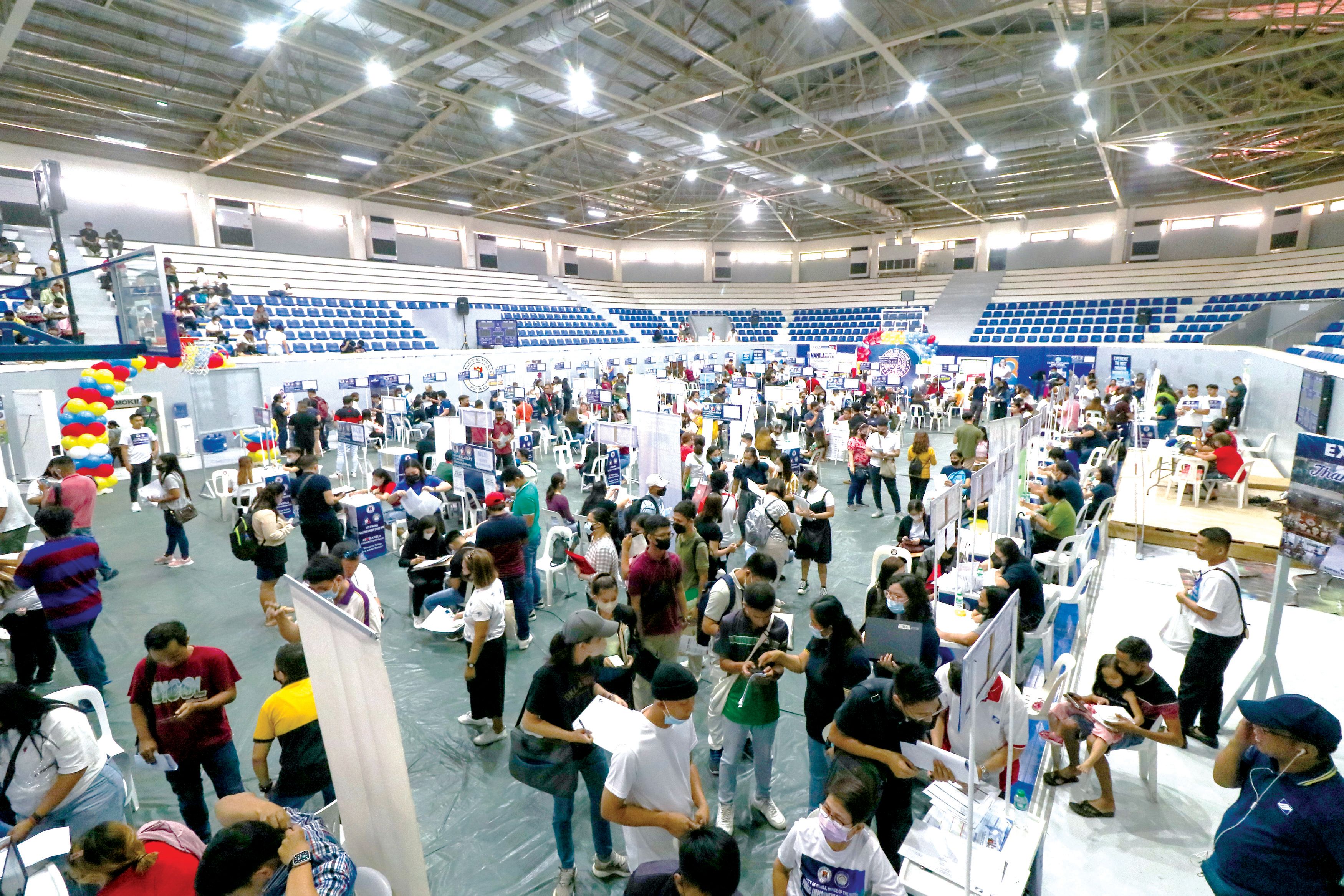
Jobseekers flock to San Andres Sports Complex in Manila, as the City of Manila held a job fair and Manila Public Employment Service Office (PESO) held a job fair on Labor Day, May 1, 2023. (MB FILE PHOTO)


From the rice paddies of Nueva Ecija to the bustling avenues of Metro Manila, Filipino workers remain the silent force powering the nation’s progress—steadfast, resilient, and dignified.


As the country marks the 123rd Labor Day on May 1, the occasion stands not merely as a public holiday but as a solemn tribute to the backbone of the Philippine economy—the labor force.


Observed amid the nation’s continuing economic recovery and the evolving global employment landscape, Labor Day offers a moment to reflect on the sacrifices, milestones, and enduring struggles of millions of workers—farmers, teachers, nurses, drivers, vendors—who keep the country moving forward.


This year’s theme, “Manggagawang Pilipino, Kaagapay sa Pag-unlad, Sandigan ng Mas Matatag na Bagong Pilipinas,” underscores the government’s renewed commitment to uplift the labor sector and cement its role at the heart of national development.


A nation responds with opportunity
 

In support of this vision, the Department of Labor and Employment (DOLE) is spearheading a nationwide drive to connect job seekers with meaningful opportunities.
Over 216,000 job vacancies are being offered through job fairs in 69 locations across the country.


Of these, more than 181,000 are for local employment, while nearly 34,000 positions are overseas. Leading companies in manufacturing, retail, hospitality, and BPO—such as SM, Robinsons, Toyota, Accenture, and BDO—are actively participating.


“Labor Day is more than commemoration. It is a reaffirmation of our commitment to ensure decent work and uphold workers’ rights,” said Labor Secretary Bienvenido E. Laguesma.
In Metro Manila alone, more than 63,000 job opportunities await applicants, in line with the President’s directive to generate inclusive and regionally distributed employment.
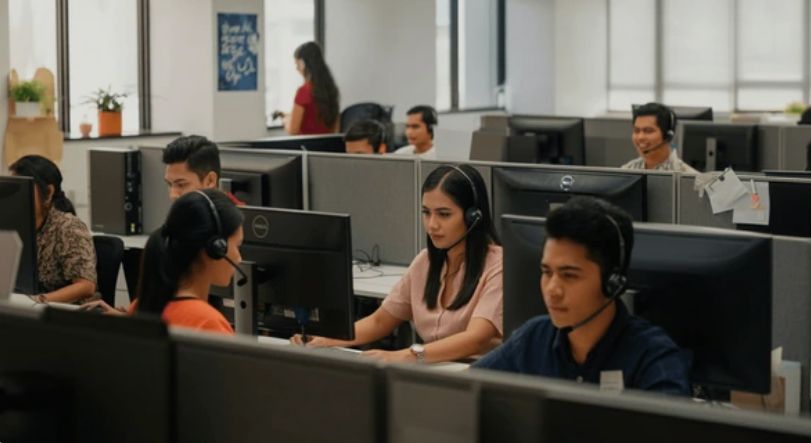
 

LABOR DAY WORKERS.jpg
(Shutterstock photo)


A legacy forged in struggle
 

Labor Day in the Philippines traces its origins to May 1, 1903, when more than 100,000 Filipino workers marched through Manila, led by the Union Obrera Democratica de Filipinas.
Their call for fair wages, humane working conditions, and an eight-hour workday would reverberate for generations.


By 1908, the Philippine Assembly declared May 1 a national holiday, making the country the first in Southeast Asia to formally honor its labor force.


This spirit of advocacy was later enshrined in landmark legislation, including the Labor Code of 1974 and Republic Act No. 6727, which institutionalized wage boards and bolstered worker protections nationwide.


Programs of empowerment and protection
 

Today, DOLE continues that legacy through vital initiatives. The Tulong Panghanapbuhay sa Ating Disadvantaged/Displaced Workers (TUPAD) program provides emergency employment to workers affected by calamities, offering both income support and community upliftment.


JobStart Philippines prepares youth for gainful employment through life skills training, internships, and career coaching, while the National Skills Registration Program (NSRP) strengthens job matching with a real-time database of job seekers.


DOLE also intensifies its workplace inspection efforts—over 70,000 establishments reviewed this year—to promote compliance with labor standards and ensure safety and dignity at work.


Aligned with the International Labor Organization’s Decent Work Agenda, the government affirms its commitment to job security, social protection, and meaningful dialogue between employers and workers.


A labor force that sustains a nation
 

With a labor force of over 50.7 million, the Filipino worker powers every corner of the economy—from agriculture and construction to healthcare, education, and tourism.
Overseas Filipino Workers (OFWs) also remain vital to national resilience. In 2024, remittances from OFWs reached $38.2 billion, sustaining millions of Filipino families and reinforcing macroeconomic stability.


Yet, challenges persist. Wage inequality, job insecurity, and unsafe working conditions demand sustained attention and reform.


Embracing the future of work
 

As digitalization, climate change, and new work models reshape labor worldwide, the Philippines is adapting.


Emerging proposals aim to modernize labor laws, extend protections to gig and platform workers, and promote sustainable and green jobs in line with global shifts.
At the core of this transformation is a guiding principle: labor must not be left behind in policy, innovation, or progress.


Labor Day is more than parades and promises—it is a national commitment to ensure that Filipino workers are protected in law, empowered in practice, and heard at every table where decisions are made.


Behind every harvest, every high-rise, every hospital shift, and every service call is a Filipino worker whose unseen hands carry the dreams of a nation.


This May 1, the country does more than honor labor—it listens to it, learns from it, and builds a stronger future with it.

Related Tags

Featurestory Spotlight Features Specialstoryonline
ADVERTISEMENT
.most-popular .layout-ratio{ padding-bottom: 79.13%; } @media (min-width: 768px) and (max-width: 1024px) { .widget-title { font-size: 15px !important; } }

{{ articles_filter_1561_widget.title }}

.most-popular .layout-ratio{ padding-bottom: 79.13%; } @media (min-width: 768px) and (max-width: 1024px) { .widget-title { font-size: 15px !important; } }

{{ articles_filter_1562_widget.title }}

.most-popular .layout-ratio{ padding-bottom: 79.13%; } @media (min-width: 768px) and (max-width: 1024px) { .widget-title { font-size: 15px !important; } }

{{ articles_filter_1563_widget.title }}

{{ articles_filter_1564_widget.title }}

.mb-article-details { position: relative; } .mb-article-details .article-body-preview, .mb-article-details .article-body-summary{ font-size: 17px; line-height: 30px; font-family: "Libre Caslon Text", serif; color: #000; } .mb-article-details .article-body-preview iframe , .mb-article-details .article-body-summary iframe{ width: 100%; margin: auto; } .read-more-background { background: linear-gradient(180deg, color(display-p3 1.000 1.000 1.000 / 0) 13.75%, color(display-p3 1.000 1.000 1.000 / 0.8) 30.79%, color(display-p3 1.000 1.000 1.000) 72.5%); position: absolute; height: 200px; width: 100%; bottom: 0; display: flex; justify-content: center; align-items: center; padding: 0; } .read-more-background a{ color: #000; } .read-more-btn { padding: 17px 45px; font-family: Inter; font-weight: 700; font-size: 18px; line-height: 16px; text-align: center; vertical-align: middle; border: 1px solid black; background-color: white; } .hidden { display: none; }
function initializeAllSwipers() { // Get all hidden inputs with cms_article_id document.querySelectorAll('[id^="cms_article_id_"]').forEach(function (input) { const cmsArticleId = input.value; const articleSelector = '#article-' + cmsArticleId + ' .body_images'; const swiperElement = document.querySelector(articleSelector); if (swiperElement && !swiperElement.classList.contains('swiper-initialized')) { new Swiper(articleSelector, { loop: true, pagination: false, navigation: { nextEl: '#article-' + cmsArticleId + ' .swiper-button-next', prevEl: '#article-' + cmsArticleId + ' .swiper-button-prev', }, }); } }); } setTimeout(initializeAllSwipers, 3000); const intersectionObserver = new IntersectionObserver( (entries) => { entries.forEach((entry) => { if (entry.isIntersecting) { const newUrl = entry.target.getAttribute("data-url"); if (newUrl) { history.pushState(null, null, newUrl); let article = entry.target; // Extract metadata const author = article.querySelector('.author-section').textContent.replace('By', '').trim(); const section = article.querySelector('.section-info ').textContent.replace(' ', ' '); const title = article.querySelector('.article-title h1').textContent; // Parse URL for Chartbeat path format const parsedUrl = new URL(newUrl, window.location.origin); const cleanUrl = parsedUrl.host + parsedUrl.pathname; // Update Chartbeat configuration if (typeof window._sf_async_config !== 'undefined') { window._sf_async_config.path = cleanUrl; window._sf_async_config.sections = section; window._sf_async_config.authors = author; } // Track virtual page view with Chartbeat if (typeof pSUPERFLY !== 'undefined' && typeof pSUPERFLY.virtualPage === 'function') { try { pSUPERFLY.virtualPage({ path: cleanUrl, title: title, sections: section, authors: author }); } catch (error) { console.error('ping error', error); } } // Optional: Update document title if (title && title !== document.title) { document.title = title; } } } }); }, { threshold: 0.1 } ); function showArticleBody(button) { const article = button.closest("article"); const summary = article.querySelector(".article-body-summary"); const body = article.querySelector(".article-body-preview"); const readMoreSection = article.querySelector(".read-more-background"); // Hide summary and read-more section summary.style.display = "none"; readMoreSection.style.display = "none"; // Show the full article body body.classList.remove("hidden"); } document.addEventListener("DOMContentLoaded", () => { let loadCount = 0; // Track how many times articles are loaded const offset = [1, 2, 3, 4, 5, 6, 7, 8, 9, 10]; // Offset values const currentUrl = window.location.pathname.substring(1); let isLoading = false; // Prevent multiple calls if (!currentUrl) { console.log("Current URL is invalid."); return; } const sentinel = document.getElementById("load-more-sentinel"); if (!sentinel) { console.log("Sentinel element not found."); return; } function isSentinelVisible() { const rect = sentinel.getBoundingClientRect(); return ( rect.top < window.innerHeight && rect.bottom >= 0 ); } function onScroll() { if (isLoading) return; if (isSentinelVisible()) { if (loadCount >= offset.length) { console.log("Maximum load attempts reached."); window.removeEventListener("scroll", onScroll); return; } isLoading = true; const currentOffset = offset[loadCount]; window.loadMoreItems().then(() => { let article = document.querySelector('#widget_1690 > div:nth-last-of-type(2) article'); intersectionObserver.observe(article) loadCount++; }).catch(error => { console.error("Error loading more items:", error); }).finally(() => { isLoading = false; }); } } window.addEventListener("scroll", onScroll); });

Sign up by email to receive news.