






 Philippines
National
Salo not giving up on proposed national minimum wage for private sector
Philippines
National
Salo not giving up on proposed national minimum wage for private sector
Salo not giving up on proposed national minimum wage for private sector


At A Glance
- Kabayan Party-list Rep. Ron Salo has renewed his call for the institutionalization of a national minimum wage for private sector workers, if only to ensure that wage policies reflect the realities faced by ordinary Filipinos.
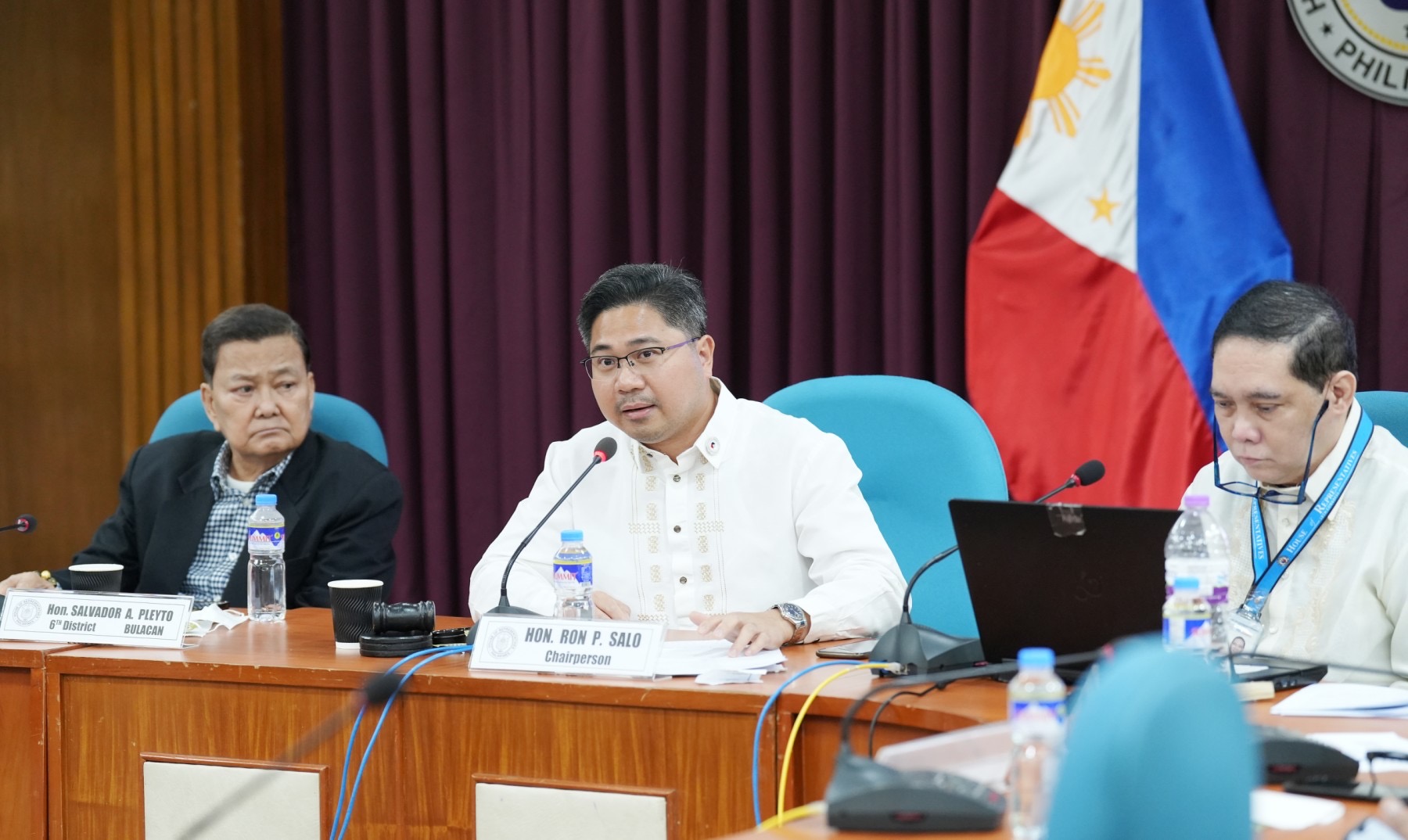 Kabayan Party-list Rep. Ron Salo (Rep. Salo's office)
Kabayan Party-list Rep. Ron Salo has renewed his call for the institutionalization of a national minimum wage for private sector workers, if only to ensure that wage policies reflect the realities faced by ordinary Filipinos.
Salo had this to say Wednesday, April 30, the eve of Labor Day.
He also gave the statement comes on the heels of the unanimous approval by the House Committee on Labor and Employment of a consolidated measure proposing a ₱200 daily wage increase for minimum wage earners.
Salo’s House Bill (HB) No.525 was among those included in the consolidation and originally sought to fix a ₱750 national minimum wage for private sector workers across the country.
“In my original proposal, ₱750 was not a random number—it was based on the need to ensure that workers and their families can live decently in today’s economic conditions,” Salo said.
“While the ₱200 increase is a welcome move, we must continue working toward a truly livable wage for all,” said the veteran congressman.
Salo explained that a national minimum wage would help address long-standing inequalities under the current system, where wage rates vary by region.
“It does not make sense that workers doing the same job in different parts of the country are paid very differently. A national minimum wage sets a fair baseline and recognizes that all work, regardless of where it's done, deserves equal respect and value,” he explained.
The bill also hopes to reduce the migration of workers from the provinces to Metro Manila, where the current minimum wage is higher.
“When wages are more balanced across regions, workers may be encouraged to stay in their hometowns, closer to their families. That way, our cities won’t be as overcrowded, and at the same time, we can breathe more life into local economies in the provinces," he added.
Salo emphasized that the national minimum wage would also not prohibit higher wages being set through collective bargaining or productivity incentives. Moreover, Salo expressed confidence that the growing consensus among labor groups and legislators signals a readiness for broader reform.
“We’re taking steps in the right direction, but we should not lose sight of the bigger goal—a wage policy that truly works for the Filipino worker,” he said.