







Labor of love: Kibungan teacher conquers the mountain of trials


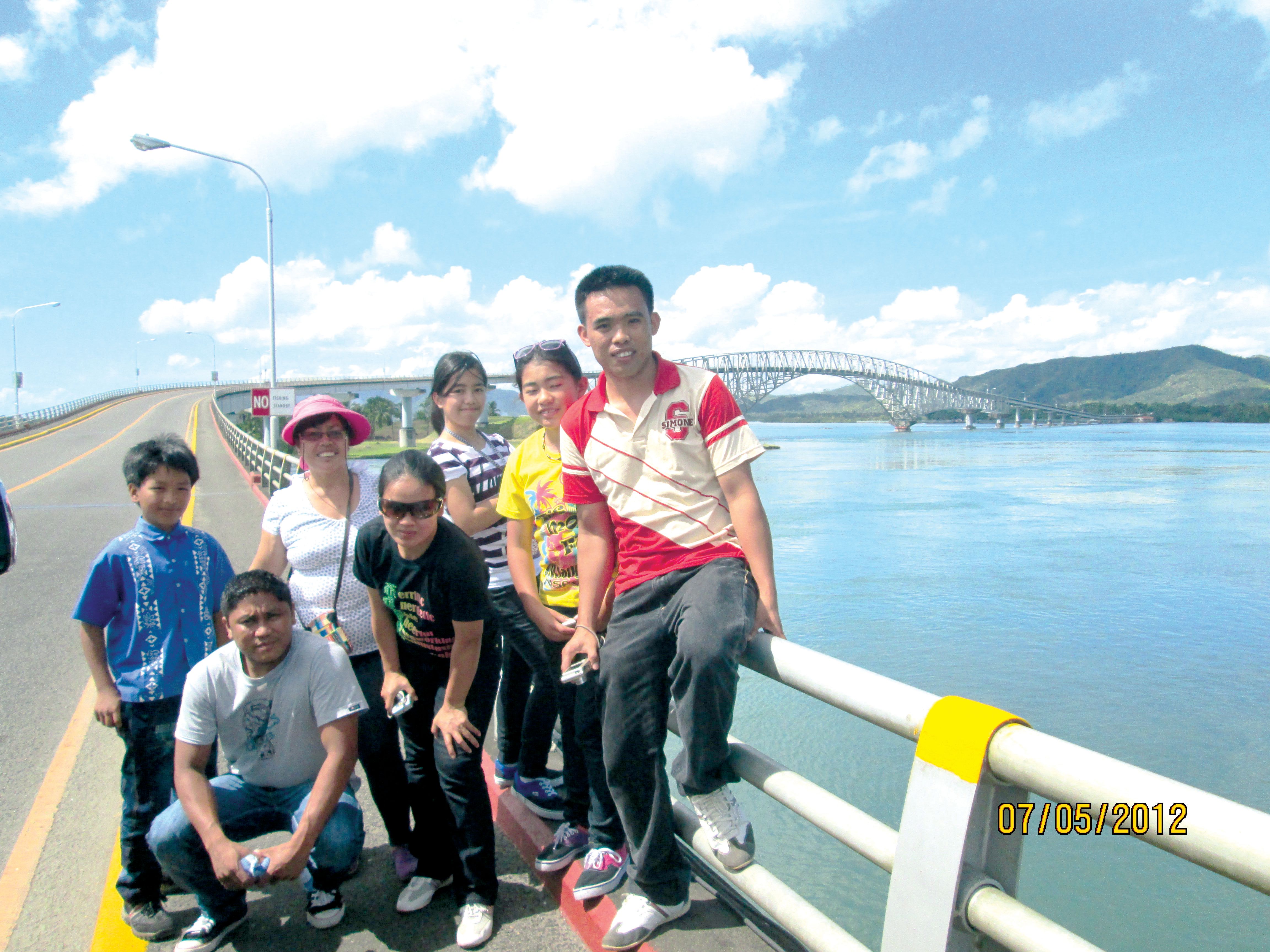
Sheltered in the thick layers of Cordillera mountains, where touching the clouds is never a figment of imagination, one teacher serves the true purpose of his noble profession. Up in a rustic town northwest of the province of Benguet, Martes Calasan has an intense desire of helping young writers become the beacons of hope and the truth-tellers of the future, with nothing dividing him and his burning passion from discovering potentials and reaching the sky full of dreams.
Calasan was born in a small barrio in Kibungan and has since lived his years in the highlands. His father died when he was five and could barely understand the things happening around. His mother, meanwhile, works as a helper at a garden in La Trinidad, a two to three hours commute from their house.
"I was shy because my schoolmates were well-provided," admitted Calasan, now 44 years old. "I stayed with my lola (grandmother) because my mother will just be coming home during Christmas break or when she joined my school programs."
Calasan pursued teaching and was instantly slapped with hardships and realities. Employed under the municipal school board in 2004 when the monthly salary was a meager ₱3,000, he had no alternative but was never impatient. Opportunity knocked on his door when there was a vacancy for a permanent position at Kibungan National High School. For persistent teachers like Calasan, it was a one-way pass toward job security.
But there was a catch that certainly changed the course of his career: accepting the offer would mean him taking the role as the school paper adviser. He had no background in campus journalism, the backbone of the special program he was destined to handle. He had a major in as a college degree— and nothing else.
Yet the young Calasan carried on.
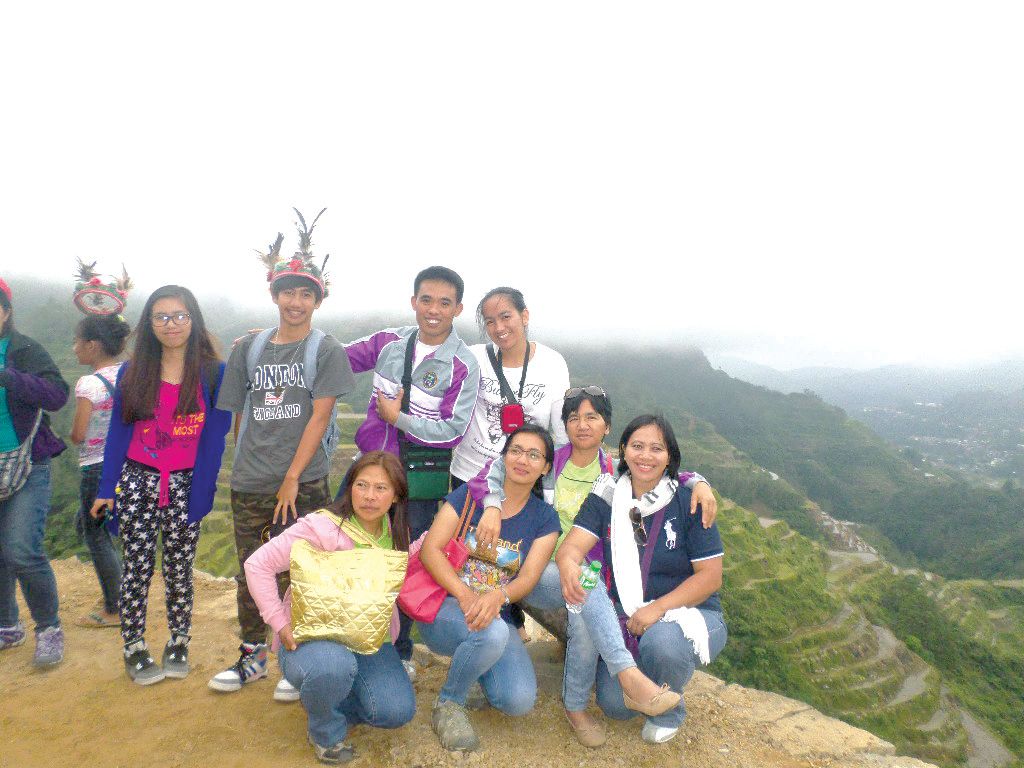
With education a rare commodity in remote municipalities, much more in mountainous areas like Kibungan where farming is often the start and finish of one's humble day, learning journalism is unfamiliar for many. The manicured steps of rice fields on the steep hills spoke loudly of the Cordillerans' ingenious and deep love for agriculture.
It was never too late, however, for Calasan and the generations of students he guided.
Devoted to his new calling, he handpicks aspiring members of the publication through a series of tests and assigns them to different categories that the students could fit in: news writing, editorial or feature writing, sports or science and technology writing. Some are chosen for photojournalism or cartooning, some are selected to television or radio broadcasting teams.
These students will be harnessed, with their skills sharpened to close perfection as they try to win in the division level, regional, and up to the nationals.
Calasan mastered his field and coached champions one after another.
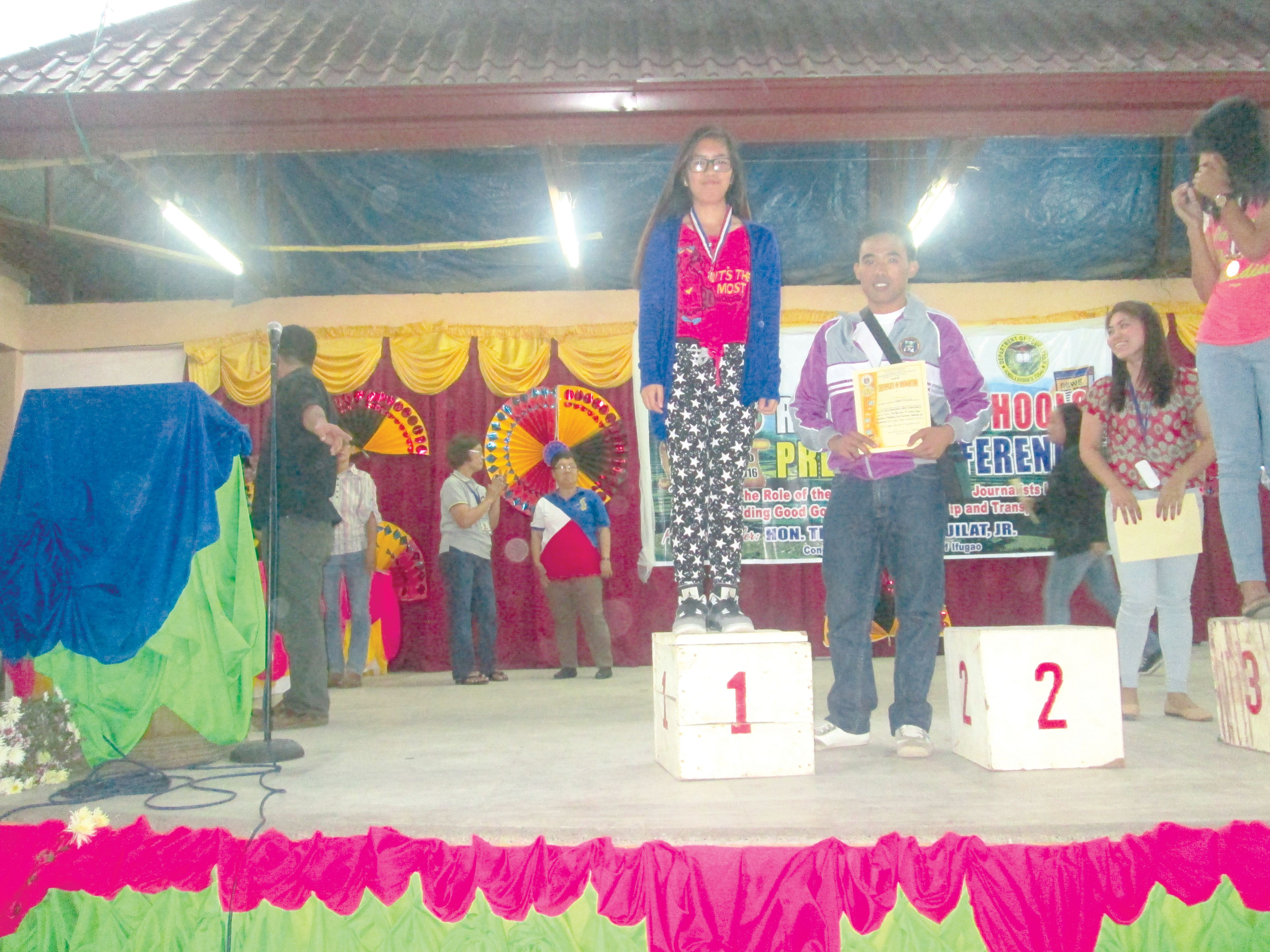
In campus journalism where the National Schools Press Conference is considered both a sacred place for achievers and a battleground for the cream of the crop, he has produced qualifiers and winners altogether, with the competition becoming his yearly voyage to different host cities.
"Sometimes I feel like giving up because campus journalism takes so much time from me, but I always see the fulfilment in the eyes of the students. Guiding them to become good writers is my commitment, seeing them win is just the bonus," he said.
Calasan now has a rank of Master Teacher I, with the promotion he surely deserved due to his courage and hard work. He will never forget the days he questioned his cause, the sleepless nights he dedicated to honing his craft, and the countless moments he shared the stage with his beloved students.
For some it is a thankless job, but teaching is a labor of love.