ADVERTISEMENT

Rice subsidies don't alleviate plight of poor Filipinos—World Bank

Published Apr 29, 2025 06:33 am

RICE PRICES.jpeg

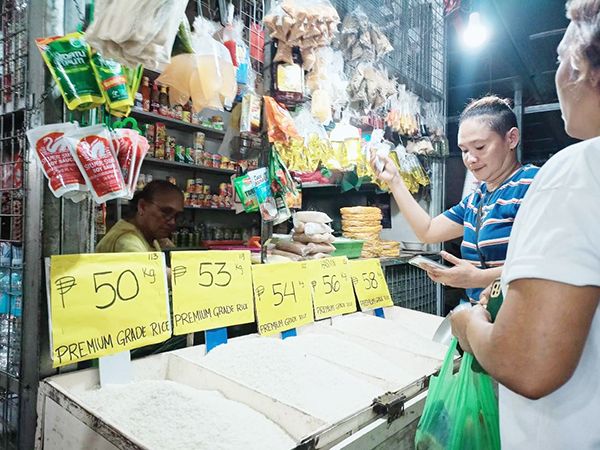
Liberalized rice trade in the Philippines not only pulled prices down but also benefited farmers as well as the poor, according to the World Bank.

The World Bank deems short-term subsidies—like the so-called "NFA rice" of the past—as ineffective in lifting the food-poor from their plight, as long-term reforms are needed to enhance food security, especially of the Filipino food staple, rice.

"Since the reform, rice prices have declined, but production has continued to grow. Paddy production rose by 5.2 percent in the five years after the Rice Tariffication Act, from 2019 to 2023, compared to the previous five years. The poorest Filipinos benefited the most," the Washington-based multilateral lender said in an April 26 report titled "Strengthening Strategic Grain Reserves to Enhance Food Security."

The Rice Tariffication Law, enacted in 2019, scrapped the import quota or so-called quantitative restriction (QR) slapped on rice for decades, which had shielded local farmers from imports while ballooning the state-run National Food Authority's (NFA) debts for subsidizing the NFA rice varieties that had been sold in markets.

"In-kind food distribution programs do not necessarily offset the effects of high food prices, with implications for poverty. The recent experience of the Philippines from the 2019 rice tariffication and liberalization of rice import confirms these points. The NFA's subsidized rice accounted for a small share of the country's rice consumption, with the first two poorest quantiles suffering the most from high rice prices," the World Bank pointed out.

"When rice prices declined by 17 percent due to the reforms, the poorest households benefited the most" due to the relief from food inflation, it added. Food accounts for nearly two-fifths of Filipino households' expenditures, while rice alone already comprises one-fifth of food inflation.

When the Rice Tariffication Law was first implemented, the food staple experienced deflation, or lower year-on-year prices. However, farmers have been beset by tough competition from an influx of cheaper imported rice, prompting the Marcos administration to revisit the law.

The World Bank also pointed to fiscal gains, as rice tariffication provided some relief to the NFA from its mounting debts prior to the law.

"The multiple policy goals of the NFA—such as stabilizing prices, supporting self-sufficiency, and controlling imports—has caused economic distortions, fiscal difficulties, and welfare losses, contributing to public debt and price volatility until the rice importation reforms in 2019," the World Bank said.

"The NFA did not recover its stockpiling and distribution costs, requiring subsidies from the government. Since 2019, the NFA's mandate changed from buying imported rice to procuring only domestically and selling its stocks to agencies involved in disaster-relief operations. Even with this narrow mandate, the NFA continues relying on fiscal outlays to continue its operations," it added.

"By 2023, the negative government net equity in the NFA balance sheet reached ₱116 billion, or $2 billion," it noted.

Also, the World Bank said the law's "transparent" tariff regime has been generating additional revenues that not only safeguard local rice farmers but also improve their productivity, referring to the availability of the annual Rice Competitiveness Enhancement Fund (RCEF).

Before the Rice Tariffication Law, the World Bank noted that "the Philippines strictly regulated rice imports, leading to high and volatile prices."

"As a staple food, rice production was heavily protected, with the NFA as the sole importer. These restrictions led to high import costs and timing issues relative to domestic demand, resulting in price disparities with international markets, smuggling, and discouraging domestic market investment," it said.

"Rice prices in the Philippines consistently exceeded international export prices from Thailand and Vietnam, with the gap widening over time. Consequently, the agricultural sector stagnated, with slow productivity growth and limited poverty reduction," it added.

Related Tags

National Food Authority (NFA) NFA rice World Bank Rice Competitiveness Enhancement Fund (RCEF) Rice Tariffication Law (RTL)
ADVERTISEMENT
.most-popular .layout-ratio{ padding-bottom: 79.13%; } @media (min-width: 768px) and (max-width: 1024px) { .widget-title { font-size: 15px !important; } }

{{ articles_filter_1561_widget.title }}

.most-popular .layout-ratio{ padding-bottom: 79.13%; } @media (min-width: 768px) and (max-width: 1024px) { .widget-title { font-size: 15px !important; } }

{{ articles_filter_1562_widget.title }}

.most-popular .layout-ratio{ padding-bottom: 79.13%; } @media (min-width: 768px) and (max-width: 1024px) { .widget-title { font-size: 15px !important; } }

{{ articles_filter_1563_widget.title }}

{{ articles_filter_1564_widget.title }}

.mb-article-details { position: relative; } .mb-article-details .article-body-preview, .mb-article-details .article-body-summary{ font-size: 17px; line-height: 30px; font-family: "Libre Caslon Text", serif; color: #000; } .mb-article-details .article-body-preview iframe , .mb-article-details .article-body-summary iframe{ width: 100%; margin: auto; } .read-more-background { background: linear-gradient(180deg, color(display-p3 1.000 1.000 1.000 / 0) 13.75%, color(display-p3 1.000 1.000 1.000 / 0.8) 30.79%, color(display-p3 1.000 1.000 1.000) 72.5%); position: absolute; height: 200px; width: 100%; bottom: 0; display: flex; justify-content: center; align-items: center; padding: 0; } .read-more-background a{ color: #000; } .read-more-btn { padding: 17px 45px; font-family: Inter; font-weight: 700; font-size: 18px; line-height: 16px; text-align: center; vertical-align: middle; border: 1px solid black; background-color: white; } .hidden { display: none; }
function initializeAllSwipers() { // Get all hidden inputs with cms_article_id document.querySelectorAll('[id^="cms_article_id_"]').forEach(function (input) { const cmsArticleId = input.value; const articleSelector = '#article-' + cmsArticleId + ' .body_images'; const swiperElement = document.querySelector(articleSelector); if (swiperElement && !swiperElement.classList.contains('swiper-initialized')) { new Swiper(articleSelector, { loop: true, pagination: false, navigation: { nextEl: '#article-' + cmsArticleId + ' .swiper-button-next', prevEl: '#article-' + cmsArticleId + ' .swiper-button-prev', }, }); } }); } setTimeout(initializeAllSwipers, 3000); const intersectionObserver = new IntersectionObserver( (entries) => { entries.forEach((entry) => { if (entry.isIntersecting) { const newUrl = entry.target.getAttribute("data-url"); if (newUrl) { history.pushState(null, null, newUrl); let article = entry.target; // Extract metadata const author = article.querySelector('.author-section').textContent.replace('By', '').trim(); const section = article.querySelector('.section-info ').textContent.replace(' ', ' '); const title = article.querySelector('.article-title h1').textContent; // Parse URL for Chartbeat path format const parsedUrl = new URL(newUrl, window.location.origin); const cleanUrl = parsedUrl.host + parsedUrl.pathname; // Update Chartbeat configuration if (typeof window._sf_async_config !== 'undefined') { window._sf_async_config.path = cleanUrl; window._sf_async_config.sections = section; window._sf_async_config.authors = author; } // Track virtual page view with Chartbeat if (typeof pSUPERFLY !== 'undefined' && typeof pSUPERFLY.virtualPage === 'function') { try { pSUPERFLY.virtualPage({ path: cleanUrl, title: title, sections: section, authors: author }); } catch (error) { console.error('ping error', error); } } // Optional: Update document title if (title && title !== document.title) { document.title = title; } } } }); }, { threshold: 0.1 } ); function showArticleBody(button) { const article = button.closest("article"); const summary = article.querySelector(".article-body-summary"); const body = article.querySelector(".article-body-preview"); const readMoreSection = article.querySelector(".read-more-background"); // Hide summary and read-more section summary.style.display = "none"; readMoreSection.style.display = "none"; // Show the full article body body.classList.remove("hidden"); } document.addEventListener("DOMContentLoaded", () => { let loadCount = 0; // Track how many times articles are loaded const offset = [1, 2, 3, 4, 5, 6, 7, 8, 9, 10]; // Offset values const currentUrl = window.location.pathname.substring(1); let isLoading = false; // Prevent multiple calls if (!currentUrl) { console.log("Current URL is invalid."); return; } const sentinel = document.getElementById("load-more-sentinel"); if (!sentinel) { console.log("Sentinel element not found."); return; } function isSentinelVisible() { const rect = sentinel.getBoundingClientRect(); return ( rect.top < window.innerHeight && rect.bottom >= 0 ); } function onScroll() { if (isLoading) return; if (isSentinelVisible()) { if (loadCount >= offset.length) { console.log("Maximum load attempts reached."); window.removeEventListener("scroll", onScroll); return; } isLoading = true; const currentOffset = offset[loadCount]; window.loadMoreItems().then(() => { let article = document.querySelector('#widget_1690 > div:nth-last-of-type(2) article'); intersectionObserver.observe(article) loadCount++; }).catch(error => { console.error("Error loading more items:", error); }).finally(() => { isLoading = false; }); } } window.addEventListener("scroll", onScroll); });

Sign up by email to receive news.