







DepEd leverages AI to identify disabilities early in schools


The Department of Education (DepEd) is harnessing artificial intelligence (AI) to enhance the early detection of disabilities in students across the Philippines.
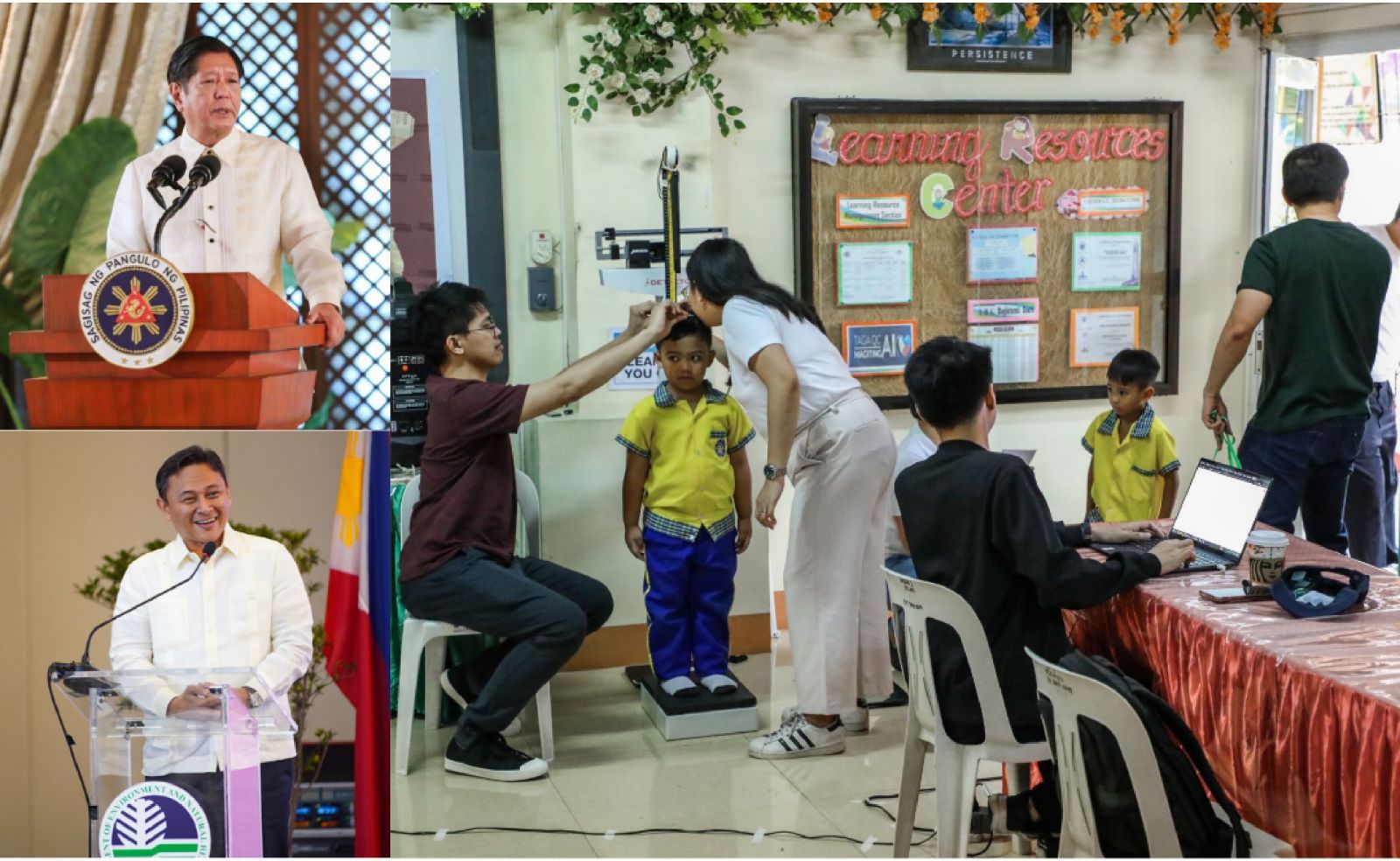
In a statement issued on Monday, April 28, DepEd announced that its Education Center for AI Research (ECAIR) is developing the Screening using AI-Based Assistance for Young Children (SABAY) Project to modernize the identification of learners at risk of disabilities and strengthen the inter-agency's efforts for the Child Find System, as mandated by Republic Act No. 11650.
“Through the SABAY Project, we reaffirm our mission that every Filipino child—regardless of ability—deserves timely support and access to quality education,” DepEd Secretary Sonny Angara said. “We are ensuring that learners with disabilities are no longer left behind,” he added.
The SABAY Project uses artificial intelligence to enable faster and more accurate disability screening, significantly reducing teachers' workloads while ensuring timely interventions and referrals for Filipino children.
Empowering schools with AI technology
ECAIR Managing Director Erika Legara explained that the SABAY Project is still in its early stages.
The ECAIR is actively collaborating with DepEd’s Bureau of Learning Delivery – Student Inclusion Division (BLD-SID), education experts, healthcare professionals, and special education practitioners to design and develop the AI system.
“We’re designing ways to automate parts of the screening process to help make school-level decision-making more efficient,” Legara explained. “The focus is on producing outputs that are interpretable and useful in real-world settings—especially when they inform how support should be extended to learners,” she added.
By incorporating AI technology into disability screening, the SABAY Project promises to create a more efficient and inclusive educational environment, ensuring that children at risk are identified early and supported appropriately.
Pilot testing and plans
The architecture and design of the AI system for SABAY are being finalized, according to DepEd.
Initial pilot testing and data collection will be conducted in selected schools across Metro Manila, with plans to expand to other regions nationwide.
DepEd said this phased rollout ensures that the tool is tested, refined, and optimized for the diverse needs of Filipino learners.
Stronger support for learners with special needs and disabilities
In a move to better empower and assist students with special needs and disabilities, DepEd said it is intensifying its initiatives to enhance support services for learners with disabilities across the Philippines.
Angara emphasized the agency’s commitment to inclusive education and digital innovation during a recent meeting of the Inter-Agency Coordinating Council for Learners with Disabilities.
“The Department is fully committed to harnessing technology not only for instruction but also for decision-making, resource planning, and inclusive service delivery,” Angara said.
The initiative, DepEd said, aims to empower and support learners with special needs and disabilities, ensuring they have equal access to education, resources, and opportunities they need to thrive.
The Council is composed of representatives from the DepEd, Department of Health (DOH), Department of Social Welfare and Development (DSWD), Department of Public Works and Highways (DPWH), Department of the Interior and Local Government (DILG), Department of Finance (DOF), National Council on Disability Affairs (NCDA), Department of Labor and Employment (DOLE), Technical Education and Skills Development Authority (TESDA), Early Childhood Care and Development Council (ECCD), Commission on Higher Education (CHED), and Professional Regulation Commission (PRC).
SPED Centers, other initiatives
With a goal of expanding access to special educational resources in every municipality and city, a key focus of DepEd is the conversion of SPED Centers into Inclusive Learning Resource Centers (ILRCs).
DepEd said plans are "underway to establish virtual and satellite ILRCs and institutionalize multi-disciplinary teams backed by sustained funding to ensure enhanced service delivery."
The agency said it is also strengthening the Alternative Delivery Modes (ADM) and the Alternative Learning System (ALS) for learners with disabilities, with a focus on capacity-building, policy monitoring, and the integration of assistive technology and AI in classrooms to deliver personalized learning experiences.
Moreover, DepEd said it is collaborating with government agencies, academic institutions, and the private sector to enhance Special Needs Education (SNEd) training for educators and expand access to learning materials.
These proactive efforts, DepEd said, reflect the government's strong commitment to inclusive education and the protection of the rights of children with disabilities.