






 Philippines
National
Balikatan: AFP trains personnel how to evacuate casualties at sea
Philippines
National
Balikatan: AFP trains personnel how to evacuate casualties at sea
Balikatan: AFP trains personnel how to evacuate casualties at sea


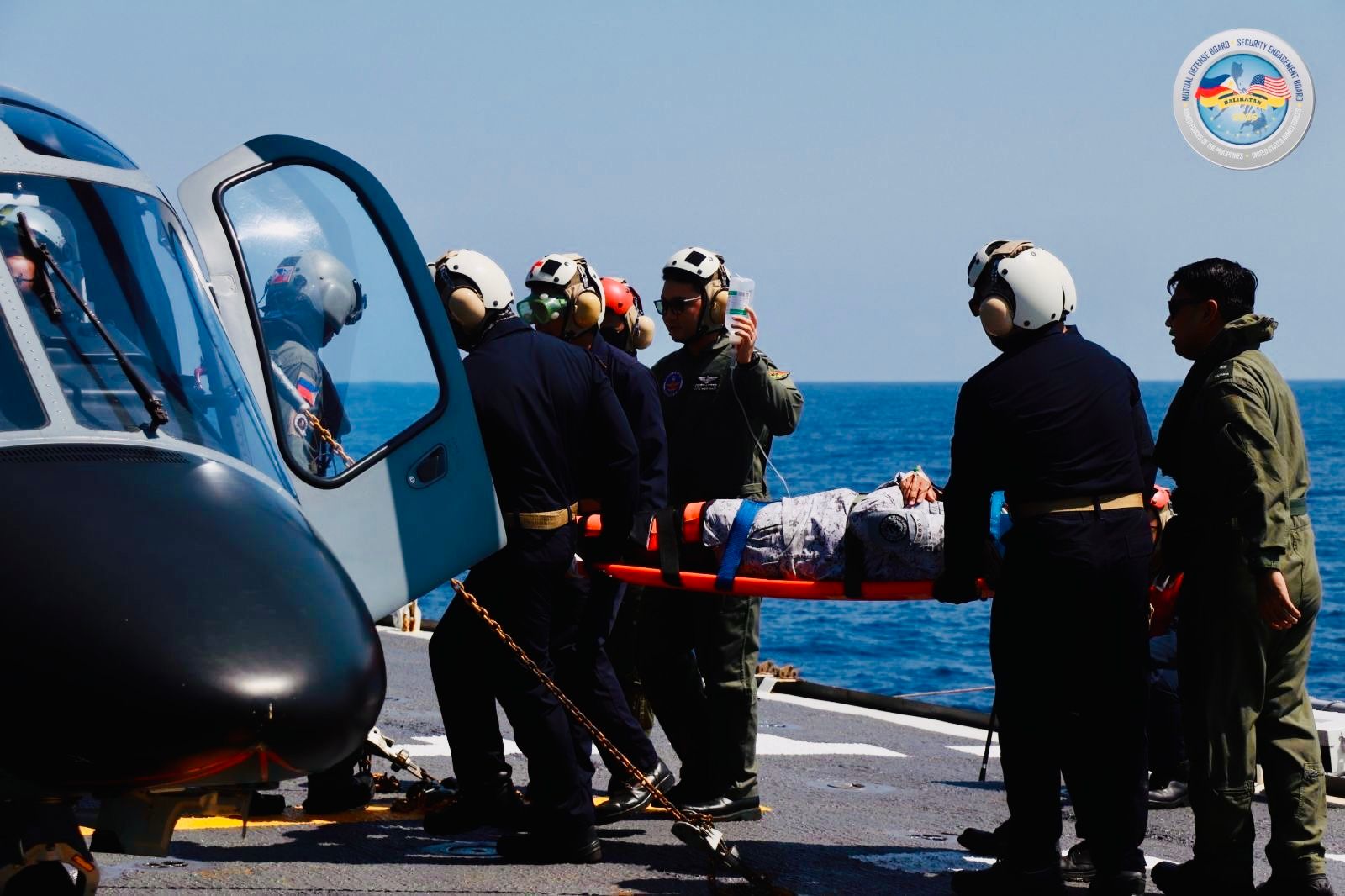
The Armed Forces of the Philippines (AFP) on Monday, April 28, tested the capability of its personnel to evacuate casualties at sea during a maritime drill held off the coast of Luna, La Union as part of the ongoing Balikatan Exercises.
Lt. Col. John Paul Salgado, chief of Balikatan Exercises’ combined joint information bureau, said that through the Casualty Evacuation (Casevac) exercise, the participants honed their ability to manage critical incidents and save lives, emphasizing the crucial role of integrated maritime responses during crises.
A scenario involved the evacuation of two injured Philippine Navy (PN) personnel aboard BRP Ramon Alcaraz (PS-16) after they supposedly fell from the stairs and were rendered non-ambulatory.
Medical personnel from the PN assisted the injured troops and boarded them to an AgustaWestland (AW) 109 aircraft for a medical evacuation (medevac).
The exercise took place at approximately 20 nautical miles northwest of Darigayus Point in Luna town.
“By building trust and improving joint proficiency in CASEVAC procedures, Balikatan reinforces the collective commitment to security and humanitarian assistance across the region,” Salgado said.
Replenishment at sea
Meanwhile, participating vessels from the AFP, Philippine Coast Guard (PCG), United States Armed Forces, and Japan Maritime Self-Defense Force (JMSDF) conducted a replenishment at sea (RAS) and photo exercise off the coast of Zambales on April 27.
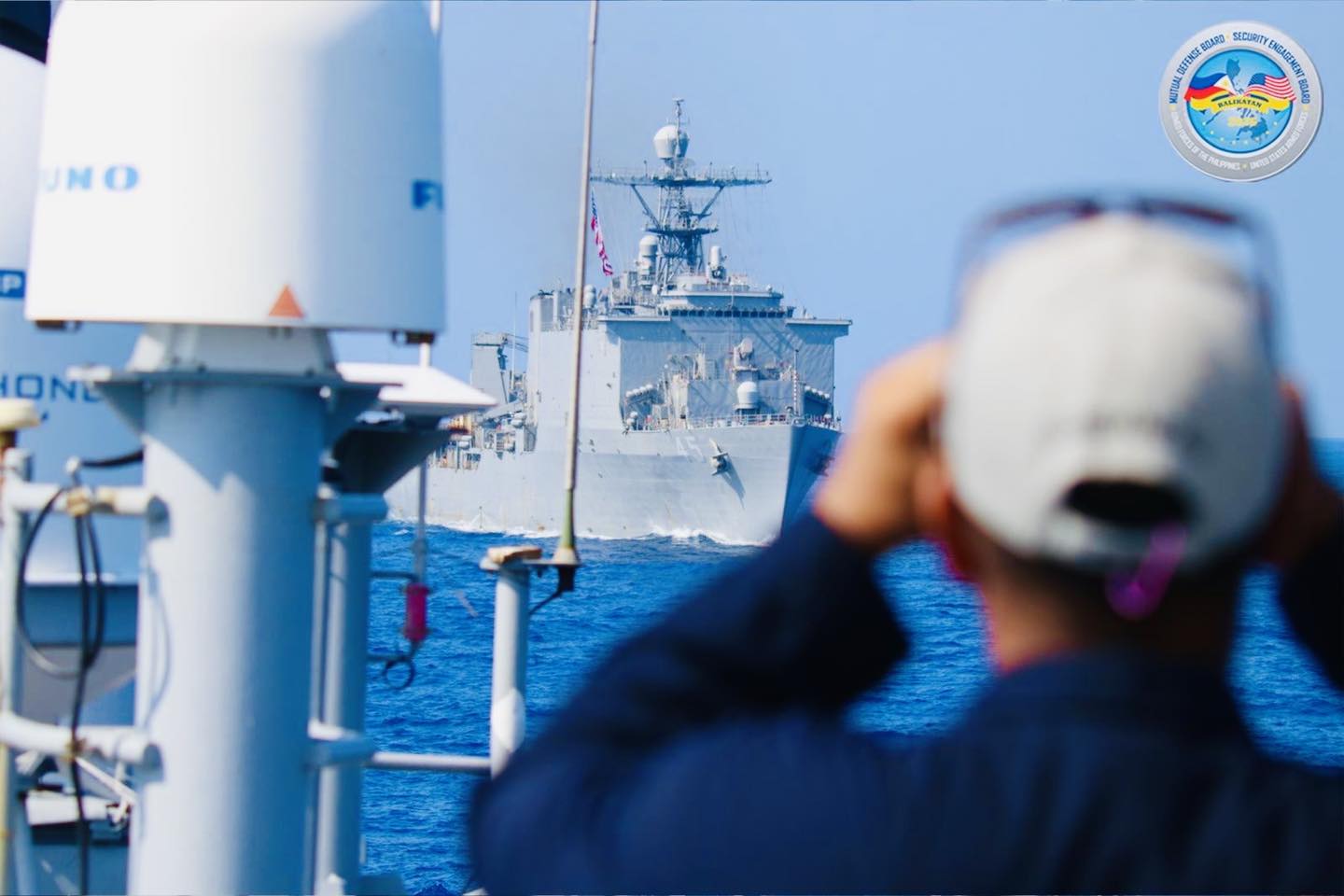
The activities showcased coordinated ship maneuvers, formation sailing, and underway replenishment, demonstrating the high level of interoperability among participating forces.
Integrated air and missile defense
The AFP and US Armed Forces also held an integrated air and missile defense training at the Naval Education, Training and Doctrine Command (NETDC) in Zambales.
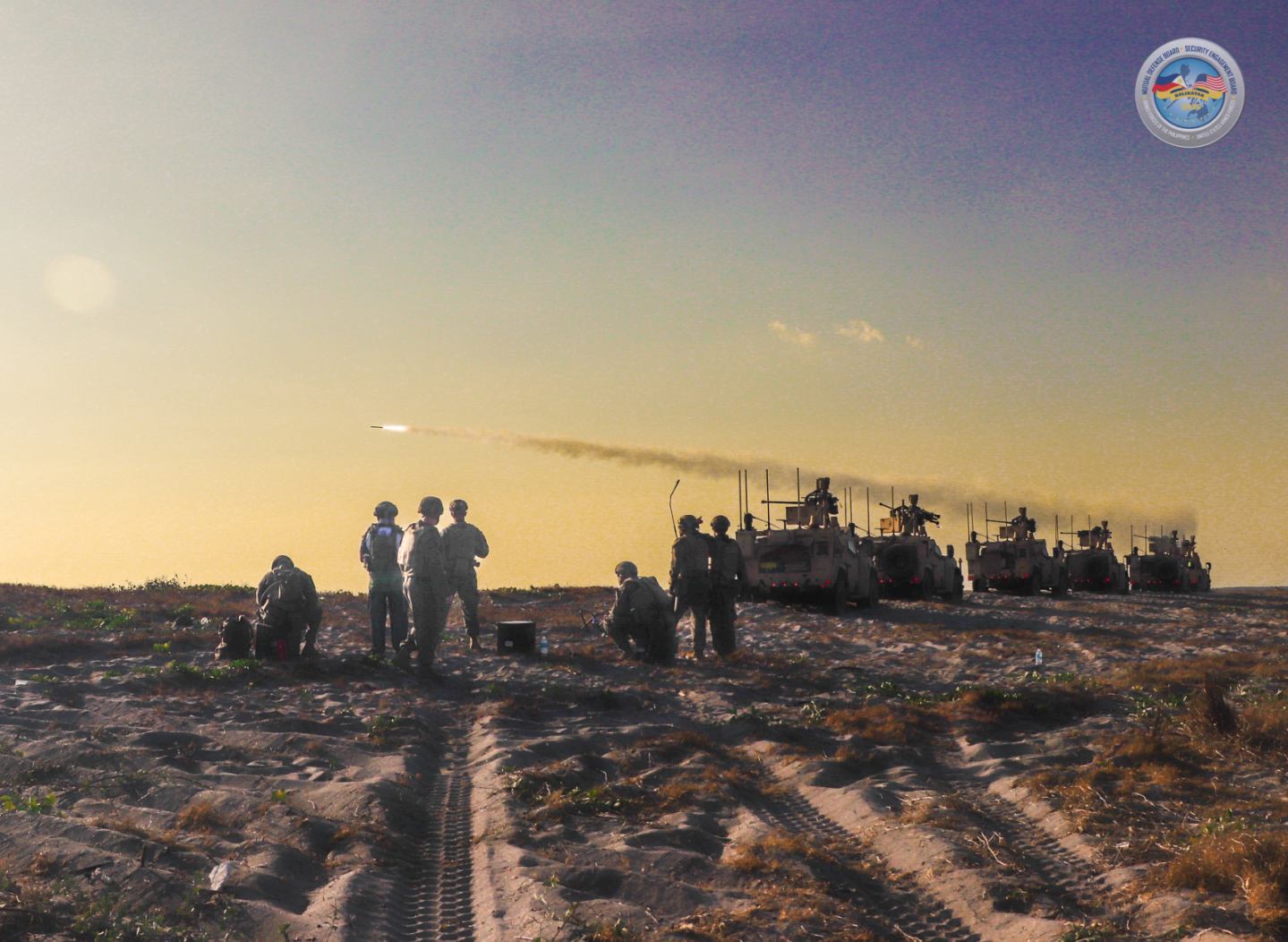
During the exercise, AFP and US forces worked together to detect and engage targets using the Philippine Air Force's Spyder air defense system and various ground-based air defense systems.
The US forces also showcased various counter-unmanned aerial systems (c-UAS) technologies, which are intended to identify unauthorized airspace activity and strengthen force protection for both Philippine and U.S. troops.
The activity also utilized the Marine Air Defense Integrated System (MADIS), a U.S. Marine Corps air defense system designed to detect, track, identify, and neutralize aerial threats—especially drones (UAS), helicopters, and low-flying aircraft.
At the Command and Control Fusion Center at Basa Air Base in Floridablanca, Pampanga, AFP Chief of Staff General Romeo S. Brawner Jr. and Philippine Army Commanding General Lt. Gen. Roy Galido observed the incorporation of combined capabilities of both AFP and US forces through improved communication and integration of air-defense systems.