







Palace confirms: Marcos shouldered Nora Aunor's hospital bills


At A Glance
- In a text message to reporters, Communications Senior Undersecretary Ana Puod clarified that it was not the Philippine Charity Sweepstakes Office (PCSO) that shouldered the costs.
Malacañang has confirmed that President Marcos covered the hospital expenses of the late National Artist Nora Aunor.
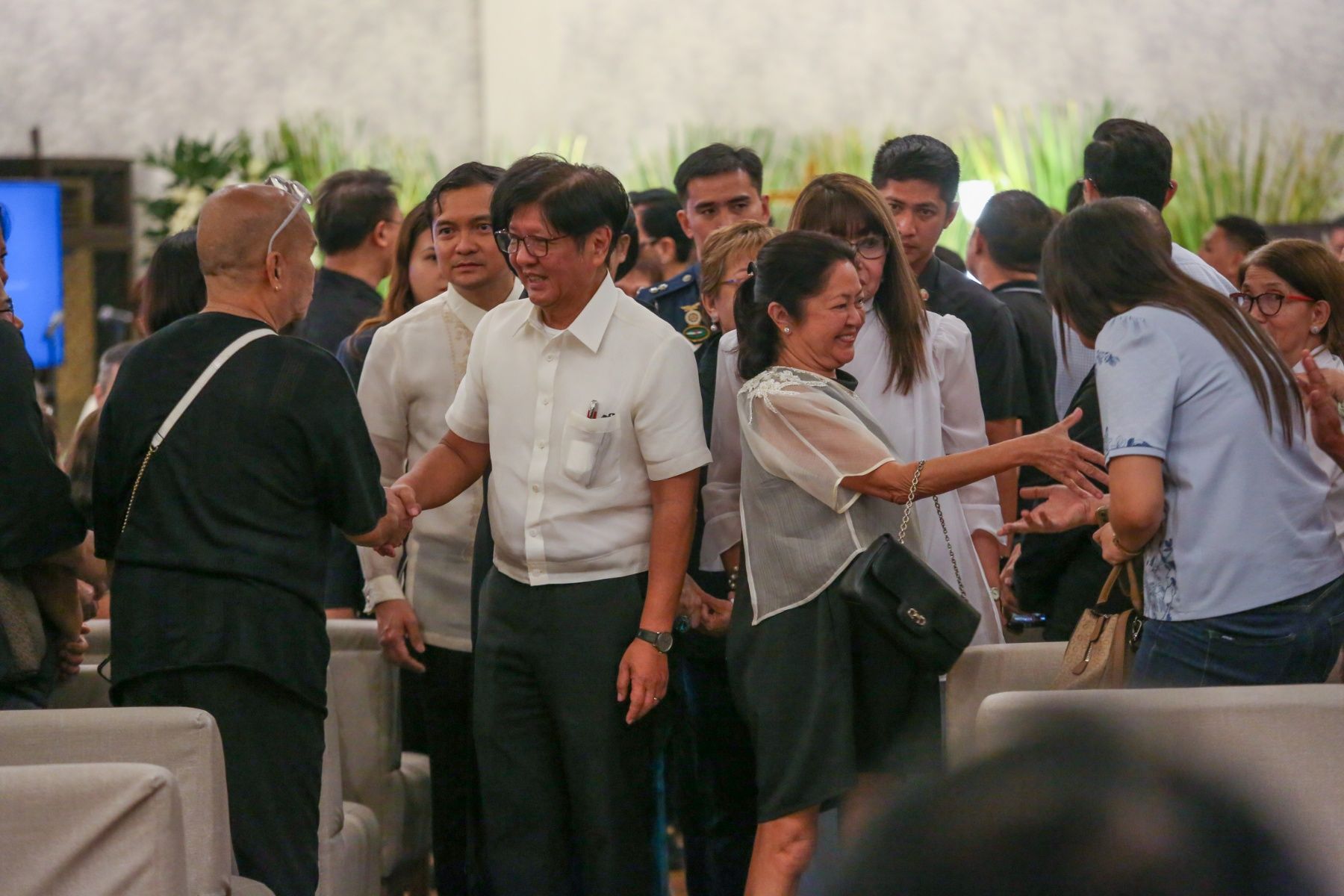 President Ferdinand 'Bongbong' Marcos Jr. and First Lady Liza Araneta-Marcos visit the wake of National Artist Nora Aunor.
In a text message to reporters, Communications Senior Undersecretary Ana Puod clarified that it was not the Philippine Charity Sweepstakes Office (PCSO) that shouldered the costs.
“As per GM Mel (General Manager Mel Robles), ‘di PCSO ang nag-shoulder kundi si Presidente/OP (According to GM Mel, it was not the PCSO that shouldered the expenses, but the President/Office of the President),” she said on Sunday, April 27.
“‘Di lang yung hospital bill ‘yan pati ibang utang at ibang expenses daw galing sa personal na pera ni PBBM ‘yan (Not just the hospital bills but the other expenses came from President Marcos’ personal expenses),” she added.
The Palace, however, did not disclose the exact amount shouldered by the President or any additional assistance extended to Aunor’s family.
Malacañang’s clarification came following online speculation that government agencies like the PCSO were responsible for Aunor’s hospital fees.
Nora Aunor, known as the “Superstar” of Philippine cinema, died on April 16 at the age of 71 due to acute respiratory failure following a medical procedure.
She was declared a National Artist for Film and Broadcast Arts in 2022 under the administration of President Marcos.
As a National Artist, Aunor was entitled to several benefits, including a one-time cash award of ₱200,000, a monthly life pension of ₱30,000, medical and hospitalization benefits not exceeding ₱750,000 per year, and life insurance coverage for awardees who are still insurable.
Additionally, National Artists are granted a state funeral, with arrangements and expenses borne by the government, and a place of honor in state functions and cultural presentations.