






 Philippines
National
Romualdez tells LGUs: Copy Camiguin model for P20-per-kilo rice
Philippines
National
Romualdez tells LGUs: Copy Camiguin model for P20-per-kilo rice
Romualdez tells LGUs: Copy Camiguin model for P20-per-kilo rice


At A Glance
- House Speaker Martin Romualdez has asked local government units (LGU) all over the country to study the model implemented by Camiguin, which has successfully implemented P20-per-kilo rice initiative
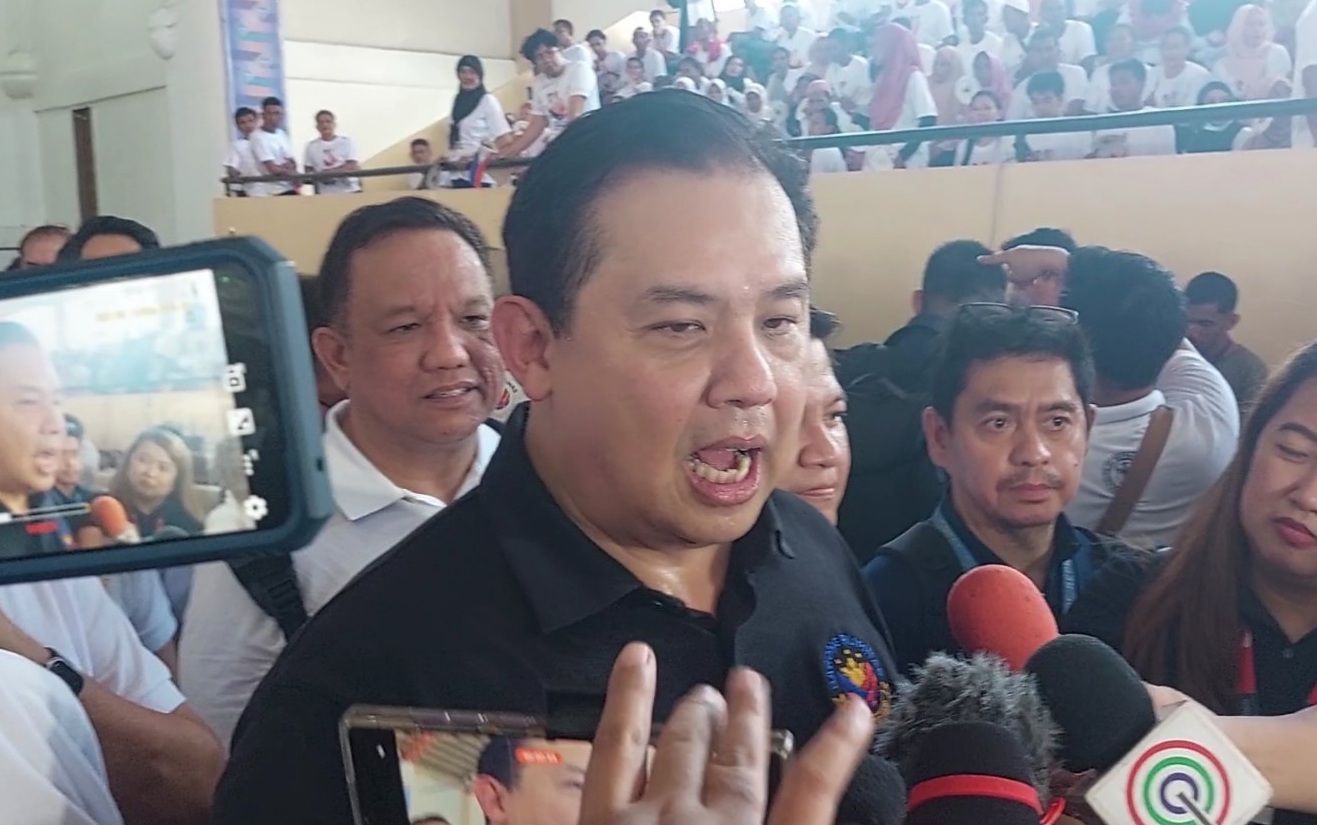 House Speaker Martin Romualdez (Ellson Quismorio/ MANILA BULLETIN)
House Speaker Martin Romualdez has asked local government units (LGU) all over the country to study the model implemented by Camiguin, which has successfully implemented P20-per-kilo rice initiative
“Ang panawagan ko sa ating mga LGU: pag-aralan ninyo ang modelong ito. Kami sa Kongreso ay handang tumulong sa pagbuo ng pondo at patakaran para mailunsad ito sa inyong mga komunidad,” Romualdez said in a statement Friday, April 26.
(My appeal to our LGUs: study this model. We in Congress are ready to help in creating funds and policies to launch this in your communities.)
“Instead of giving out cash that may not go directly to food, this system ensures the ayuda reaches the dinner table,” Romualdez said. “Mas mainam kung bigas ang mismong naipapamigay—nakakabusog, nakakatulong, at tiyak ang patutunguhan.”
(It is better if rice itself is given—it satisfies hunger, provides help, and ensures it reaches its intended purpose.)
The Speaker, who leads the House of Representatives, is arguably the top lieutenant of Marcos, who back in 2022 vowed to reduce rice prices to P20 per kilo. Rice is the Filipino staple food.
Romualdez jas commended Camiguin Governor Xavier Jesus Romualdo and Congressman Jurdin Jesus Romualdo for taking the lead in implementing the program, which has already helped hundreds of families buy affordable rice across multiple municipalities.
“The Camiguin model demonstrates the effectiveness of coordinated efforts among national agencies, LGUs, and private sector partners in delivering tangible benefits to the people. It’s a blueprint worth replicating nationwide,” he stressed.
Under the proposed program announced by Department of Agriculture (DA) Secretary Tiu Laurel, the DA, in partnership with Food Terminal Inc. (FTI) and participating LGUs, will shoulder the price difference between the market rate and the subsidized P20 per kilo. This collaborative funding mechanism aims to make the program sustainable and scalable nationwide.
Romualdez said the Camiguin model, on the other hand, demonstrated how strategic collaboration among local governments, the Department of Social Welfare and Development (DSWD), and local retailers can make food more affordable for ordinary Filipinos.
“If it works in Camiguin, it can work across the country. This is a clear example of how the national government, LGUs, and private retailers can come together to deliver direct, practical relief to Filipino families," said the Leyte 1st district congressman.
Under the program, identified low-income households are issued ID cards allowing them to buy rice from accredited retailers at a subsidized rate—bringing the cost down by up to 50 percent.
The discount is shouldered through a fund supported by local and national agencies, particularly DSWD, while retailers are enlisted and supported to ensure a steady supply of quality rice at lower prices.
Romualdez said the House of Representatives is prepared to push for sufficient funding in the 2026 national budget to institutionalize this rice subsidy system, in coordination with DSWD and local governments.