






 Philippines
National
NCRPO apprehends over 1.1-M violators of Metro Manila ordinances
Philippines
National
NCRPO apprehends over 1.1-M violators of Metro Manila ordinances
NCRPO apprehends over 1.1-M violators of Metro Manila ordinances


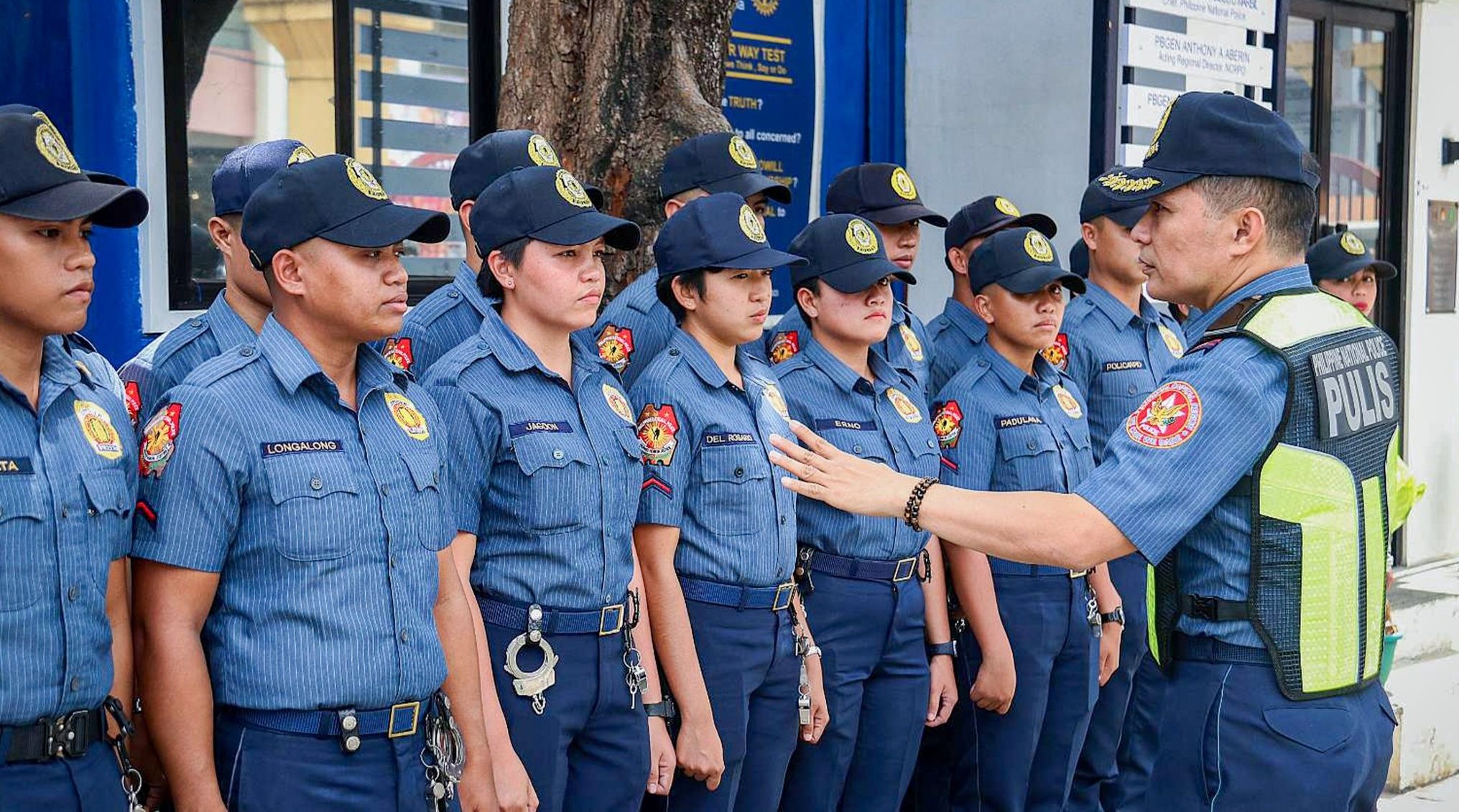
Around 1.1 million violators of local ordinances in Metro Manila were arrested in the past five months, most of the violations are drinking and smoking in public places, and roaming the streets without shirts, the National Capital Region Police Office (NCRPO) said.
NCRPO director Maj. Gen. Anthony A. Aberin said the aggressive implementation of the local ordinances in Metro Manila from November 23, 2024, to April 23, 2025, which resulted in the apprehension of a total of 1,179,854 violators, was aimed at maintaining order and promoting lawful behavior within the community.
“NCRPO is not simply enforcing laws, we are shaping a culture of discipline and respect for community values in Metro Manila,” said Aberin.
A total of 415,205 violators were collared for drinking and smoking in public places while a total of 121,046 were apprehended for roaming the streets without shirts.
Police also arrested 106,455 people for urinating and littering while 115,287 minors were apprehended for violating curfew hours.
Meanwhile, among the five police districts, the Southern Police District (SPD) led enforcement efforts, reporting 564,839 total violations, followed by the Northern Police District (NPD) with 293,468 violations and Quezon City Police District (QCPD) with 135,254.
SPD covers Makati City, Parañaque City, Taguig City, Pasay City, Las Piñas City, Muntinlupa and Pateros. The NPD on the other hand, covers the areas of Caloocan, Malabon, Navotas and Valenzuela.
Based on the NCRPO data, SPD also took the lead in curfew enforcement, logging 93,698 violations, and karaoke-related disturbances beyond permitted hours with 16,079 incidents.
Meanwhile, QCPD was at the forefront in enforcing City Ordinance Traffic Codes, tallying 122,215 violators.
Of the 1.1 million apprehended, Aberin said a total of 433,269 violators were fined while a total of 14,576 were charged.
“A considerable majority—732,009—were either warned or released after being reminded of the rules,” said Aberin.
“This balanced strategy highlights NCRPO’s commitment to not only impose discipline but also educate the public to foster lasting behavioral change,” he added.
Aberin’s order for aggressive implementation of Metro Manila ordinances was anchored on the “Broken Windows Theory” which basically means that more serious crimes like robbery, murder and other violent actions start from simple misdemeanors and non-violent breaking of rules and regulations—and thus, must be acted upon in the soonest possible time.
In implementing Metro Manila ordinances, Aberin said he ordered police commanders to amplify the presence of uniformed personnel with intensified foot patrols, continued visibility in key areas, and widespread community education campaigns.