ADVERTISEMENT

Jesus is not a zombie

Published Apr 26, 2025 10:21 pm

THROUGH UNTRUE

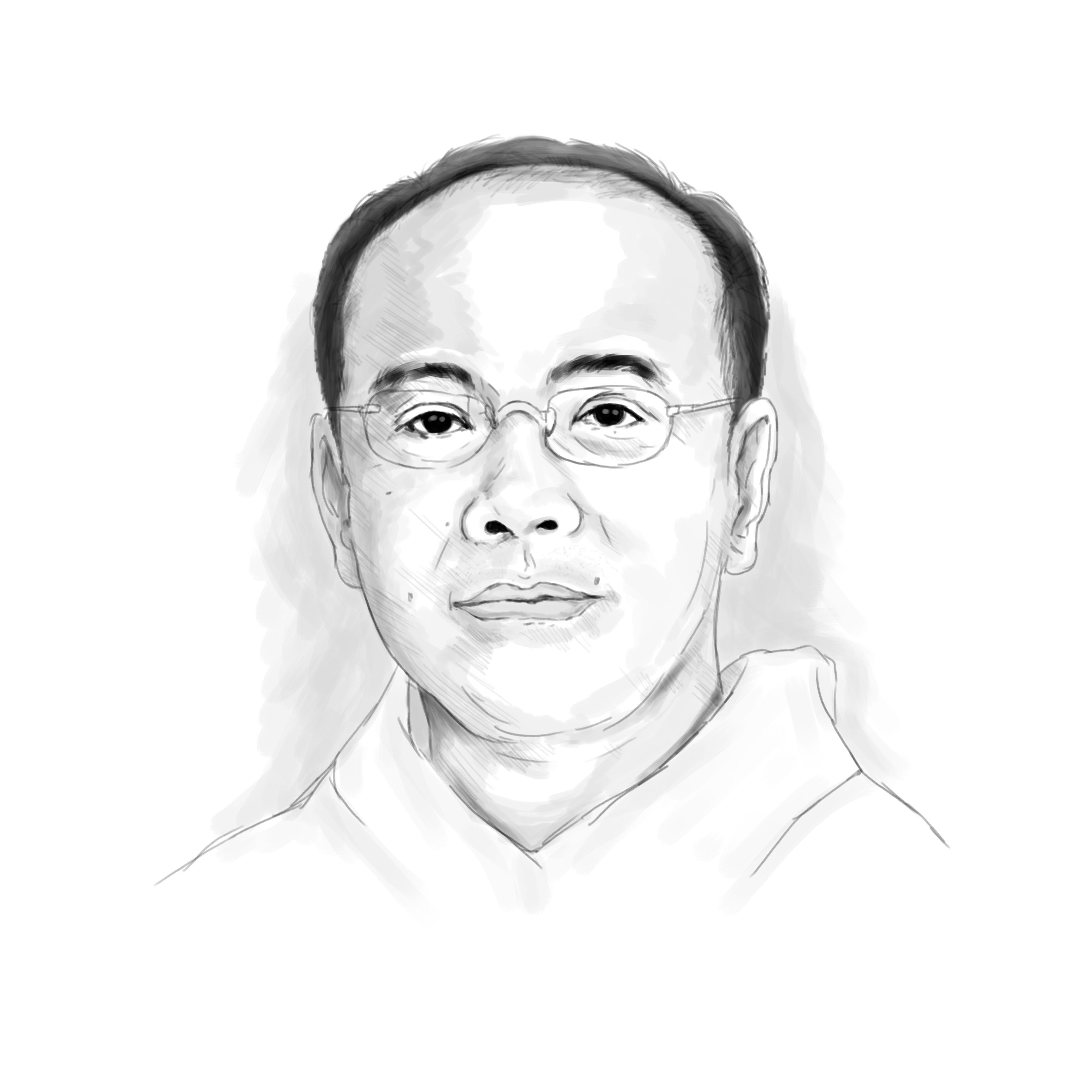
Fr_Rolando_Dela_Rosa_91fccdfab5.jpg

Many people who do not believe in the resurrection dismiss Jesus as some kind of zombie. The word “zombie” originates from West Africa and was carried to the Caribbean through the transatlantic slave trade. In folklore, zombies are thought to be corpses reanimated by curses, viruses, or dark magic. Stripped of their humanity, they lack consciousness, will, or moral compass, spreading death and destruction through their violent aggression.


In stark contrast, the resurrected Jesus, as portrayed in today’s Gospel reading (John 20:19-31), is not a grotesque, decaying, flesh-eating corpse, but a glorified and transformed Being. He appears to His disciples, converses with them, teaches them, and even shares meals with them. He is visible and physically present, making His deep compassion, mercy, and forgiveness available to everyone. While zombies rise from the grave to bring fear and horror, the risen Christ brings new life, vibrant hope, and contagious joy.


Jesus’s resurrection affirms our belief in eternal life and God’s power to redeem and renew. Where zombies symbolize the corruption and distortion of life, Jesus embodies its full restoration. Though both involve a return from death, Jesus’s resurrection represents a radical transformation into what God destines us to be. Zombies are the undead; Jesus is fully alive.


In today’s world, the figure of the zombie has become a metaphor for the disturbing by-products of our obsessive use of science and technology, rampant consumerism, and addiction to digital culture. Modern zombies roam not graveyards, but the brightly lit corridors of malls, cinemas, convenience stores, supermarkets, gaming arcades, fashion boutiques, and other places of mindless consumption. You see them staring into their cell phone or laptop screens, bumping into lampposts or each other, eyes lighting up only for the latest product release, fashion trend, or bargain sale.


Classic zombies in horror films hunger for human flesh and turn others into zombies by biting them. Today’s modern zombies—enslaved by media and the digital world—reproduce not biologically but virally, spreading their obsessions through tweets and retweets, chasing “likes,” “views,” “subscriptions,” and “followers.” Bombarded daily by algorithms that direct them to shallow entertainment, sensationalized news, and made-up issues, they pass their days without any real sense of purpose or significance. They exist but are not truly alive. They consume but are never satisfied. They talk but do not converse. They connect but do not achieve meaningful relationships.


Against this backdrop, the resurrection of Jesus offers a powerful counter-narrative. It proclaims life over death, presence over indifference, and purpose over distraction. Unlike the empty promises of consumer goods or the fleeting validation of social media, the resurrection calls us to become fully alive in love, truth, and authentic relationships. Jesus’s return from the grave was not just a triumph over death; it was the restoration of humanity to its highest, most divine potential.


As we celebrate Mercy Sunday, we also thank Jesus for lifting us out of the zombie-like existence brought on by sin. In a very real way, sin leads us into a kind of spiritual death. Outwardly, we may appear functional, but inwardly, sin slowly drains us of life, leaving us feeling empty, lost, and trapped in cycles of guilt, shame, and regret.


Happily, God's mercy breaks into that lifeless state, not with condemnation, but with compassion. Mercy is God’s love in action. It reaches into the graveyards of our souls and calls us back to life. Mercy Sunday invites us to resist the death-dealing forces of our time and to reclaim our true humanity—to live not like zombies, but as people wide awake, fully alive, and deeply rooted in the transforming love of the resurrected Christ.

Related Tags

THROUGH UNTRUE Fr. Rolando V. Dela Rosa
ADVERTISEMENT
.most-popular .layout-ratio{ padding-bottom: 79.13%; } @media (min-width: 768px) and (max-width: 1024px) { .widget-title { font-size: 15px !important; } }

{{ articles_filter_1561_widget.title }}

.most-popular .layout-ratio{ padding-bottom: 79.13%; } @media (min-width: 768px) and (max-width: 1024px) { .widget-title { font-size: 15px !important; } }

{{ articles_filter_1562_widget.title }}

.most-popular .layout-ratio{ padding-bottom: 79.13%; } @media (min-width: 768px) and (max-width: 1024px) { .widget-title { font-size: 15px !important; } }

{{ articles_filter_1563_widget.title }}

{{ articles_filter_1564_widget.title }}

.mb-article-details { position: relative; } .mb-article-details .article-body-preview, .mb-article-details .article-body-summary{ font-size: 17px; line-height: 30px; font-family: "Libre Caslon Text", serif; color: #000; } .mb-article-details .article-body-preview iframe , .mb-article-details .article-body-summary iframe{ width: 100%; margin: auto; } .read-more-background { background: linear-gradient(180deg, color(display-p3 1.000 1.000 1.000 / 0) 13.75%, color(display-p3 1.000 1.000 1.000 / 0.8) 30.79%, color(display-p3 1.000 1.000 1.000) 72.5%); position: absolute; height: 200px; width: 100%; bottom: 0; display: flex; justify-content: center; align-items: center; padding: 0; } .read-more-background a{ color: #000; } .read-more-btn { padding: 17px 45px; font-family: Inter; font-weight: 700; font-size: 18px; line-height: 16px; text-align: center; vertical-align: middle; border: 1px solid black; background-color: white; } .hidden { display: none; }
function initializeAllSwipers() { // Get all hidden inputs with cms_article_id document.querySelectorAll('[id^="cms_article_id_"]').forEach(function (input) { const cmsArticleId = input.value; const articleSelector = '#article-' + cmsArticleId + ' .body_images'; const swiperElement = document.querySelector(articleSelector); if (swiperElement && !swiperElement.classList.contains('swiper-initialized')) { new Swiper(articleSelector, { loop: true, pagination: false, navigation: { nextEl: '#article-' + cmsArticleId + ' .swiper-button-next', prevEl: '#article-' + cmsArticleId + ' .swiper-button-prev', }, }); } }); } setTimeout(initializeAllSwipers, 3000); const intersectionObserver = new IntersectionObserver( (entries) => { entries.forEach((entry) => { if (entry.isIntersecting) { const newUrl = entry.target.getAttribute("data-url"); if (newUrl) { history.pushState(null, null, newUrl); let article = entry.target; // Extract metadata const author = article.querySelector('.author-section').textContent.replace('By', '').trim(); const section = article.querySelector('.section-info ').textContent.replace(' ', ' '); const title = article.querySelector('.article-title h1').textContent; // Parse URL for Chartbeat path format const parsedUrl = new URL(newUrl, window.location.origin); const cleanUrl = parsedUrl.host + parsedUrl.pathname; // Update Chartbeat configuration if (typeof window._sf_async_config !== 'undefined') { window._sf_async_config.path = cleanUrl; window._sf_async_config.sections = section; window._sf_async_config.authors = author; } // Track virtual page view with Chartbeat if (typeof pSUPERFLY !== 'undefined' && typeof pSUPERFLY.virtualPage === 'function') { try { pSUPERFLY.virtualPage({ path: cleanUrl, title: title, sections: section, authors: author }); } catch (error) { console.error('ping error', error); } } // Optional: Update document title if (title && title !== document.title) { document.title = title; } } } }); }, { threshold: 0.1 } ); function showArticleBody(button) { const article = button.closest("article"); const summary = article.querySelector(".article-body-summary"); const body = article.querySelector(".article-body-preview"); const readMoreSection = article.querySelector(".read-more-background"); // Hide summary and read-more section summary.style.display = "none"; readMoreSection.style.display = "none"; // Show the full article body body.classList.remove("hidden"); } document.addEventListener("DOMContentLoaded", () => { let loadCount = 0; // Track how many times articles are loaded const offset = [1, 2, 3, 4, 5, 6, 7, 8, 9, 10]; // Offset values const currentUrl = window.location.pathname.substring(1); let isLoading = false; // Prevent multiple calls if (!currentUrl) { console.log("Current URL is invalid."); return; } const sentinel = document.getElementById("load-more-sentinel"); if (!sentinel) { console.log("Sentinel element not found."); return; } function isSentinelVisible() { const rect = sentinel.getBoundingClientRect(); return ( rect.top < window.innerHeight && rect.bottom >= 0 ); } function onScroll() { if (isLoading) return; if (isSentinelVisible()) { if (loadCount >= offset.length) { console.log("Maximum load attempts reached."); window.removeEventListener("scroll", onScroll); return; } isLoading = true; const currentOffset = offset[loadCount]; window.loadMoreItems().then(() => { let article = document.querySelector('#widget_1690 > div:nth-last-of-type(2) article'); intersectionObserver.observe(article) loadCount++; }).catch(error => { console.error("Error loading more items:", error); }).finally(() => { isLoading = false; }); } } window.addEventListener("scroll", onScroll); });

Sign up by email to receive news.