

ADVERTISEMENT

Renewing our commitment to the planet

Here's what has arrived in the month of our shared home

Published Apr 25, 2025 08:22 am

What arrived on April 22 was no hero who descended from the sky, nor was it a god that could expose all companies guilty of greenwashing (unfortunately). It was hope—a sliver of it, produced by people who demanded change and renewed their commitment to our only home.

Earth Day 2025 has urged triple renewable energy generation by 2030 as it was celebrated under the theme “Our Power, Our Planet.”

As the “largest environmental movement” seeking to mobilize global stakeholders, including the average citizen, this celebration calls the need for the Earth’s inhabitants to be eco-friendly.
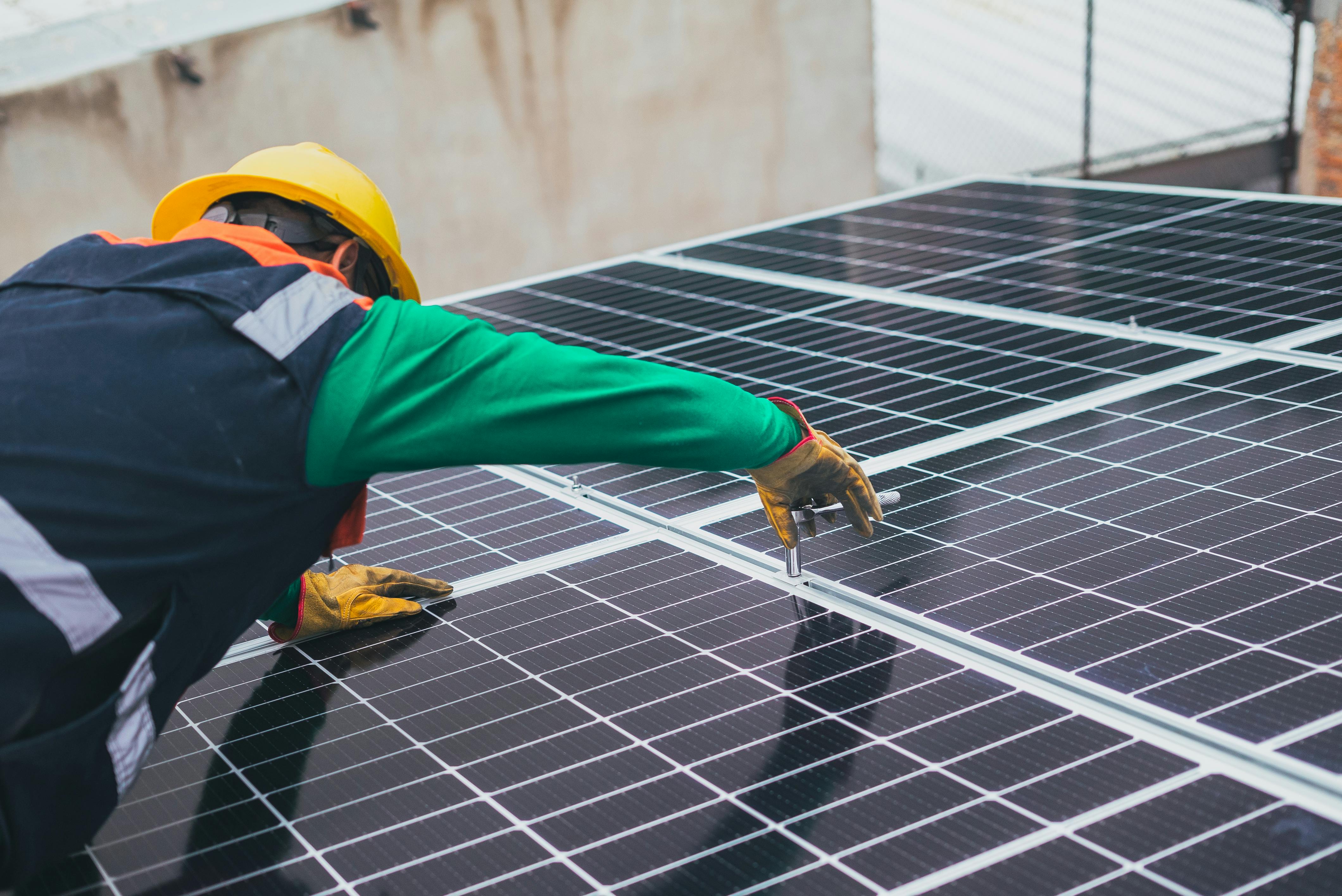
pexels-cristian-rojas-8853502.jpg
The Philippines' solar energy capacity reached 2,971 MW in 2024, up from 182 MW in 2015. (Photos from Pexels)

"Grassroots people-power has always been at the heart of Earth Day. It is the catalyst for paradigm-shifting change because when individuals unite with a common purpose, they can overcome even the most entrenched systems and industries," said organizer Earthday.org.

This year's event focused on "the solutions we need to create clean, inexpensive, and unlimited energy for the entire planet," which can be achieved through renewable solar, wind, and other technologies.

"We are calling for renewable energy generation, globally, to be tripled by 2030. The production and use of renewable energy transcends economic systems, political borders, and political parties, demonstrating a universal appeal," the organization stressed.

Renewable energy is the future

In the recent celebration, the Department of Environment and Natural Resources (DENR) launched an event raising awareness about the threats to endangered species. The youth joined in eco-related games and art activities challenging their understanding of planetary issues.

“The social and economic cost of clean energy must be accompanied by just transition. It must also be accompanied by the responsible and sustainable use of critical energy transition minerals,” said DENR Secretary Maria Antonia Yulo-Loyzaga.

Meanwhile, various progressive groups and communities in the country convened to push for its transition from dirty fossil fuels to RE.
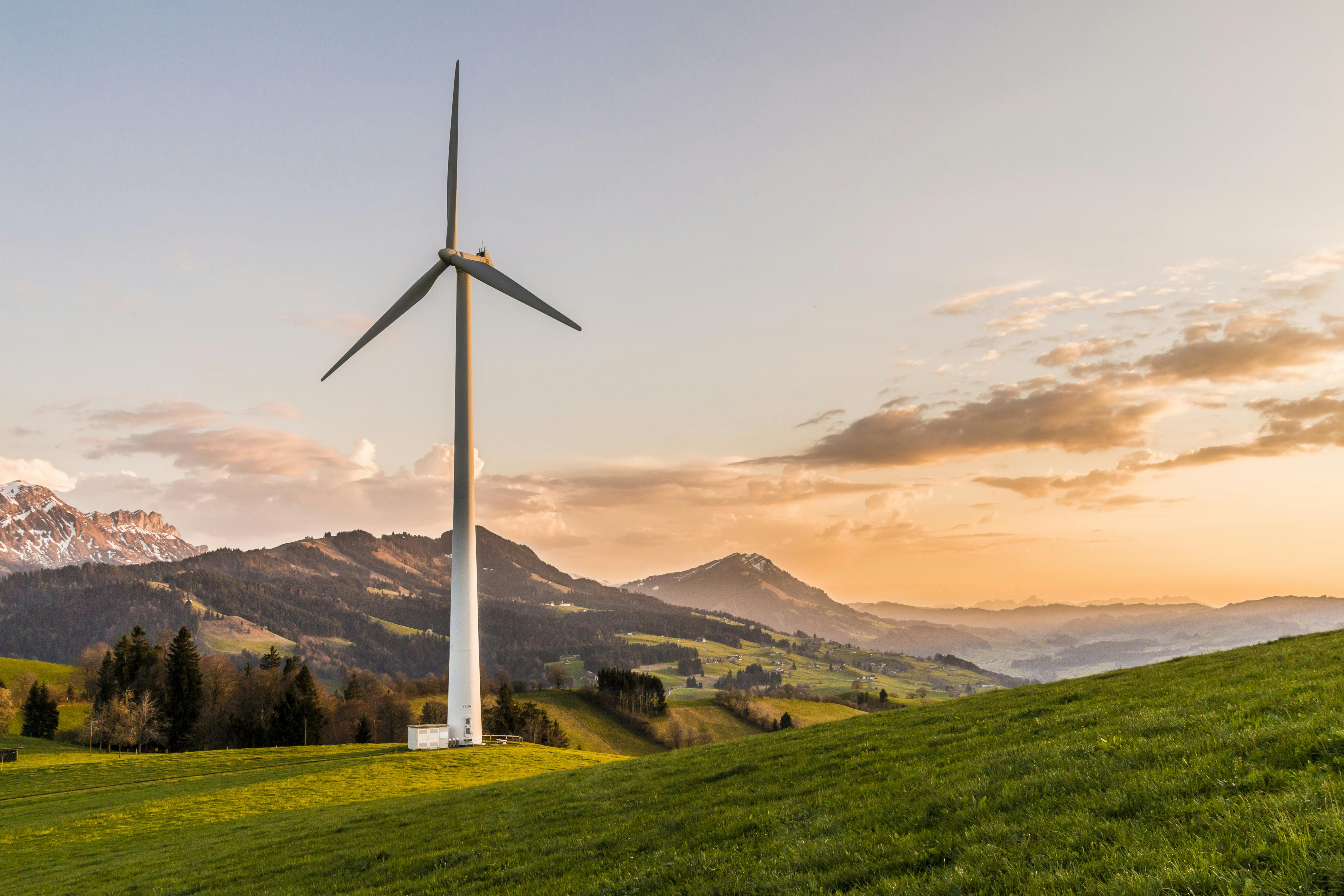
pexels-pixabay-414837.jpg
In 2024, the world sourced 32 percent of its electricity from renewables.

Among those were Protect Verde Island Passage, Power for People Coalition, fisherfolk, the church, and the masses pestered by fossil fuel activities. Demonstrations were held across Metro Manila, Batangas City, Cebu City, Oriental Mindoro, Ormoc City, and Misamis Oriental.

Advocates called out companies' fossil fuel dependence for power generation and distribution, stressing that it's a major factor aggravating climate change and driving up electricity prices.

A peek at the power scene

In the latest report by International Energy Agency (IEA), coal accounted for some 62 percent of PH’s power generation mix in 2024. This, even with the government’s ban on new coal-fired power plants in 2020.

“Diversification of energy sources is critical to energy security. Unfortunately, we get pilloried for favoring solar and wind over coal and get charged for favoring coal over renewable energy,” said Department of Energy Secretary Raphael Lotilla in a statement.

“Our new Philippine Energy Plan embodies the transformative direction towards attaining these goals. Among these is prioritizing the utilization of our country's indigenous energy sources, such as offshore wind and floating solar in our renewable energy portfolio, including adopting electric vehicles,” he added.

In 2023, only 22 percent of PH’s electricity came from RE, energy think tank Ember in London said in a report. This figure didn’t meet the global average.

By 2030, the country then seeks to have increased the RE share in the power mix to 35 percent. But IEA said this is still below the global share of 60 percent renewable electricity stated in the agency’s scenario of Net Zero Emissions.

Last year, the world sourced 32 percent of its electricity from renewables, according to Ember

Related Tags

MBEnvironment DENR Department of Energy (DOE) Earth Month
ADVERTISEMENT
.most-popular .layout-ratio{ padding-bottom: 79.13%; } @media (min-width: 768px) and (max-width: 1024px) { .widget-title { font-size: 15px !important; } }

{{ articles_filter_1561_widget.title }}

.most-popular .layout-ratio{ padding-bottom: 79.13%; } @media (min-width: 768px) and (max-width: 1024px) { .widget-title { font-size: 15px !important; } }

{{ articles_filter_1562_widget.title }}

.most-popular .layout-ratio{ padding-bottom: 79.13%; } @media (min-width: 768px) and (max-width: 1024px) { .widget-title { font-size: 15px !important; } }

{{ articles_filter_1563_widget.title }}

{{ articles_filter_1564_widget.title }}

.mb-article-details { position: relative; } .mb-article-details .article-body-preview, .mb-article-details .article-body-summary{ font-size: 17px; line-height: 30px; font-family: "Libre Caslon Text", serif; color: #000; } .mb-article-details .article-body-preview iframe , .mb-article-details .article-body-summary iframe{ width: 100%; margin: auto; } .read-more-background { background: linear-gradient(180deg, color(display-p3 1.000 1.000 1.000 / 0) 13.75%, color(display-p3 1.000 1.000 1.000 / 0.8) 30.79%, color(display-p3 1.000 1.000 1.000) 72.5%); position: absolute; height: 200px; width: 100%; bottom: 0; display: flex; justify-content: center; align-items: center; padding: 0; } .read-more-background a{ color: #000; } .read-more-btn { padding: 17px 45px; font-family: Inter; font-weight: 700; font-size: 18px; line-height: 16px; text-align: center; vertical-align: middle; border: 1px solid black; background-color: white; } .hidden { display: none; }
function initializeAllSwipers() { // Get all hidden inputs with cms_article_id document.querySelectorAll('[id^="cms_article_id_"]').forEach(function (input) { const cmsArticleId = input.value; const articleSelector = '#article-' + cmsArticleId + ' .body_images'; const swiperElement = document.querySelector(articleSelector); if (swiperElement && !swiperElement.classList.contains('swiper-initialized')) { new Swiper(articleSelector, { loop: true, pagination: false, navigation: { nextEl: '#article-' + cmsArticleId + ' .swiper-button-next', prevEl: '#article-' + cmsArticleId + ' .swiper-button-prev', }, }); } }); } setTimeout(initializeAllSwipers, 3000); const intersectionObserver = new IntersectionObserver( (entries) => { entries.forEach((entry) => { if (entry.isIntersecting) { const newUrl = entry.target.getAttribute("data-url"); if (newUrl) { history.pushState(null, null, newUrl); let article = entry.target; // Extract metadata const author = article.querySelector('.author-section').textContent.replace('By', '').trim(); const section = article.querySelector('.section-info ').textContent.replace(' ', ' '); const title = article.querySelector('.article-title h1').textContent; // Parse URL for Chartbeat path format const parsedUrl = new URL(newUrl, window.location.origin); const cleanUrl = parsedUrl.host + parsedUrl.pathname; // Update Chartbeat configuration if (typeof window._sf_async_config !== 'undefined') { window._sf_async_config.path = cleanUrl; window._sf_async_config.sections = section; window._sf_async_config.authors = author; } // Track virtual page view with Chartbeat if (typeof pSUPERFLY !== 'undefined' && typeof pSUPERFLY.virtualPage === 'function') { try { pSUPERFLY.virtualPage({ path: cleanUrl, title: title, sections: section, authors: author }); } catch (error) { console.error('ping error', error); } } // Optional: Update document title if (title && title !== document.title) { document.title = title; } } } }); }, { threshold: 0.1 } ); function showArticleBody(button) { const article = button.closest("article"); const summary = article.querySelector(".article-body-summary"); const body = article.querySelector(".article-body-preview"); const readMoreSection = article.querySelector(".read-more-background"); // Hide summary and read-more section summary.style.display = "none"; readMoreSection.style.display = "none"; // Show the full article body body.classList.remove("hidden"); } document.addEventListener("DOMContentLoaded", () => { let loadCount = 0; // Track how many times articles are loaded const offset = [1, 2, 3, 4, 5, 6, 7, 8, 9, 10]; // Offset values const currentUrl = window.location.pathname.substring(1); let isLoading = false; // Prevent multiple calls if (!currentUrl) { console.log("Current URL is invalid."); return; } const sentinel = document.getElementById("load-more-sentinel"); if (!sentinel) { console.log("Sentinel element not found."); return; } function isSentinelVisible() { const rect = sentinel.getBoundingClientRect(); return ( rect.top < window.innerHeight && rect.bottom >= 0 ); } function onScroll() { if (isLoading) return; if (isSentinelVisible()) { if (loadCount >= offset.length) { console.log("Maximum load attempts reached."); window.removeEventListener("scroll", onScroll); return; } isLoading = true; const currentOffset = offset[loadCount]; window.loadMoreItems().then(() => { let article = document.querySelector('#widget_1690 > div:nth-last-of-type(2) article'); intersectionObserver.observe(article) loadCount++; }).catch(error => { console.error("Error loading more items:", error); }).finally(() => { isLoading = false; }); } } window.addEventListener("scroll", onScroll); });

Sign up by email to receive news.