






 Philippines
National
DepEd boosts school feeding, farm education to secure Filipino students' nutrition
Philippines
National
DepEd boosts school feeding, farm education to secure Filipino students' nutrition
DepEd boosts school feeding, farm education to secure Filipino students' nutrition


To ensure Filipino students have access to nutritious meals and agricultural education, the Department of Education (DepEd) is enhancing its key initiatives on food security.
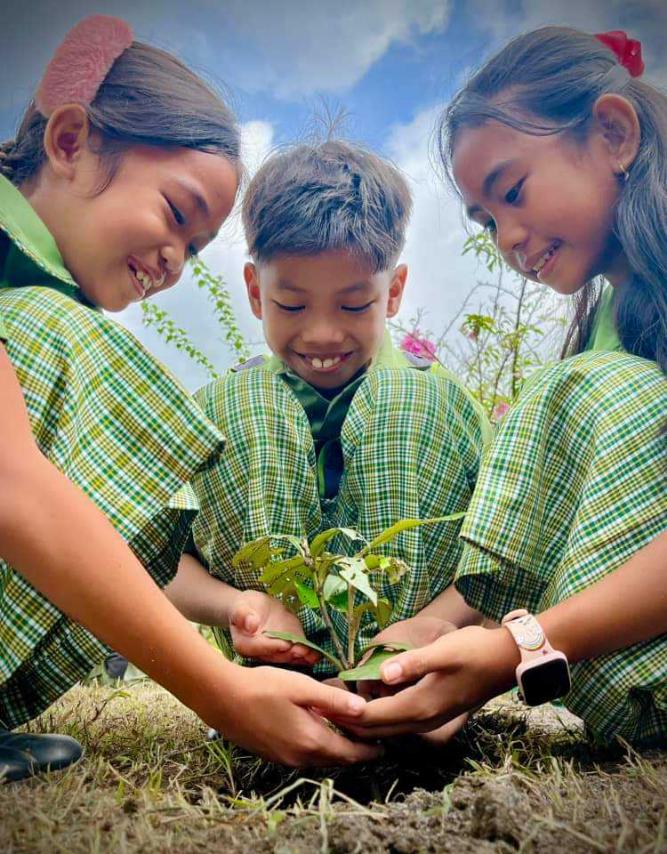
DepEd is reinforcing efforts such as the School-Based Feeding Program (SBFP), Gulayan sa Paaralan, and Farm School projects, in response to President Marcos’ directive on food security.
These programs, DepEd said, align with the President’s call to promote food sustainability and community resilience, emphasized during the recent launch of Filipino Food Month 2025.
Filipino Food Month, established through Presidential Proclamation No. 469, s. 2018, aims to promote, preserve, and celebrate the Philippines' vibrant culinary heritage.
This month-long celebration highlights the significance of Filipino cuisine in fostering national identity, uniting communities, and nurturing future generations.
This year’s theme, “Sarap ng Pagkaing Pilipino, Yaman ng Ating Kasaysayan, Kultura, at Pagkatao,” underscores the role of Filipino cuisine in expressing national identity and promoting social unity.
DepEd said its school feeding and agricultural initiatives reflect this spirit—nurturing both body and soul while instilling lifelong values in students.
A holistic vision for future generations
Education Secretary Sonny Angara, in a statement, emphasized the importance of integrating nutrition, agriculture, and values into the DepEd curriculum.
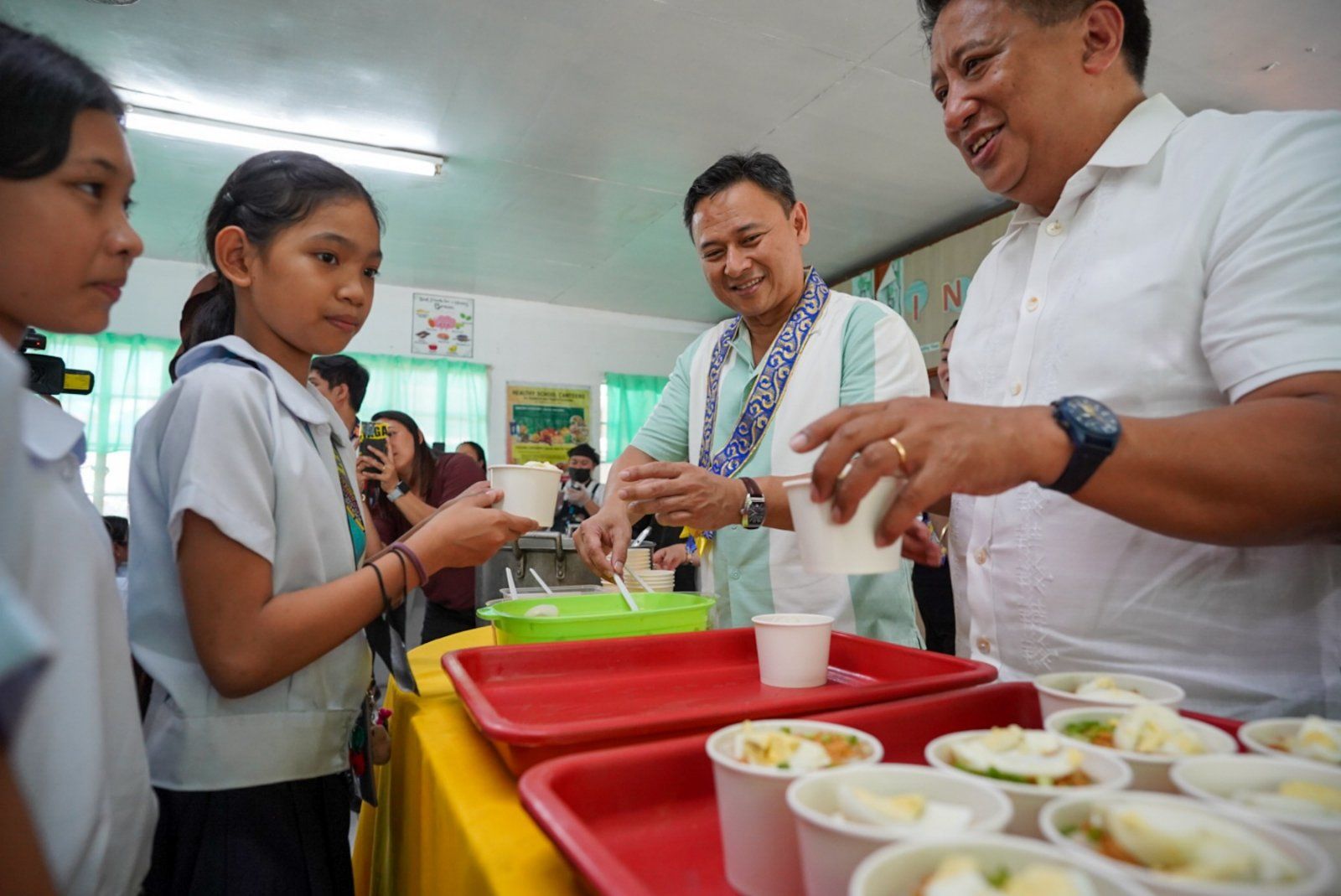
“Through DepEd’s integrated approach that combines nutrition, agriculture, and values education, the spirit of Filipino hospitality and care is kept alive in every meal served,” he said.
With continued government support, DepEd expressed hope that its initiatives will help cultivate a generation of healthy, skilled, and socially responsible Filipinos.
From farm to table: Ramon Torres Malingin Farm School
In Negros Occidental, Ramon Torres Malingin Farm School (RTMFS) demonstrates the impact of farm integration in education.
Led by Principal Roger Raymundo, the school grows vegetables like okra, eggplant, and bottle gourd, and maintains a two-hectare rice field—produce that is incorporated directly into student meals.
“Dito itinuturo sa bata iyong tamang pagtatanim at saka iyong side na pwede silang magkaroon ng kita later, kasi ang pagtatanim ay magiging hanapbuhay nila. Kaya pwedeng i-consider iyong curriculum ng farm school na magiging lifelong learning ng mga learners natin (Here, children are taught the proper way of planting and how it can provide income later on, since farming can be a livelihood. The farm school’s curriculum can be considered lifelong learning for our students),” Raymundo said.
“Bukod dito, farming can also sustain them. Hindi ka magugutom kung marunong kang magtanim (Moreover, farming can sustain them. You won’t go hungry if you know how to plant),” he added.
The farm school model combines technical-vocational training, sustainable food practices, and values education—creating a holistic approach that prepares learners for real-world challenges.
Sta. Cristina Elementary’s SBFP success
In Dasmariñas City, Cavite, DepEd reported that Sta. Cristina Elementary School (SCES) is setting a strong example with its SBFP, achieving a 93.80 percent success rate in 2025—measured by the number of learners reaching a nutritionally adequate status.
Principal Elena Bayan attributed this achievement to strong community involvement and the effective use of school-grown produce.
“We have a great support system, we have our dependable Gulayan sa Paaralan, and we have a community eager to see changes in our learners,” she explained.
DepEd said schools like Ramon Torres Malingin Farm School and Sta. Cristina Elementary School embody the values celebrated during Filipino Food Month: feeding with compassion, teaching with purpose, and nurturing a generation of healthy, capable learners.