







Philippines flagged as top wind energy growth market despite hurdles—GWEC


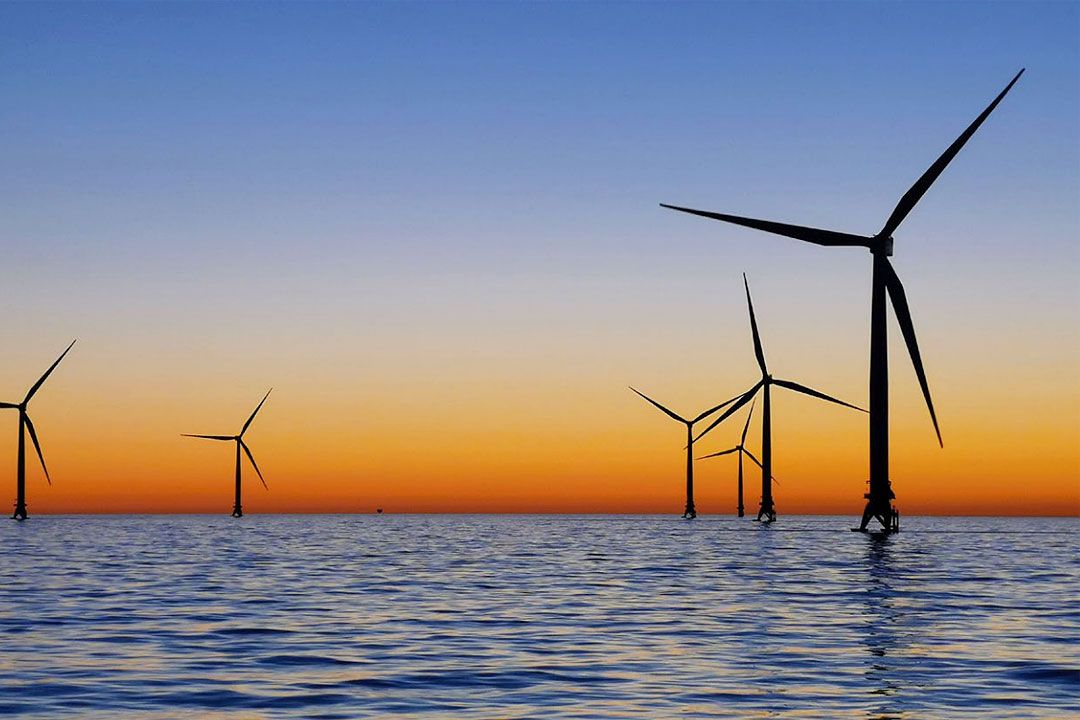
The Global Wind Energy Council (GWEC), an international wind industry association, has identified the Philippines as one of the top markets to watch for wind energy growth.
In its 2025 Global Wind Report, GWEC noted that Asia-Pacific (APAC) countries, including the Philippines, Japan, South Korea, and Australia, have demonstrated progress in policies that support the advancement of their wind energy sectors.
However, the report pointed out that the Philippines faces several hurdles that have slowed this growth.
“While collectively these policy advancements strengthen the Philippines’ position as an attractive investment hub for wind energy, the transition from planning to execution is still challenging. Developers often encounter hurdles in both the pre-development and construction phases,” the report stated.
According to GWEC, developers have struggled with slow permitting processes, limited local manufacturing for renewable energy (RE) materials and technologies, infrastructure gaps, a limited workforce, financing issues, and regulatory slowdowns.
“The lack of wind-ready ports and transmission infrastructure creates logistical bottlenecks, impacting project execution timelines,” the report added. “Contractual issues, particularly concerning liability and risk allocation, complicate negotiations between developers, contractors and financiers.”
GWEC also stated that offshore wind projects require significant upfront capital, averaging around $3 million to $4 million, or approximately ₱170 million to ₱227 million. These costs are typically addressed in the Philippines through concessional loans, green bonds, and other risk-mitigation instruments.
But these wind development challenges should not deter investors, as the council also observed that the government is taking proactive steps to address them.
These steps include tariff indexation and credit enhancements, which are expected to boost offshore wind investments.
“On the financing front, measures such as tariff indexation, hedging solutions and credit enhancement mechanisms are being considered to de-risk investments and bolster investor confidence. These coordinated efforts reflect a strong commitment to unlocking the full potential of offshore wind in the Philippines,” the report elaborated.
Ann Francisco, GWEC country manager for the Philippines, further highlighted government actions such as the upcoming fifth Green Energy Auction (GEA-5), which is expected to welcome investments for offshore wind developments.
She also mentioned the need to improve GEA-5’s tariff structure, as well as to ensure project bankability via the renewable energy payment agreement (REPA) and its terms of reference (TOR), which provide guidelines for the auction.
Regarding the future of wind developments in the Philippines, GWEC emphasized that large-scale infrastructure will require improved grid and port infrastructure through collaboration between the government and private-sector players.