







Chinese toy giant Pop Mart eyeing Philippine expansion, says DTI


Chinese designer toy giant Pop Mart International Group is eyeing expansion in the Philippines as part of its broader push into Southeast Asia, according to the Department of Trade and Industry (DTI).
In a statement on Tuesday, April 22, the DTI said it facilitated the Manila visit of Pop Mart executives last April 10, during which the company explored local business opportunities, including retail expansion, investment strategies, and collaborations with Filipino creatives. The visit was organized by the DTI’s Philippine Trade and Investment Center in Beijing (PTIC-Beijing) and Foreign Trade Service Corps (FTSC).
During their trip, Pop Mart’s delegation met with key stakeholders such as the Philippine Franchise Association (PFA) and several government agencies, including the Board of Investments (BOI), Consumer Protection and Advocacy Bureau (CPAB), Design Center of the Philippines (DCP), and Intellectual Property Office of the Philippines (IPOPHL). The meetings covered regulatory requirements, market entry strategies, and potential partnerships.
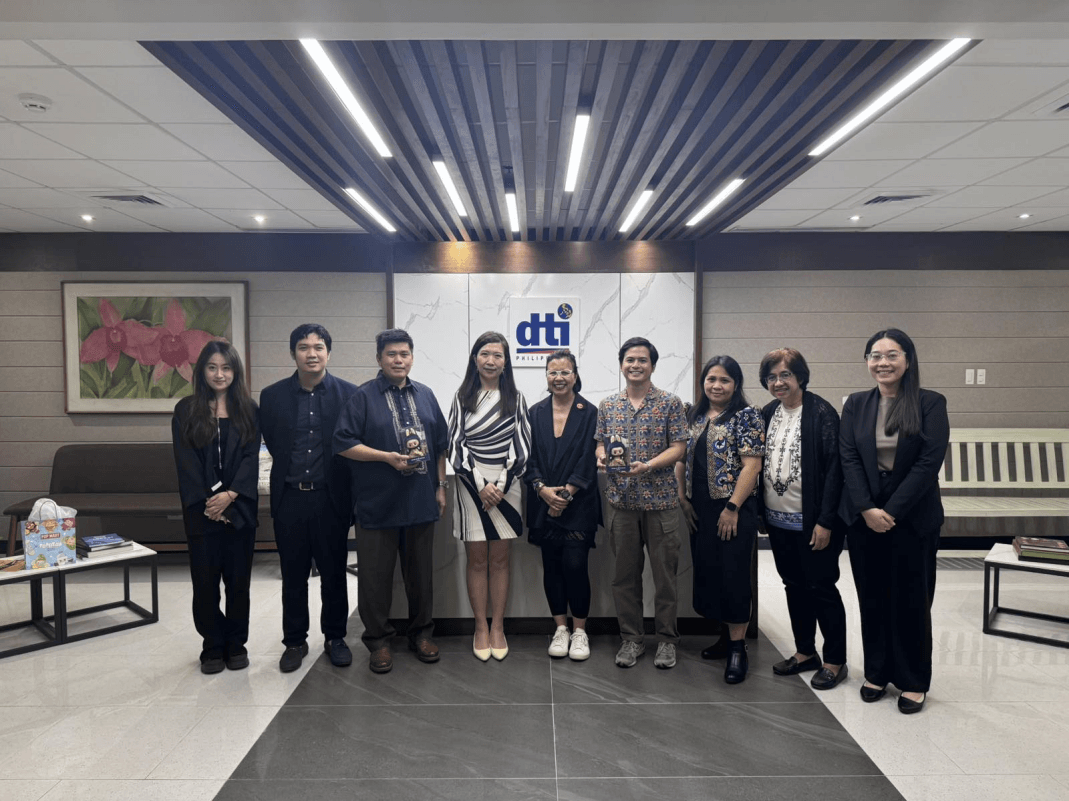

Karen Chen, Pop Mart’s vice president, presented the company’s development plans for the Philippine market in 2025, which include partnering with local businesses and opening new physical stores. She emphasized the company’s interest in collaborating with Filipino creatives to develop original designs and new intellectual property inspired by local culture.
“Through this creative engagement, Pop Mart seeks to create collectibles that are deeply inspired by the Filipino culture,” the DTI said.
The expansion plans come after a strong financial performance in 2024, during which Pop Mart posted a 106.9-percent climb in revenue to 13 billion Chinese yuan, and a 185.9-percent jump in net profit to 3.4 billion yuan. The company attributed this growth to the booming popularity of plush toys and an aggressive international expansion strategy—especially in Southeast Asia, where its revenues grew six times.
Pop Mart currently operates two pop-up stores in the Philippines—SM Makati and SM Mall of Asia—and aims to strengthen its local footprint further. The company also plans to capitalize on its growing customer base and strong brand recognition to fuel its overseas growth.
The DTI said it remains committed to promoting investment in creative industries, as its PTIC-Beijing and FTSC continue to play a vital role in cultivating strategic partnerships and advancing innovation in retail, entertainment, and intellectual property development.