






 Philippines
National
What happens after Pope Francis' death? A step-by-step look inside Vatican's sacred protocol
Philippines
National
What happens after Pope Francis' death? A step-by-step look inside Vatican's sacred protocol
What happens after Pope Francis' death? A step-by-step look inside Vatican's sacred protocol


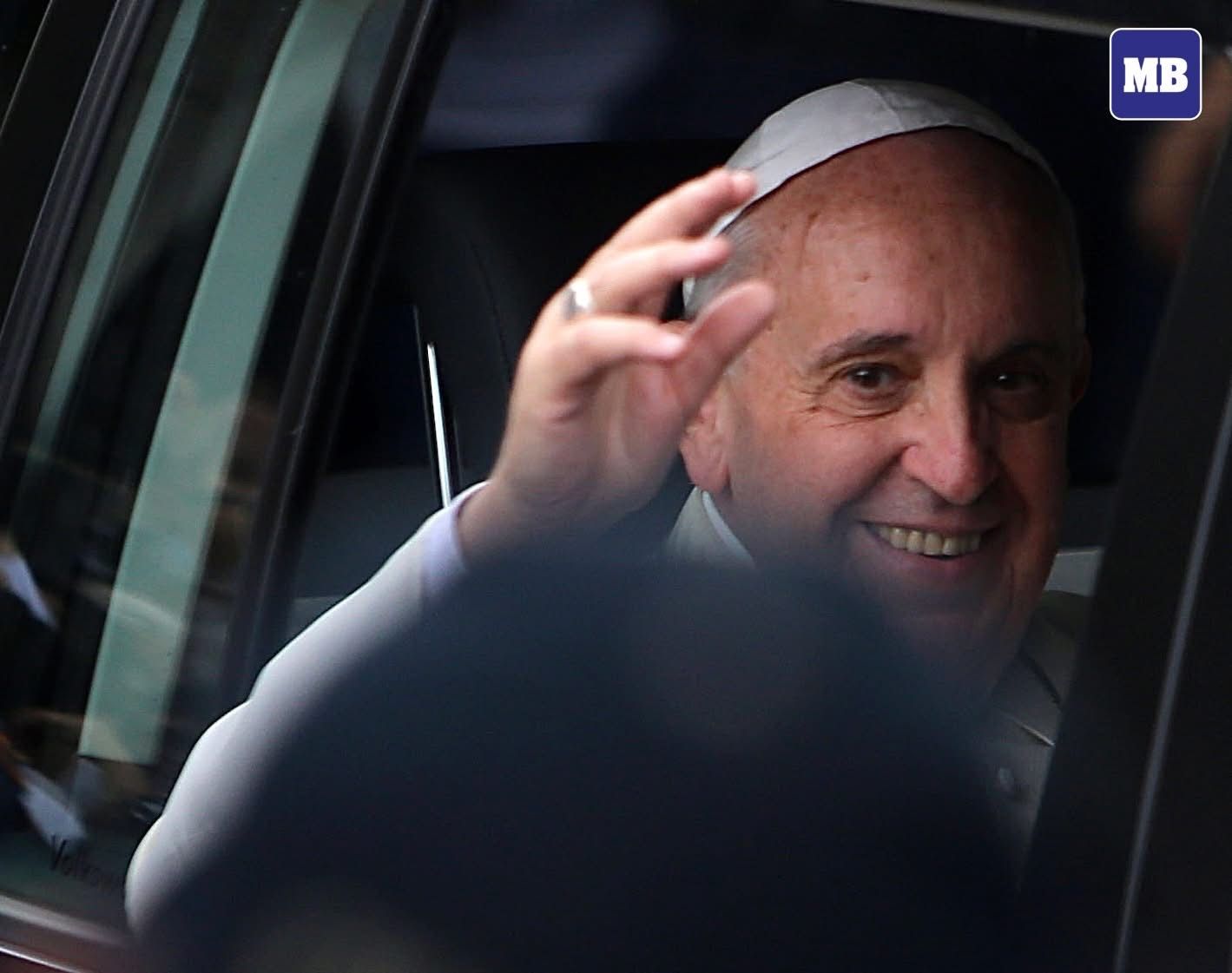
The death of Pope Francis marks the end of a global religious leader's life and the beginning of a sacred and meticulous process rooted in centuries of Catholic tradition.
Guided by the apostolic constitution “Universi Dominici Gregis” and the updated “Ordo Exsequiarum Romani Pontificis” (Order of Funerals for Roman Pontiffs), the process includes mourning, burial, and the election of a new pope.
Here’s a closer look at the process.
1. Confirmation of death
The Camerlengo (Chamberlain of the Holy Roman Church) confirms the pope's death through medical verification.
This marks the beginning of “Sede Vacante” (Vacant See), or the period between popes begins. The Camerlengo takes over the administration of Vatican affairs but is restricted from making major decisions.
All leadership roles are paused until a new pope is elected.
2. Destruction of papal insignia
The Fisherman’s Ring and the papal seal, used to authenticate apostolic letters, are destroyed to prevent misuse.
3. Sealing of papal quarters
The pope’s residence is sealed to secure personal belongings and documents. These remain untouched until a new pontiff is elected.
4. Notification of the Church and the world
The Camerlengo notifies the Archpriest of the Vatican Basilica and the Cardinal Vicar of Rome, who then announces the pope’s death to the city.
The Dean of the College of Cardinals is also informed. He summons all cardinals to Rome and notifies the diplomatic corps and world leaders.
5. Funeral preparations
The pope’s body is placed in a simple wooden coffin lined with zinc. It is first presented for private viewing by the papal household and cardinals and later moved to St. Peter’s Basilica for public viewing.
6. ‘Novendiales’: Nine days of mourning
Vatican’s traditional nine-day mourning begins after the pope dies. Each day, a different cardinal leads a public funeral rite.
7. Funeral and burial
The funeral Mass, usually held five to seven days after death, is celebrated by the Dean of the College of Cardinals.
The traditional papal burial includes covering the face with white silk, placing a red bag with bronze and silver medals from each year of the pontificate at the pope’s feet, and sealing the official burial notice in a lead tube inside the coffin.
The coffin is then sealed and interred beneath the crypt floor, marked by a marble slab.
Popes John Paul II and Benedict XVI were buried in St. Peter’s Basilica grottoes. John Paul’s remains were later moved to the main floor following his beatification in 2011.
Pope Francis has requested to be buried at the Basilica of Santa Maria Maggiore, reflecting his devotion to the Virgin Mary. His funeral Mass is expected to be held in St. Peter’s Square.
8. Conclave preparation
Fifteen to 20 days after the pope’s death, the conclave begins. All cardinals under the age of 80 are eligible to vote.
The Sistine Chapel is inspected and secured. All participants swear an oath of secrecy.
Cardinals are sequestered for the duration of the conclave.
9. The election
Each cardinal elector writes the name of a candidate on a paper ballot.
Ballots are collected, counted, and burned after each vote:
- Black smoke from the chapel chimney signals no decision.
- White smoke signals that a new pope has been chosen.
10. Announcement and first blessing
Once a candidate receives a two-thirds majority and accepts the role, he chooses a papal name.
The senior Cardinal Deacon then steps onto the central balcony of St. Peter’s Basilica to declare: “Habemus Papam!” (We have a pope!)
The new pope then appears before the world and delivers his first “Urbi et Orbi” blessing, “to the city and the world.”