







Korea's Pohang City unveils Greenway Vision 2030 for urban regeneration


Pohang, the largest city in North Gyeongsang Province in South Korea, is aiming to transform from an industrial area to an “environmental city” by 2030.
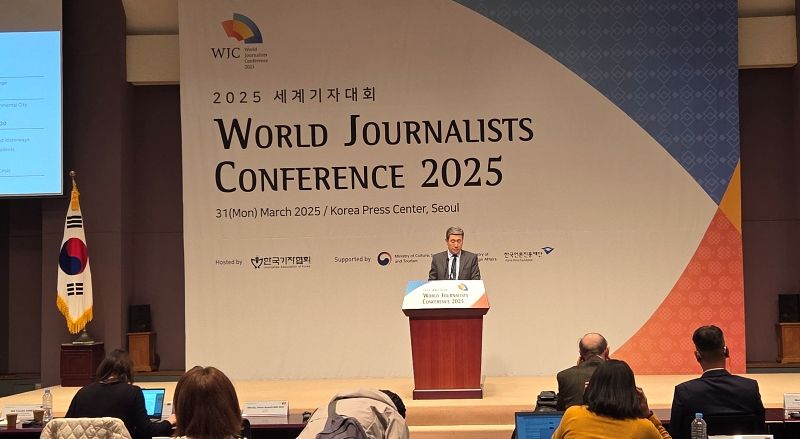
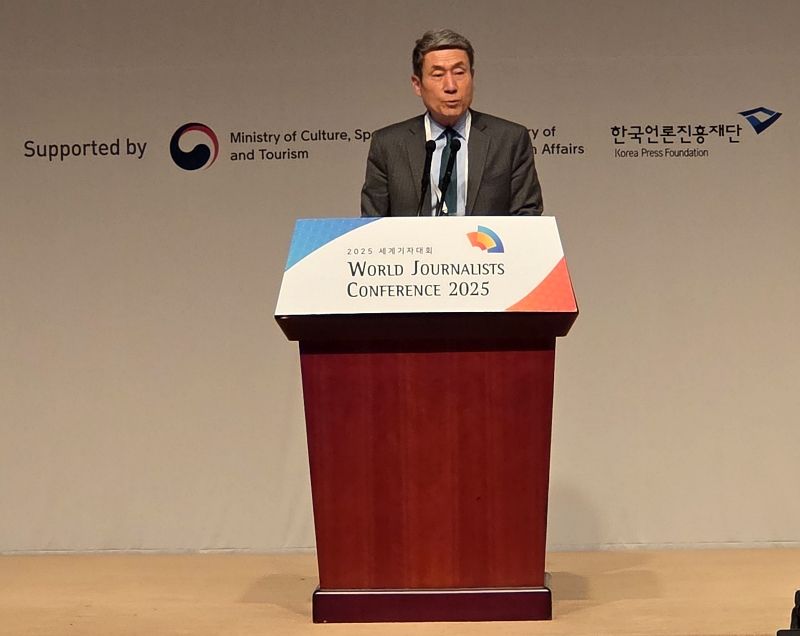
During the World Journalists Conference (WJC) 2025 in South Korea, Pohang City Mayor Lee Kang-deok held a special lecture and presented the Pohang Greenway Vision 2030, which aims to battle climate change.
Lee said there are three strategies that will be implemented under the Greenway Vision 2030.
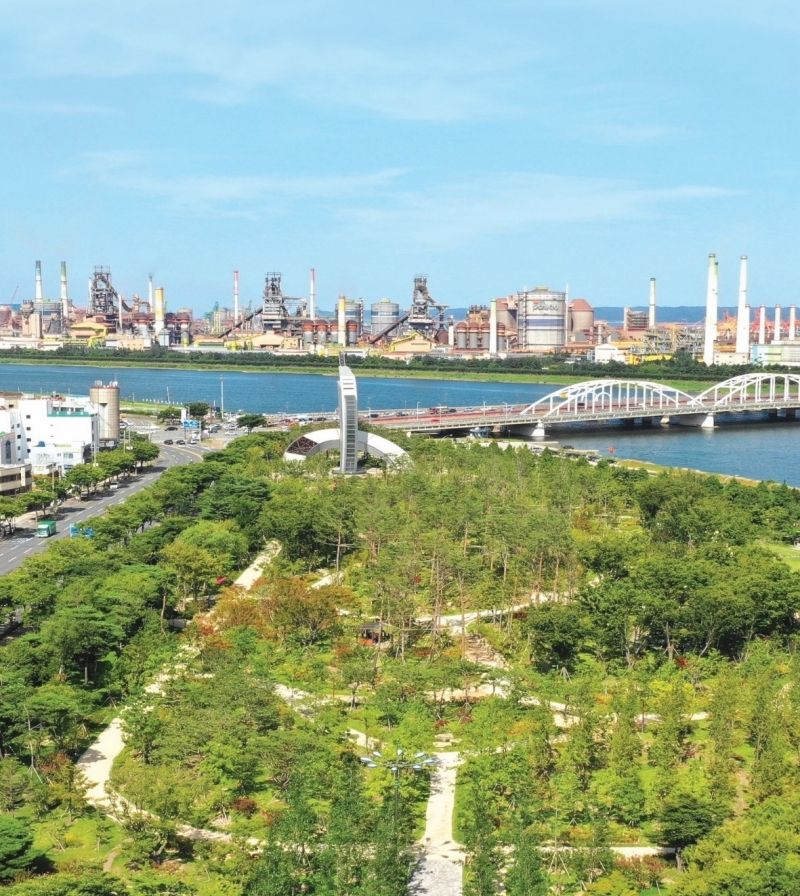
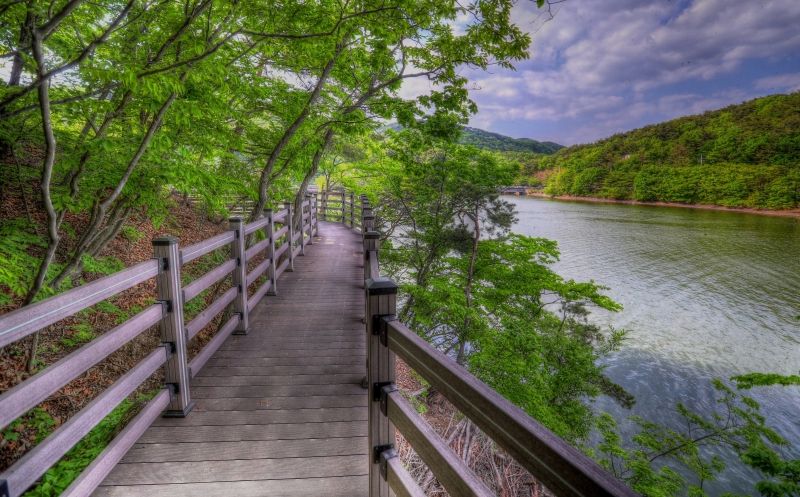
These are green connector networks which link forestal trails and waterways, compact city where the residents walk and enjoy lives, and securing urban resilience in response to the climate crisis.
The Greenway Project started in Pohang in 2016.
“Before implementing this project, we secured green space, which is equivalent to 107 football pitches and in major spots in the city, we created forests of different sizes. These are major urban forests,” said Lee.
The total length of the urban forest is 9.3 km. that can be easily accessed by 194,000 people, or 40 percent of Pohang’s total population.
During weekdays, he said, 26,833 people visit the railway forest and the total increases to 31,476 during weekends.
“The city has become more vibrant by opening this urban regeneration project,” the mayor said.
He said the Greenway Project has resulted in annual sales of 434 billion won (about $306 million) as of 2022, a tenfold economic effect.
Pohang’s railway forest has received numerous awards including the Asian Townscape Awards by the UN Habitat (2022), Green Flag Award by Keep Britain Tidy (2022), Model Urban Forest by Korea Forest Service (2022), Grand Prix of Korean Spatial Culture by the Korean Ministry of Culture, Sports and Tourism (2020).
The Pohang Greenway Vision 2030 aims to expand linear parks in urban areas by joining forests, parks and streams via a connection of forestral trails and waterways.
It also aims to construct "One Million Pyeong Park" to replenish the urban green area. One million pyeong is equivalent to 3.3 sq. km.
By 2030, the Pohang urban forest will be increased from 9.3 km to 55 km.
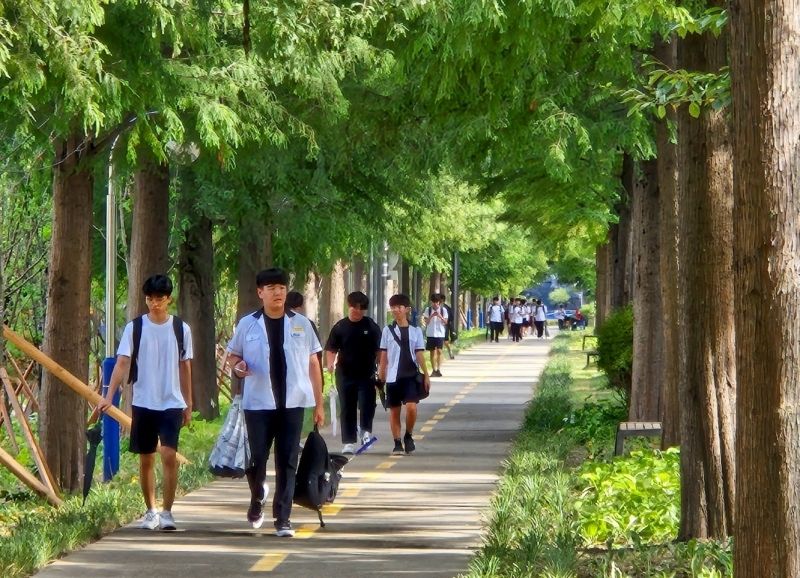
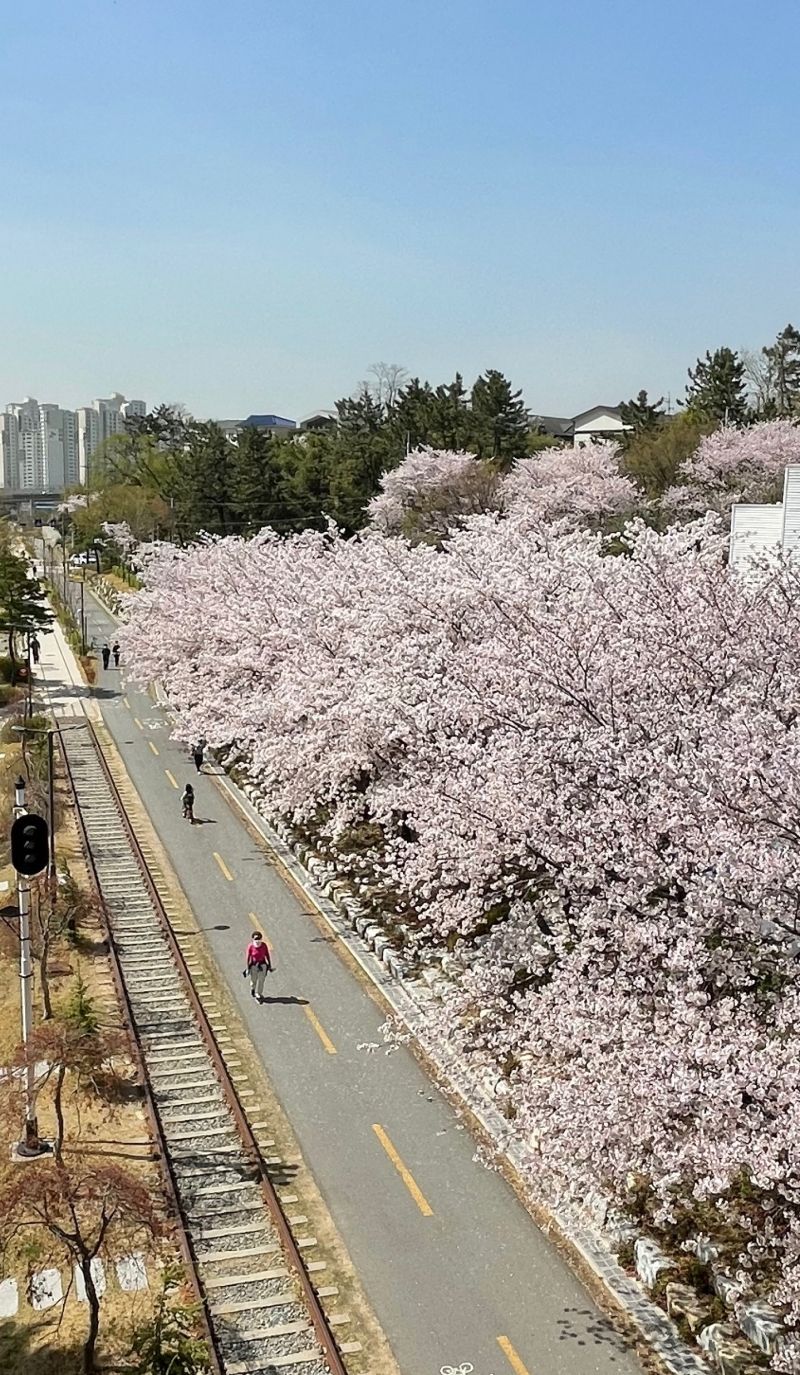
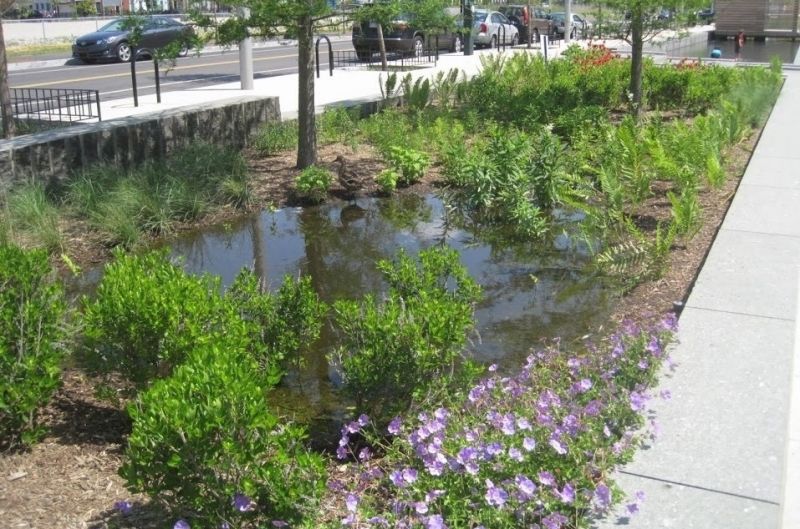
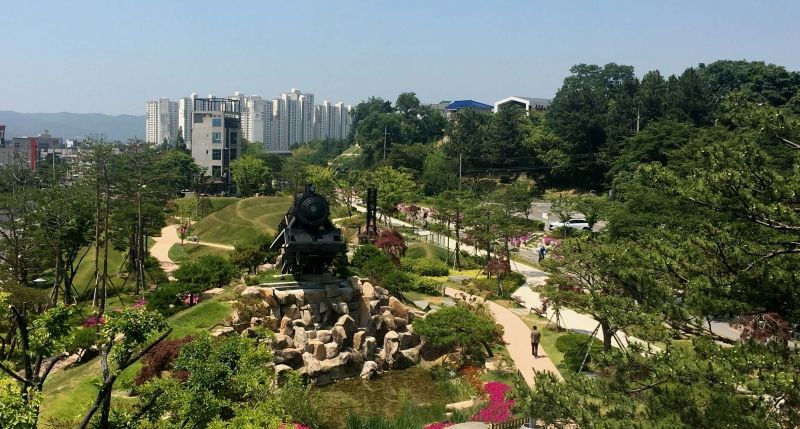
It is expected that the urban forest will be expanded to 4.78 million sq. m., equivalent to 670 soccer fields, and that annual carbon emissions will be reduced by 2,010 tons.
“We are continuously working to meet the global demand to respond to the climate crisis by achieving carbon neutrality,” said Lee.
Jeju Island also unveiled its plan for its sustainable future with green hydrogen.
The WJC, attended by Manila Bulletin and other foreign media outlets, was hosted by the Journalists Association of Korea (JAK) under president Park Jong Hyun.
The week-long conference allowed 62 journalists from 52 countries to visit different places in South Korea.