






 Environment and Sustainability
Fujifilm BI PH, FEED ink contract to reforest 'critical' areas
Environment and Sustainability
Fujifilm BI PH, FEED ink contract to reforest 'critical' areas
Fujifilm BI PH, FEED ink contract to reforest 'critical' areas
By Mat Richter


If each of us planted a tree, would it save us from climate catastrophe?
Planting a gazillion trees does help fight the warming crisis mainly by offsetting carbon emissions. But one mistake—wrong location, plant, or lack of long-term planning—and snap, it destroys more than it sustains, reducing biodiversity and disrupting the climate. Unfortunately, companies rushing to secure headlines for tree planting can be such perpetrators.
A study by Oxford Academic’s BioScience in England found that in the hurry to achieve ambitious targets, many tree planting efforts in turn have “very high” tree mortality rates.
“Forest restoration fails because trees are planted incorrectly, in the wrong places, and without the support of local people. Successful reforestation programs must plan for long-term maintenance by people who live and work nearby,” the study noted.
Offering a sliver of hope to the planting problem, one business made sure to do just exactly that: partnering with a vetted organization to do careful, long-term reforestation.
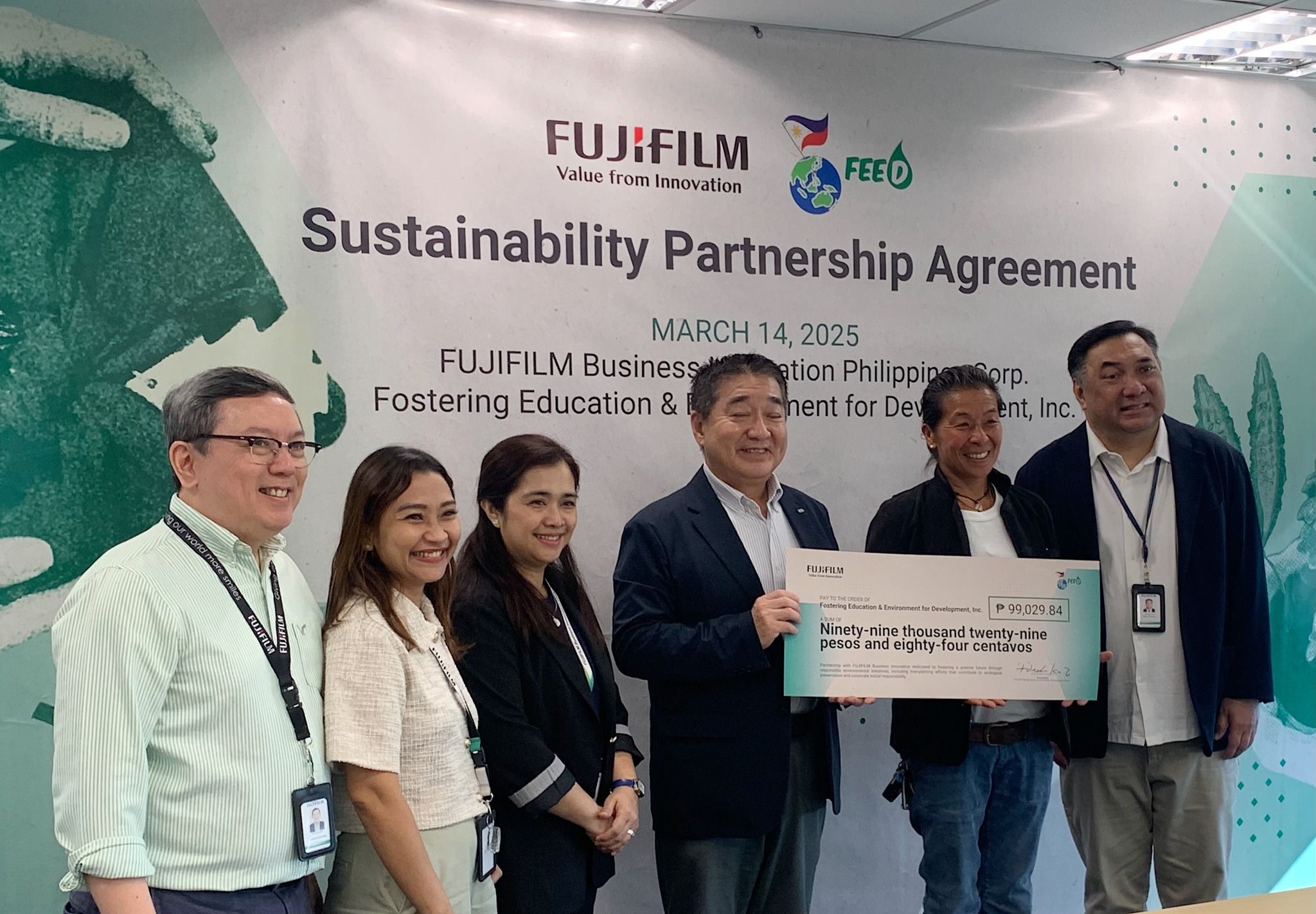
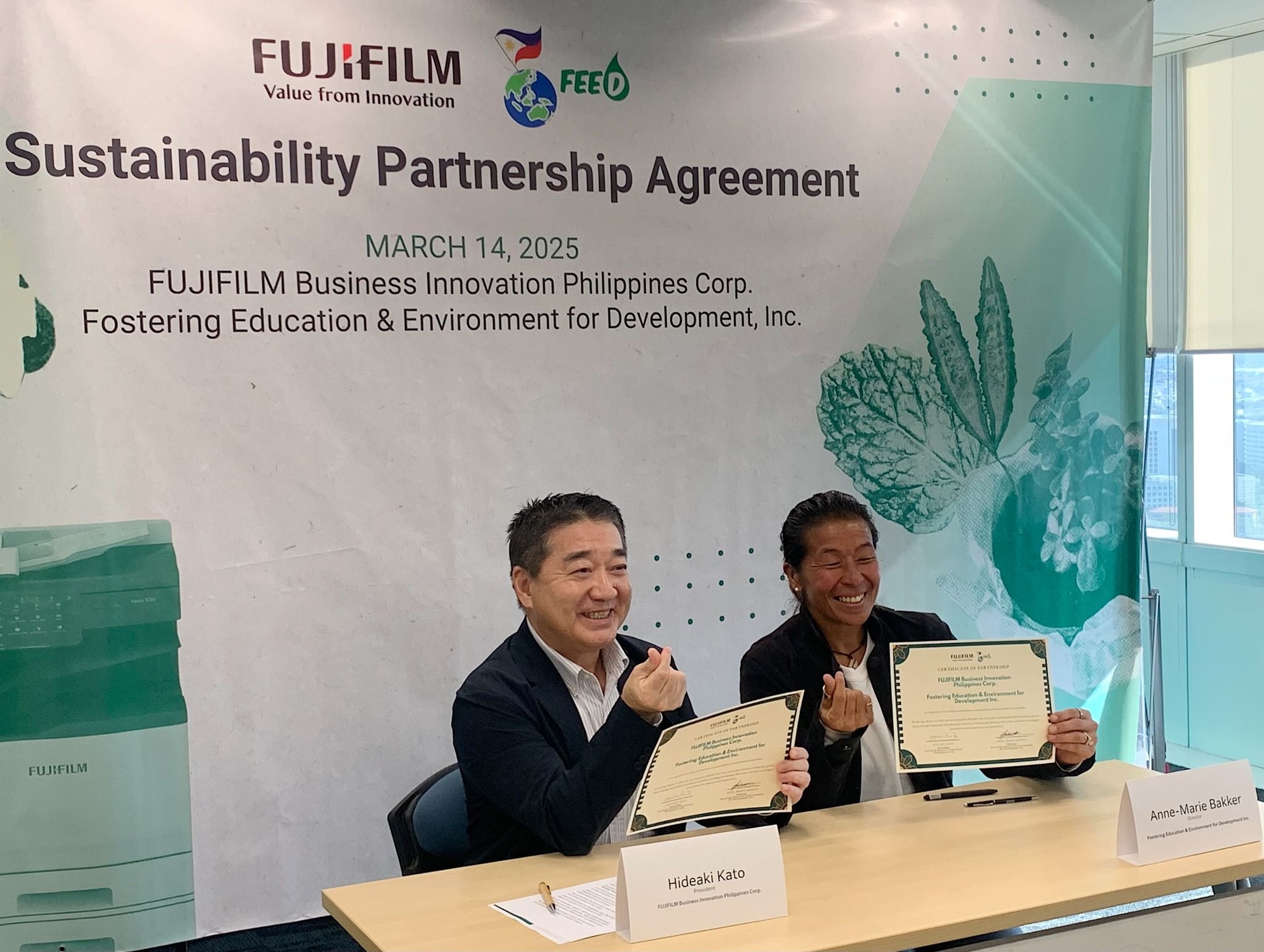
Document services and communications provider Fujifilm Business Innovation PH Corp. inked a contract with sustainability educator Fostering Education & Environment for Development (FEED) Inc. on March 14 in Taguig to help reforest the country's "critical" areas.
The business, in partnership with an NGO, will plant trees under a company’s name depending on its print volume with Fujifilm devices.
"We believe that innovation and sustainability should go hand in hand. Through this partnership with FEED Inc., we aim to give back to the environment while supporting our customers in their sustainability goals," said Hideaki Kato, president of Fujifilm BI PH Corp.
By 2030, it aims to have reduced carbon emissions from energy use and product lifecycle by 50 percent compared to 2019.
In its international resource recycling system, it said used printer and toner cartridges are collected, treated, and recycled with its partners across 11 countries, contributing to a circular economy.
The business also seeks to achieve zero emissions in manufacturing by 2040.
“Our devices will be recycled, whereby certain parts are cleaned and inspected for reuse in our recycling plants. Fujifilm BI PH is addressing the diffusion of hazardous substances and the depletion of our natural resources,” it said.
Meanwhile, a non-profit seeking to protect Philippine biodiversity and oversee tree-planting efforts engages local communities in its initiatives.
FEED helps lower tree mortality rates and ensure that trees grow sustainably.
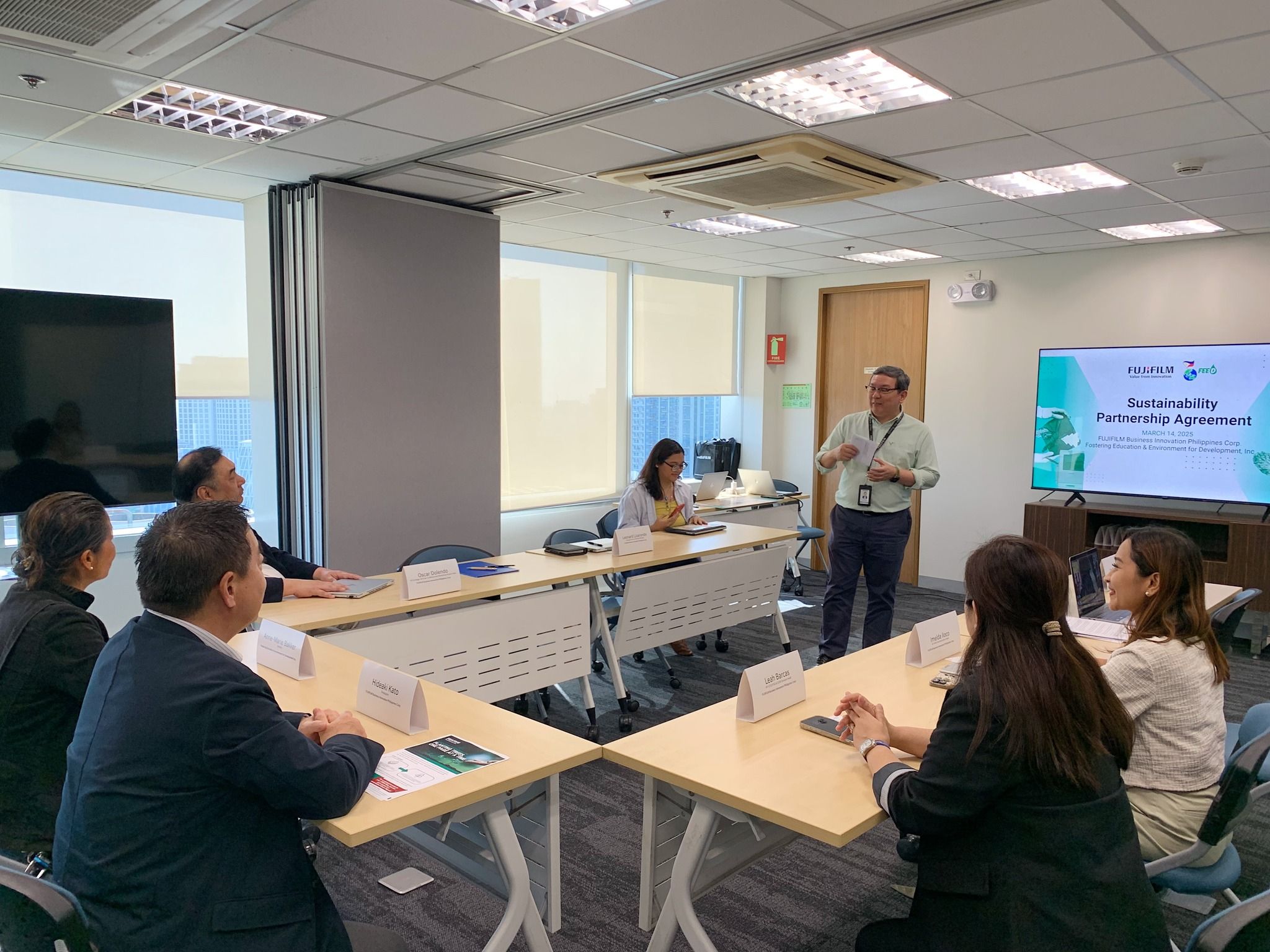
“There's a way to do sustainable forestry, and that's what we're trying to do. All the sites that we work with have forestry stewardship council, meaning local communities are managing the forests,” said Anne-Marie Bakker, director at FEED.
It conducts scientific research, Bakker said, that guides groups where and what to plant, leading the business’ tree-planting program to the right path: local communities in action for knowledge-backed reforestation.
Whether you’re a person or a company seeking to plant trees, ask or partner with a vetted NGO for tree planting, or risk adding up to the problem.