ADVERTISEMENT

The united state of Philippine snacking

Published Apr 19, 2025 04:00 pm

HEARD IT THROUGH THE GRIPE-VINE

unjiengp_28ac6affe0.jpg

“Snack Mindfully” is the mission-vision rally cry of Mondelēz International in the Philippines. The food company, known for such brands as Oreo cookies, Eden cheese, Cadbury Dairy Milk, Tang, Toblerone, Tiger energy biscuits, and Cheez Whiz, has been creating a snacking heritage in this country for 62 years. Globally, it operates in over 150 countries, and is listed on the Nasdaq 100, Standard and Poor’s 500, and the Dow Jones Sustainability Index.


So you know that when it talks about “snacking right,” it does so with a lot at stake beyond increasing revenues here in the country. It’s aligned with a global strategy about responsible snacking that corporate headquarters takes very earnestly. This becomes more important in the light of the 2024 State of Snacking (SoS) global survey; and how for the first time, a special report on the State of Philippine Snacking was commissioned.

image0.jpeg
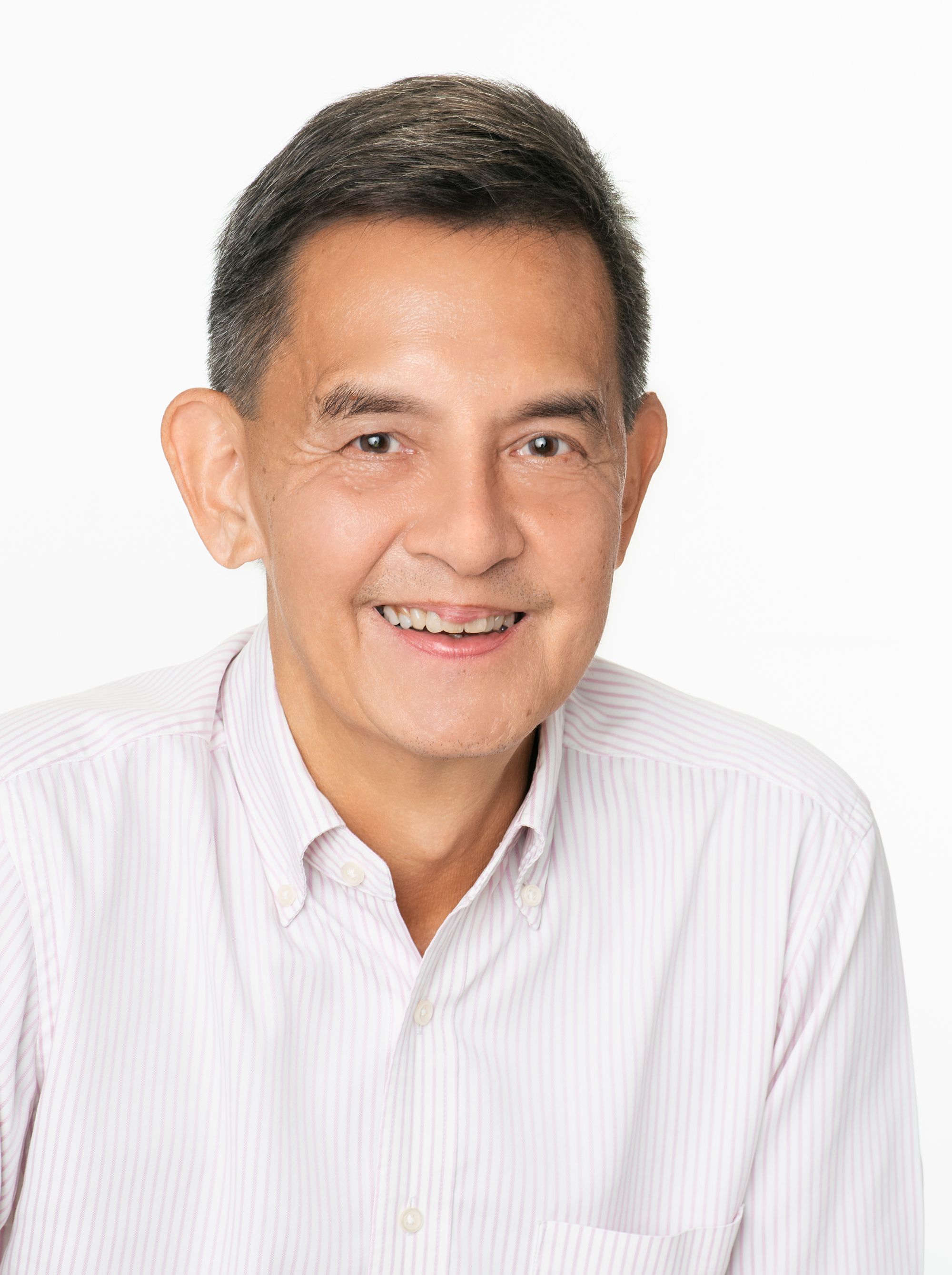
ALELI ARCILLA, managing director of Mondelēz International in the Philippines, and Dra. Imelda Agdeppa, former director of the Food and Nutrition Research Institute of DOST.


If last week was about a report on how we Filipinos lead the world in lack of sleep; the second rather troubling report was brought to our attention via this Mondelēz media event. The Harris Poll research on Philippine snacking, when connected to the SoS global survey, shows that the Philippines tops the world in snacking – again, we’re No. 1 in the world in something that we don’t have to be proud about.


That’s the simple fact, we’re tops – 98 percent of Filipinos surveyed, aged 18 or older, eat one snack a day, the global average is 91 percent. Plus we snack often, as 84 percent say they eat two snacks a day, way above the global average of 63 percent; and 42 percent said they snack three times a day, above the global average of 31 percent. At the very least, that’s our habit of mid-morning and mid-afternoon snacking, recorded for posterity.


And when asked, those surveyed would talk about snacking as energy boosters, a pick-me-up. There’s also the social aspect of snacking, how it provides connections, as 90 percent said that sharing snacks with others is “a love language.” Others said snacking is a way of treating themselves after a productive day – which begged the question of do they snack more when it’s been a stressful day? Just wondering.
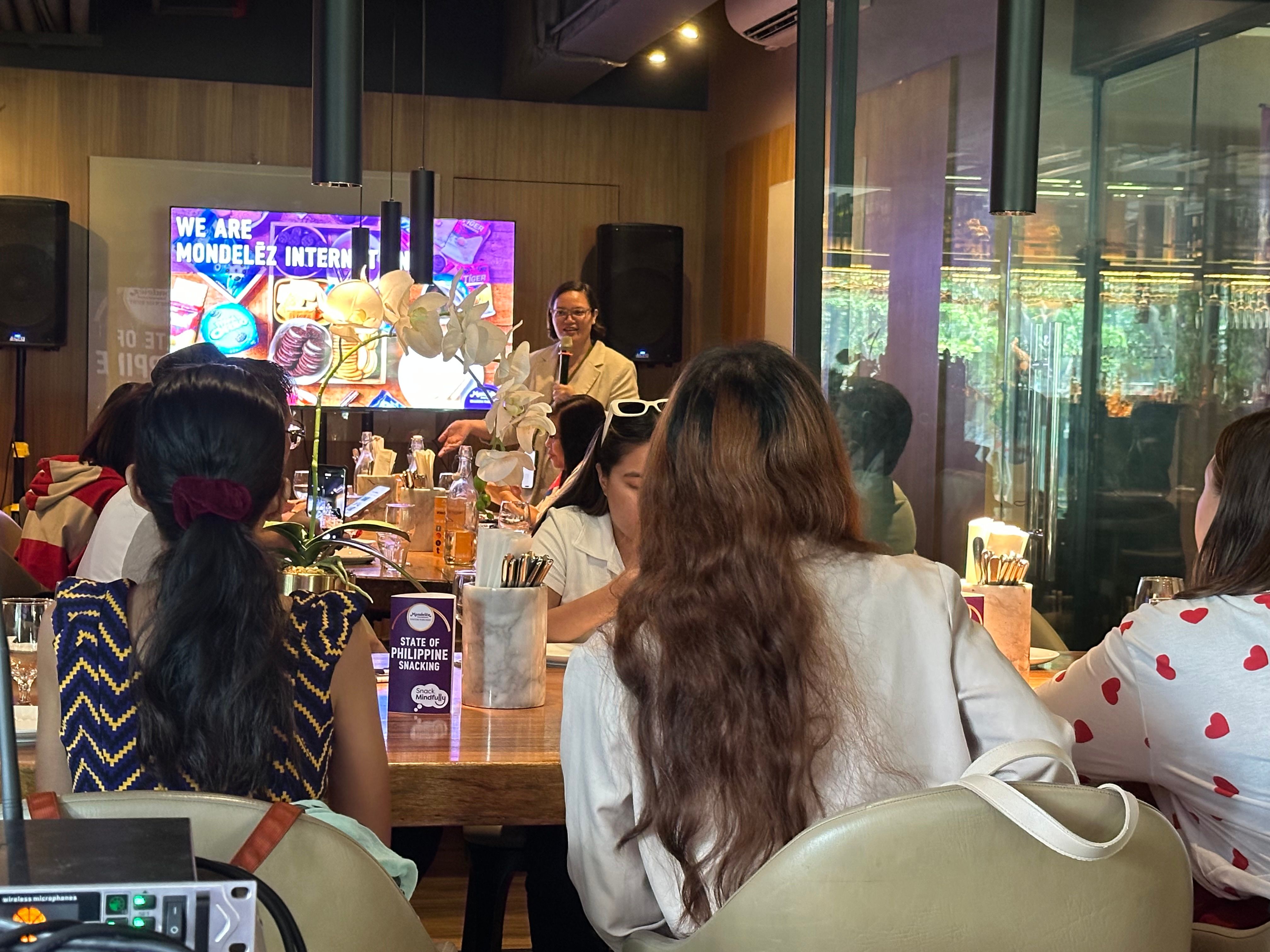
image1.jpeg
MONDELĒZ’s CAIT PUNZALAN opening the media event.


As Aleli Arcilla, managing director of Mondelēz International in the Philippines explained, “Snacking is an essential part of Filipino culture. It allows people to connect with family and friends, relive fond memories, and treat themselves after a productive day. The insights from this year’s State of Philippine Snacking Report confirm that Filipinos embrace snacking as part of their daily lives. At the same time, we see a shift towards more mindful choices, with consumers looking for snacks that balance enjoyment with nutrition.”


Mindful, nutritious snacking? I would say that’s easier said than done. Ninety-nine percent of Filipinos will claim they’re mindful, enjoy snacking in moderation, and look for portion-controlled snacks; but given a whopping 84 percent snack twice in a day, and 42 percent extend that to three times, I’d venture to say that a majority of those surveyed were merely paying lip service to the notion of moderation, and prioritizing the nutritional value of their snacks.


Besides, 86 percent agreed that some snacks should “just be for enjoyment or satisfaction” – and I can just imagine them saying this while dreaming of chicharon (pork cracklings). So perhaps the high percentage of yes to mindful, portion-controlled, could be partially attributed to wanting to say the right answer – after all, its not like the Harris pollsters were going to follow them around, and do lifestyle checks on their actual snacking habits.
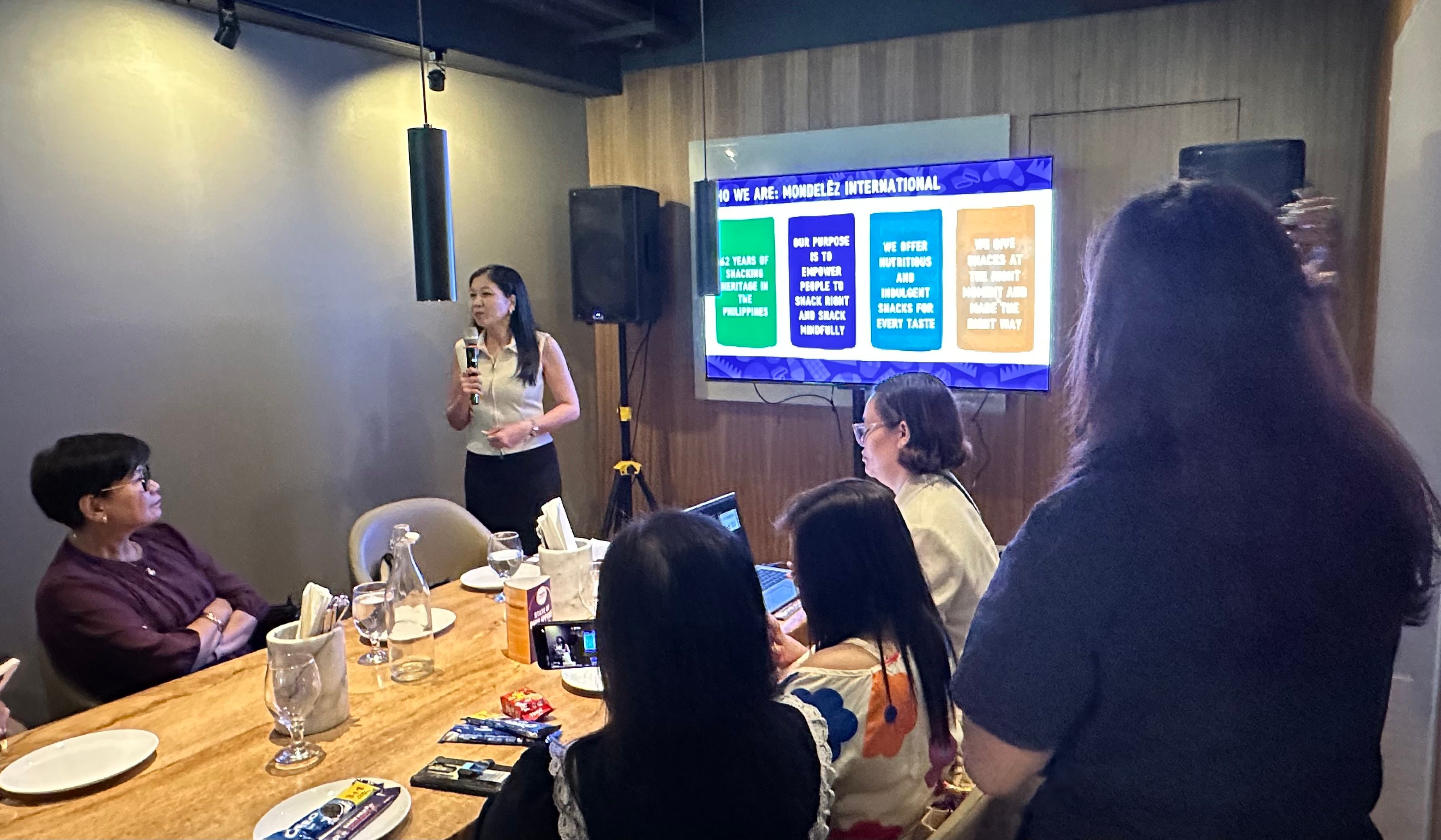
image2.jpeg
Learnings about snacking in the Philippines, thanks to the Mondelez event.


Dra. Imelda Agdeppa, is a former director of the Food and Nutrition Research Institute (FNRI), which falls under the Department of Science and Technology (DOST). She was a guest speaker at the Mondelēz event, and had this to say: “Snacking between meals can be good as it helps avoid over-eating, keeps appetite under control, can help increase intake of nutrients, helps deal with mood swings, and may help improve attention. But it is important to avoid too much snacking and keep within recommended portions.” And it goes without saying, that choice of what to snack on, it’s nutritional value, is vital.


Someone commented about how could it be the Philippines leading the world in snacking, when countries like Japan have a greater variety of snacks, with truly attractive packaging – just walk through the food halls of their big department stores. Me, I’d agree about the diversity and packaging observations, but I’d counter by saying that from what I know, the Japanese are also a much more disciplined people, and perhaps they truly stick to one snack a day.


Happy Easter snacking! If it’s embedded in our culture and lifestyle to snack more, let’s do so with purpose and intent.

Related Tags

Philip Cu Unjieng HEARD IT THROUGH THE GRIPE-VINE
ADVERTISEMENT
.most-popular .layout-ratio{ padding-bottom: 79.13%; } @media (min-width: 768px) and (max-width: 1024px) { .widget-title { font-size: 15px !important; } }

{{ articles_filter_1561_widget.title }}

.most-popular .layout-ratio{ padding-bottom: 79.13%; } @media (min-width: 768px) and (max-width: 1024px) { .widget-title { font-size: 15px !important; } }

{{ articles_filter_1562_widget.title }}

.most-popular .layout-ratio{ padding-bottom: 79.13%; } @media (min-width: 768px) and (max-width: 1024px) { .widget-title { font-size: 15px !important; } }

{{ articles_filter_1563_widget.title }}

{{ articles_filter_1564_widget.title }}

.mb-article-details { position: relative; } .mb-article-details .article-body-preview, .mb-article-details .article-body-summary{ font-size: 17px; line-height: 30px; font-family: "Libre Caslon Text", serif; color: #000; } .mb-article-details .article-body-preview iframe , .mb-article-details .article-body-summary iframe{ width: 100%; margin: auto; } .read-more-background { background: linear-gradient(180deg, color(display-p3 1.000 1.000 1.000 / 0) 13.75%, color(display-p3 1.000 1.000 1.000 / 0.8) 30.79%, color(display-p3 1.000 1.000 1.000) 72.5%); position: absolute; height: 200px; width: 100%; bottom: 0; display: flex; justify-content: center; align-items: center; padding: 0; } .read-more-background a{ color: #000; } .read-more-btn { padding: 17px 45px; font-family: Inter; font-weight: 700; font-size: 18px; line-height: 16px; text-align: center; vertical-align: middle; border: 1px solid black; background-color: white; } .hidden { display: none; }
function initializeAllSwipers() { // Get all hidden inputs with cms_article_id document.querySelectorAll('[id^="cms_article_id_"]').forEach(function (input) { const cmsArticleId = input.value; const articleSelector = '#article-' + cmsArticleId + ' .body_images'; const swiperElement = document.querySelector(articleSelector); if (swiperElement && !swiperElement.classList.contains('swiper-initialized')) { new Swiper(articleSelector, { loop: true, pagination: false, navigation: { nextEl: '#article-' + cmsArticleId + ' .swiper-button-next', prevEl: '#article-' + cmsArticleId + ' .swiper-button-prev', }, }); } }); } setTimeout(initializeAllSwipers, 3000); const intersectionObserver = new IntersectionObserver( (entries) => { entries.forEach((entry) => { if (entry.isIntersecting) { const newUrl = entry.target.getAttribute("data-url"); if (newUrl) { history.pushState(null, null, newUrl); let article = entry.target; // Extract metadata const author = article.querySelector('.author-section').textContent.replace('By', '').trim(); const section = article.querySelector('.section-info ').textContent.replace(' ', ' '); const title = article.querySelector('.article-title h1').textContent; // Parse URL for Chartbeat path format const parsedUrl = new URL(newUrl, window.location.origin); const cleanUrl = parsedUrl.host + parsedUrl.pathname; // Update Chartbeat configuration if (typeof window._sf_async_config !== 'undefined') { window._sf_async_config.path = cleanUrl; window._sf_async_config.sections = section; window._sf_async_config.authors = author; } // Track virtual page view with Chartbeat if (typeof pSUPERFLY !== 'undefined' && typeof pSUPERFLY.virtualPage === 'function') { try { pSUPERFLY.virtualPage({ path: cleanUrl, title: title, sections: section, authors: author }); } catch (error) { console.error('ping error', error); } } // Optional: Update document title if (title && title !== document.title) { document.title = title; } } } }); }, { threshold: 0.1 } ); function showArticleBody(button) { const article = button.closest("article"); const summary = article.querySelector(".article-body-summary"); const body = article.querySelector(".article-body-preview"); const readMoreSection = article.querySelector(".read-more-background"); // Hide summary and read-more section summary.style.display = "none"; readMoreSection.style.display = "none"; // Show the full article body body.classList.remove("hidden"); } document.addEventListener("DOMContentLoaded", () => { let loadCount = 0; // Track how many times articles are loaded const offset = [1, 2, 3, 4, 5, 6, 7, 8, 9, 10]; // Offset values const currentUrl = window.location.pathname.substring(1); let isLoading = false; // Prevent multiple calls if (!currentUrl) { console.log("Current URL is invalid."); return; } const sentinel = document.getElementById("load-more-sentinel"); if (!sentinel) { console.log("Sentinel element not found."); return; } function isSentinelVisible() { const rect = sentinel.getBoundingClientRect(); return ( rect.top < window.innerHeight && rect.bottom >= 0 ); } function onScroll() { if (isLoading) return; if (isSentinelVisible()) { if (loadCount >= offset.length) { console.log("Maximum load attempts reached."); window.removeEventListener("scroll", onScroll); return; } isLoading = true; const currentOffset = offset[loadCount]; window.loadMoreItems().then(() => { let article = document.querySelector('#widget_1690 > div:nth-last-of-type(2) article'); intersectionObserver.observe(article) loadCount++; }).catch(error => { console.error("Error loading more items:", error); }).finally(() => { isLoading = false; }); } } window.addEventListener("scroll", onScroll); });

Sign up by email to receive news.