

ADVERTISEMENT

Scorching weather puts 26 million students at risk during vacation, expert warns

Save the Children shares tips on how to protect kids from extreme heat

Published Apr 18, 2025 10:03 am

With more than 26 million students now on school break, a child expert is raising concerns over the dangers of extreme heat—especially for children who spend long hours outdoors or in homes without proper cooling.
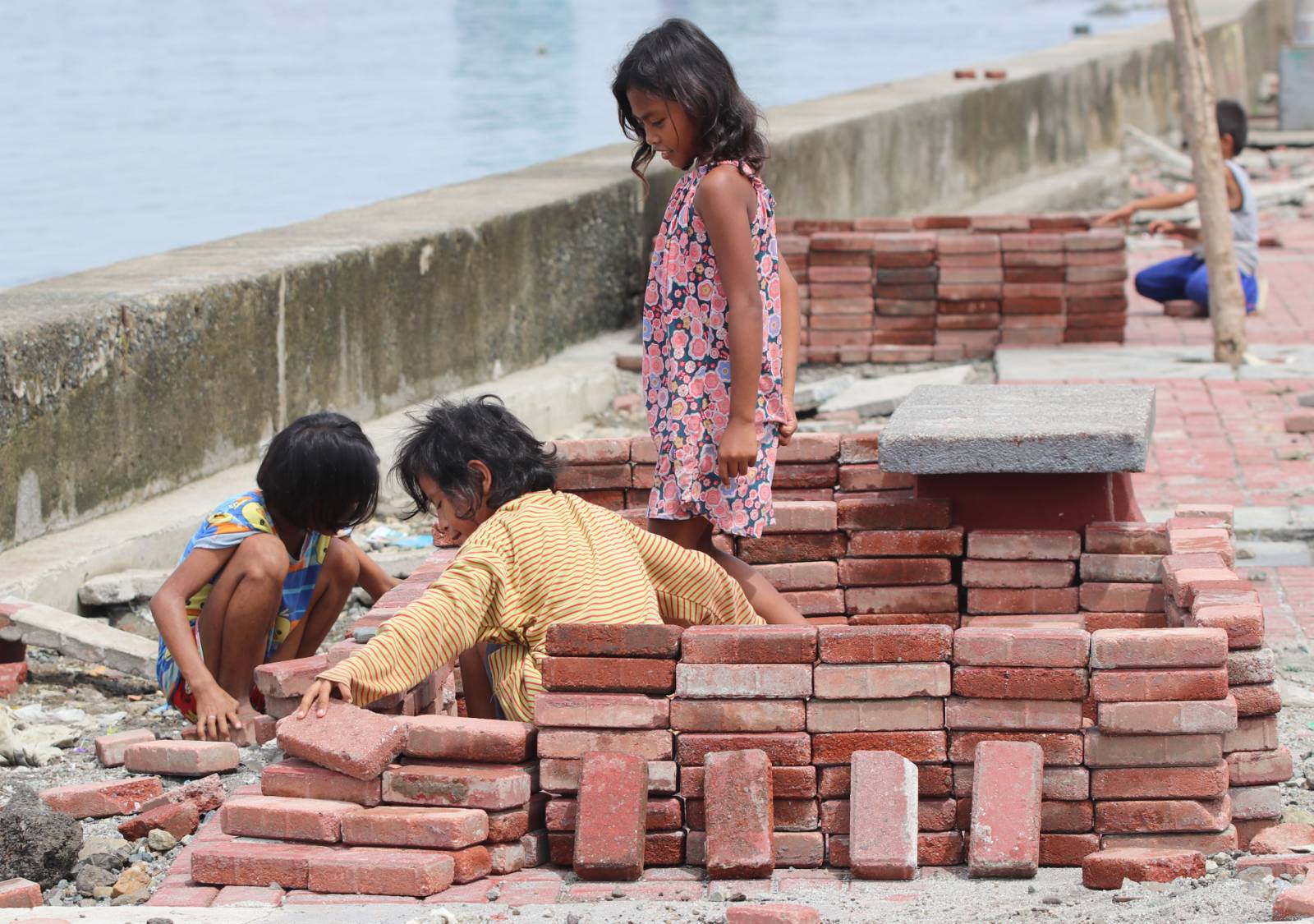
5CHILD~1.JPG
Children playing outside (ALI VICOY / MANILA BULLETIN / FILE PHOTO)

“Children, especially those under 5, are more vulnerable to scorching weather,” said Save the Children’s Early Childhood Care and Development Advisor Joy Sampang. “They are less able to regulate their body temperature while playing outdoors,” she added.

As temperatures rise, parents and communities are urged to take proactive steps to keep children safe and healthy during the sweltering summer months.

“Young children may also be unable to recognize or express symptoms of heat-related distress, making them more susceptible to harm,” Sampang said.

Students on break

The “summer” break has officially begun for millions of students nationwide as of April 16, following the SY 2024–2025 school calendar set by the Department of Education (DepEd).

According to the Philippine Atmospheric, Geophysical and Astronomical Services Administration (PAGASA), several areas across the country have been experiencing danger-level heat indices, ranging from 42°C to 47°C.

READ:

https://mb.com.ph/2025/4/18/dangerous-heat-index-in-16-areas

Save the Children emphasized that these extreme temperatures not only increase the risk of heatstroke and dehydration but also heighten the likelihood of respiratory illnesses, kidney disease, and emotional distress—impacting children’s ability to learn and play.

Given these risks, Sampang urges parents and caregivers to take extra precautions.

“When children feel exhausted, stressed, or anxious due to extreme heat, their focus, play, and learning suffer,” Sampang said. “We must create safe spaces where children can learn and thrive despite the rising temperatures,” she added.

Helping kids cope

With climate change driving temperatures to record highs, many students remain vulnerable due to limited access to cooling measures and safe recreational spaces—prompting calls for urgent government intervention and community support.

Regarded as the world’s first and leading independent children’s organization with more than 100 years of expertise, Save the Children recommends five simple ways to help children cope with extreme heat:

1. Use child-friendly language. Explain the risks of hot weather in words they can relate to: “When it's really hot outside, birds find shady trees to stay cool—just like we stay indoors to stay safe and comfortable.”

Pub_250415 Tips to Keep Children Safe and Comfortable in the Heat 02.png
(Courtesy of Save the Children)

2. Offer reassurance. Help children understand that feeling tired or uncomfortable in the heat is normal and that adults are doing their best to protect them.

3. Create cooling corners. Set up cozy, shaded spaces at home with soft pillows, books, and cooling packs where kids can rest when feeling overwhelmed.

Pub_250415 Tips to Keep Children Safe and Comfortable in the Heat 03.png
(Courtesy of Save the Children)

4. Practice breathing techniques. Try the “smell the flower, blow the candle” method to help children stay calm and centered.

5. Encourage self-expression. Invite kids to draw, tell stories, or talk about their feelings during hot days to help them process and cope with the heat.

Pub_250415 Tips to Keep Children Safe and Comfortable in the Heat 04.png
(Courtesy of Save the Children)

RELATED STORY:

https://mb.com.ph/2024/4/6/hot-days-hard-lessons-students-teachers-share-health-risks-learning-disruptions-amid-extreme-heat

Related Tags

Extreme heat hot weather HEAT INDEX Save The Children Philippines PAGASA
ADVERTISEMENT
.most-popular .layout-ratio{ padding-bottom: 79.13%; } @media (min-width: 768px) and (max-width: 1024px) { .widget-title { font-size: 15px !important; } }

{{ articles_filter_1561_widget.title }}

.most-popular .layout-ratio{ padding-bottom: 79.13%; } @media (min-width: 768px) and (max-width: 1024px) { .widget-title { font-size: 15px !important; } }

{{ articles_filter_1562_widget.title }}

.most-popular .layout-ratio{ padding-bottom: 79.13%; } @media (min-width: 768px) and (max-width: 1024px) { .widget-title { font-size: 15px !important; } }

{{ articles_filter_1563_widget.title }}

{{ articles_filter_1564_widget.title }}

.mb-article-details { position: relative; } .mb-article-details .article-body-preview, .mb-article-details .article-body-summary{ font-size: 17px; line-height: 30px; font-family: "Libre Caslon Text", serif; color: #000; } .mb-article-details .article-body-preview iframe , .mb-article-details .article-body-summary iframe{ width: 100%; margin: auto; } .read-more-background { background: linear-gradient(180deg, color(display-p3 1.000 1.000 1.000 / 0) 13.75%, color(display-p3 1.000 1.000 1.000 / 0.8) 30.79%, color(display-p3 1.000 1.000 1.000) 72.5%); position: absolute; height: 200px; width: 100%; bottom: 0; display: flex; justify-content: center; align-items: center; padding: 0; } .read-more-background a{ color: #000; } .read-more-btn { padding: 17px 45px; font-family: Inter; font-weight: 700; font-size: 18px; line-height: 16px; text-align: center; vertical-align: middle; border: 1px solid black; background-color: white; } .hidden { display: none; }
function initializeAllSwipers() { // Get all hidden inputs with cms_article_id document.querySelectorAll('[id^="cms_article_id_"]').forEach(function (input) { const cmsArticleId = input.value; const articleSelector = '#article-' + cmsArticleId + ' .body_images'; const swiperElement = document.querySelector(articleSelector); if (swiperElement && !swiperElement.classList.contains('swiper-initialized')) { new Swiper(articleSelector, { loop: true, pagination: false, navigation: { nextEl: '#article-' + cmsArticleId + ' .swiper-button-next', prevEl: '#article-' + cmsArticleId + ' .swiper-button-prev', }, }); } }); } setTimeout(initializeAllSwipers, 3000); const intersectionObserver = new IntersectionObserver( (entries) => { entries.forEach((entry) => { if (entry.isIntersecting) { const newUrl = entry.target.getAttribute("data-url"); if (newUrl) { history.pushState(null, null, newUrl); let article = entry.target; // Extract metadata const author = article.querySelector('.author-section').textContent.replace('By', '').trim(); const section = article.querySelector('.section-info ').textContent.replace(' ', ' '); const title = article.querySelector('.article-title h1').textContent; // Parse URL for Chartbeat path format const parsedUrl = new URL(newUrl, window.location.origin); const cleanUrl = parsedUrl.host + parsedUrl.pathname; // Update Chartbeat configuration if (typeof window._sf_async_config !== 'undefined') { window._sf_async_config.path = cleanUrl; window._sf_async_config.sections = section; window._sf_async_config.authors = author; } // Track virtual page view with Chartbeat if (typeof pSUPERFLY !== 'undefined' && typeof pSUPERFLY.virtualPage === 'function') { try { pSUPERFLY.virtualPage({ path: cleanUrl, title: title, sections: section, authors: author }); } catch (error) { console.error('ping error', error); } } // Optional: Update document title if (title && title !== document.title) { document.title = title; } } } }); }, { threshold: 0.1 } ); function showArticleBody(button) { const article = button.closest("article"); const summary = article.querySelector(".article-body-summary"); const body = article.querySelector(".article-body-preview"); const readMoreSection = article.querySelector(".read-more-background"); // Hide summary and read-more section summary.style.display = "none"; readMoreSection.style.display = "none"; // Show the full article body body.classList.remove("hidden"); } document.addEventListener("DOMContentLoaded", () => { let loadCount = 0; // Track how many times articles are loaded const offset = [1, 2, 3, 4, 5, 6, 7, 8, 9, 10]; // Offset values const currentUrl = window.location.pathname.substring(1); let isLoading = false; // Prevent multiple calls if (!currentUrl) { console.log("Current URL is invalid."); return; } const sentinel = document.getElementById("load-more-sentinel"); if (!sentinel) { console.log("Sentinel element not found."); return; } function isSentinelVisible() { const rect = sentinel.getBoundingClientRect(); return ( rect.top < window.innerHeight && rect.bottom >= 0 ); } function onScroll() { if (isLoading) return; if (isSentinelVisible()) { if (loadCount >= offset.length) { console.log("Maximum load attempts reached."); window.removeEventListener("scroll", onScroll); return; } isLoading = true; const currentOffset = offset[loadCount]; window.loadMoreItems().then(() => { let article = document.querySelector('#widget_1690 > div:nth-last-of-type(2) article'); intersectionObserver.observe(article) loadCount++; }).catch(error => { console.error("Error loading more items:", error); }).finally(() => { isLoading = false; }); } } window.addEventListener("scroll", onScroll); });

Sign up by email to receive news.