






 Philippines
National
Over 1.2-M passengers recorded in various seaports, NAIA so far
Philippines
National
Over 1.2-M passengers recorded in various seaports, NAIA so far
Over 1.2-M passengers recorded in various seaports, NAIA so far


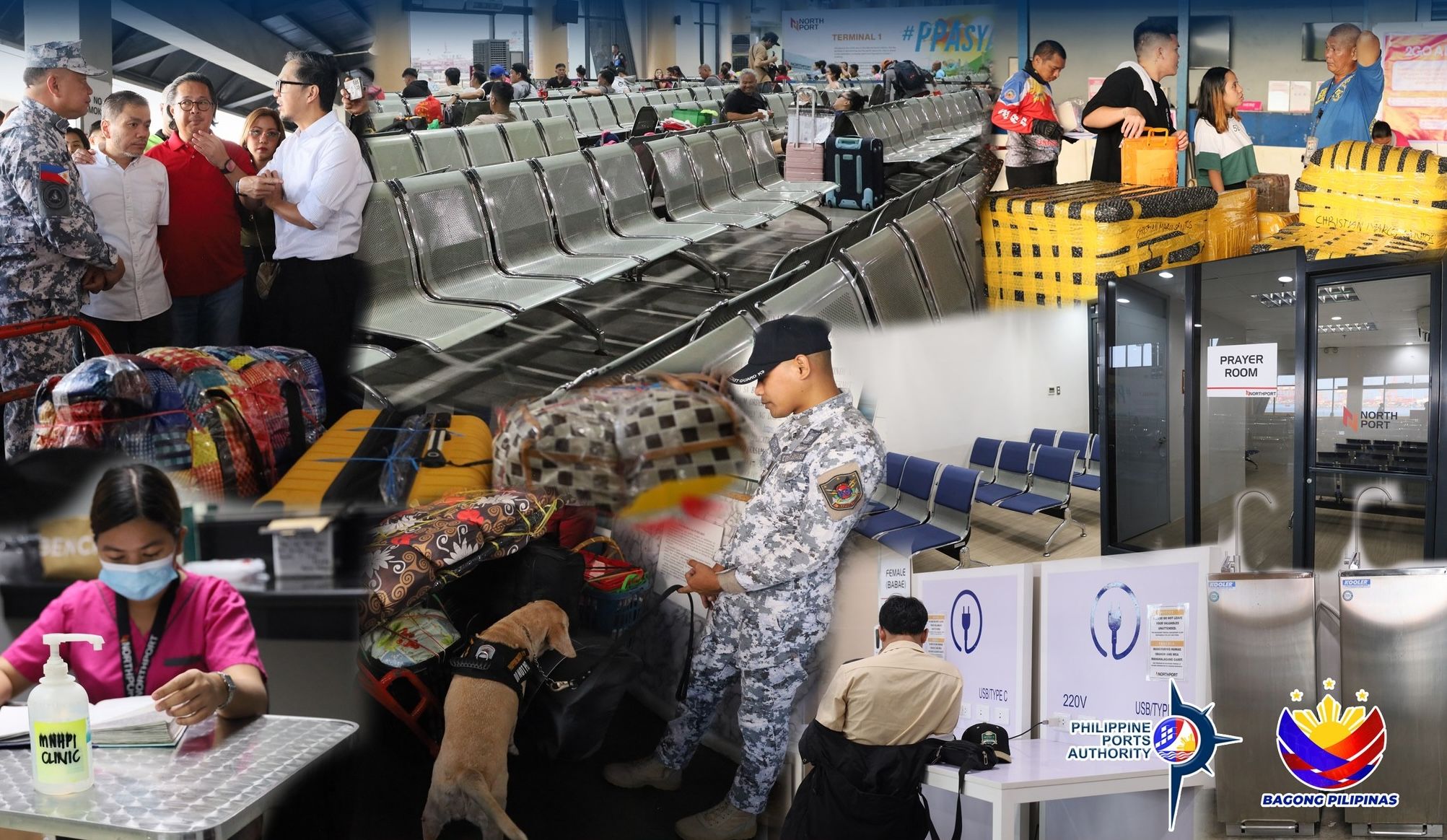
The Philippine Ports Authority (PPA) recorded over 857,000 passengers from April 12 to 14 in all its ports nationwide amid the influx of people heading to the provinces for the long Lenten break.
On the other hand, the New NAIA Infra Corporation (NNIC) said it already recorded over 387,000 passengers at the Ninoy Aquino International Airport from April 13 to April 15.
The PPA is expecting at least 1.73 million passengers during the entire Holy Week, and the agency’s general manager, Jay Daniel Santiago, said it is expected to be slightly higher from last year’s 1.67 million recorded passengers.
Based on the PPA data, a total of 211,221 passengers were recorded on Saturday, April 12, followed by 217,389 passengers the following day, or on April 13.
On Monday, a total of 194,922 passengers were recorded and another 234,268 passengers on Tuesday, April 15.
PPA spokesperson Eunice Samonte said the top five ports in terms of passenger traffic are Port Management Offices (PMO) of Batangas, PMO Mindoro on the second spot with highest number of expected passengers, PMO Panay/Guimaras still on the third spot same as last year, PMO Negros Orriental/ Siquijor, and PMO Bohol.
In the port of Batangas alone, around 20,000 to 25,000 daily average passengers are recorded during peak seasons.
Santiago earlier declared the PPA’s readiness for the Holy Week exodus, saying the agency has mobilized additional personnel and enhanced terminal operations across key ports.
“Measures include optimizing passenger terminal facilities, ensuring the functionality of security and safety equipment, and deploying port police for crowd control and assistance,” said Santiago.
Help desks were also established in major ports nationwide for immediate information concerns of travelers along with the port police and representatives from the Philippine Coast Guard (PCG), Maritime Industry Authority (Marina).
Airport situation
From Sunday, April 13 to Tuesday, April 15, more than 387,000 passengers were recorded at the Ninoy Aquino International Airport (NAIA).
In a statement, the New NAIA Infra Corporation (NNIC) said the figure showed a strong start of air travel in this year’s Holy Week break.
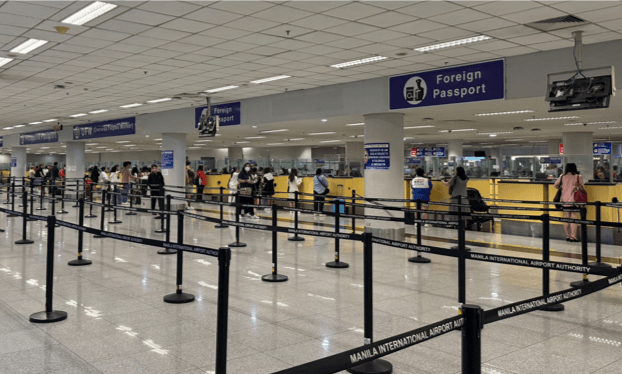
Based on the NNIC data, a total of 150,511 passengers were recorded on Palm Sunday, which is higher compared to the recorded passenger on the same day last year with 134,660.
For Holy Monday, a total of 142,560 passengers were recorded compared to 124,481 last year; while a total of 140,407 passengers were recorded at the NAIA on Holy Tuesday compared to 128,047 in 2024.
“Despite higher passenger traffic, airport operations have so far been smooth, with measures put in place to better manage the surge, working as planned. More traffic personnel were deployed to better manage vehicular traffic going in and out of the terminals,” the NNIC said in a statement.
“Passenger assistance booths have also been put up, manned by NNIC personnel together with medical and security staff to further ensure the safety and convenience of passengers,” it added.
The NNIC earlier said it is expecting around 1.2 million passengers for the entire Holy Week.
Road repair, construction stoppage
The San Miguel Corporation Infrastructure said it stopped all roadworks and construction activities at expressways to help ensure that the traffic flow will not be disrupted.
In a statement, it said the roadworks and construction stoppage has started on April 11 until 10 p.m. on April 21 in order to improve the good flow of traffic as the company anticipates heavy traffic particularly at interchanges linking its tollways to national highways and other expressways.
SMC chairman and chief executive officer Ramon S. Ang said traffic management plans are already in place for the Southern Tagalog Arterial Road (STAR), South Luzon Expressway (SLEX), the Skyway System, NAIA Expressway, and the Tarlac-Pangasinan-La Union Expressway (TPLEX).
“Our instruction to our operations personnel is to make sure that our traffic management plans are in sync with the different towns and cities so that traffic flows smoothly along public roads. When public roads are congested, motorists along our carriageways are also affected as traffic can extend to the exits and onto the main line,” said Ang.
“We hope that through close and constant collaboration with traffic management teams of LGUs, we can help reduce traffic buildups especially at critical points of convergence within our towns and cities,” he added.
Ang said the company’s contingency measures include increasing the deployment of tollway personnel such as patrollers and emergency responders, to assist those in need.