

ADVERTISEMENT

Pilita Corrales: A timeline

Published Apr 12, 2025 05:32 am

At A Glance

  • This remarkable milestone signifies nearly seven glorious decades as one of the Philippines' most beloved entertainers. 
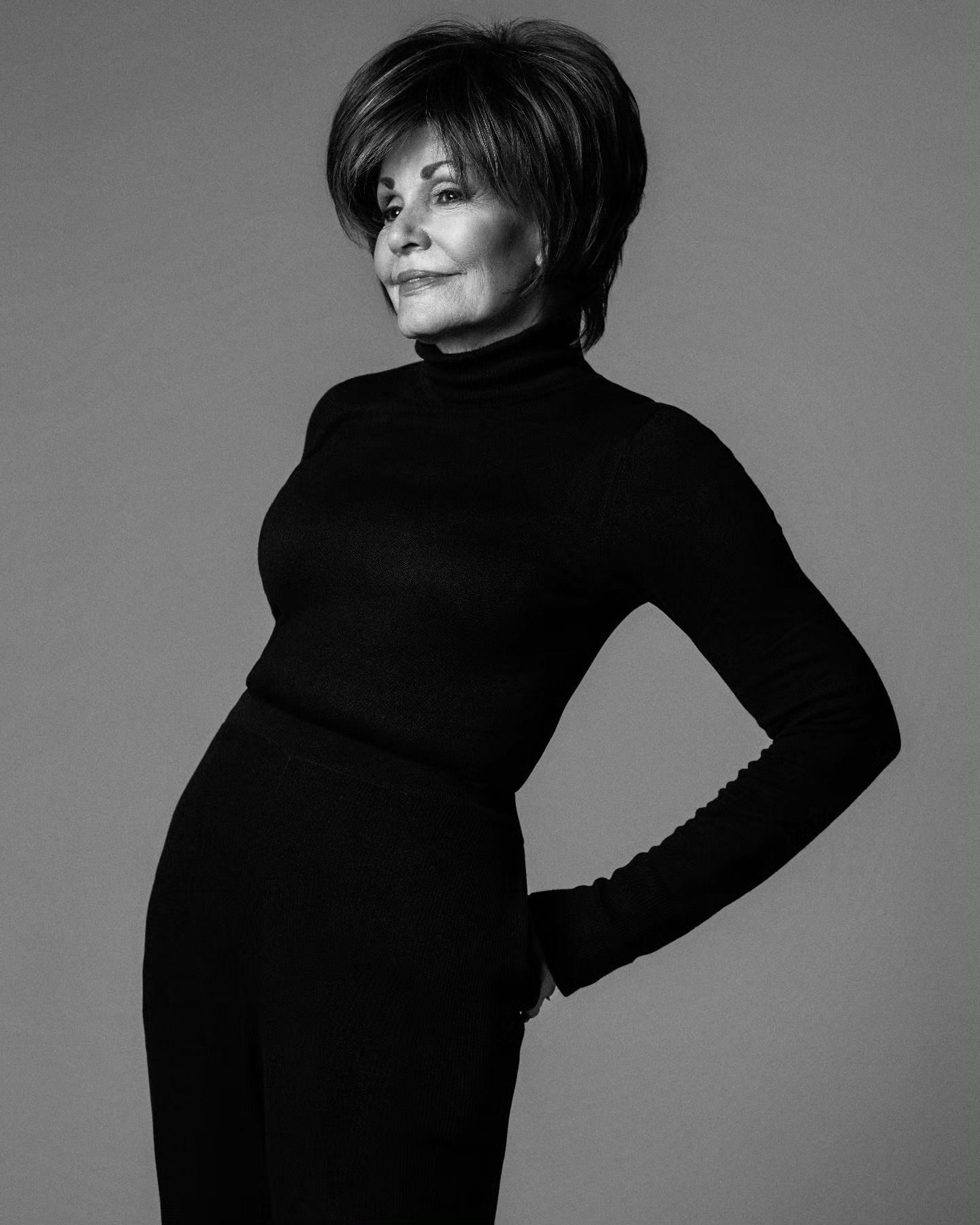
pilita1.jpg
Pilita Corrales (Facebook)

On Aug. 22, 2024, the enchanting Pilita Corrales, revered as Asia’s Queen of Songs, celebrated her 85th birthday. 

This remarkable milestone signifies nearly seven glorious decades as one of the Philippines’ most beloved entertainers. 

Her successful career shows her amazing talent and lasting charm. She captivates audiences with each heartfelt note and mesmerizing performance. 

1939–Born in Lahug, Cebu City, on Aug. 22. Her parents are Hispano-Filipinos José Corrales de Zaragoza and María Garrido Manzano.

1957—Pilita began her recording career in Australia. Her first hit was "Come Closer To Me." She later recorded three albums.

1960 –She recorded the cover of the hit song "A Million Thanks to You," written by Alice Doria-Gamilla. It became the first Filipino song to sell one million copies. The same song became the theme of her variety show "An Evening With Pilita." It was recorded in seven languages by other artists. Pilita has also recorded songs in various Filipino dialects.

1963 – Following stints in Australia, she returned to Manila to resume her music career. She hosted a radio program entitled La Taverna over DZPI. She married Spanish executive businessman Gonzalo Blanco.

1968 – Pilita debuted in the Filipino movie Miss Wawaw. She continued to shoot more films for two years.

1970 – She revived the George Canseco classic "Kapantay Ay Langit," which became a monster hit.

1972 – Pilita won the Best Performer Award during the 1st Tokyo Music Festival, where she bested other singers, including Olivia Newton-John.

1980s—She became the first Filipino singer to perform at Caesar's Palace in Las Vegas, Nevada, upon the invitation of American crooner Sammy Davis Jr.

1991—Pilita received the Lifetime Achievement Award from the Philippine Association of the Record Industry (PARI) for bringing Filipino musical artistry to an international audience. 

2006–She became a celebrity judge for the first-ever Philippine Idol, a franchise of the hit US reality show American Idol.

2007–Pilita became a celebrity judge for Asian Idol, also a franchise of the popular American reality program American Idol, held in Indonesia.

2010–The singer said she has quit smoking. But she revealed she suffered from vertigo.

2024–Pilita received the Icon Award at the Billboard Philippines Women in Music Awards.

ADVERTISEMENT
.most-popular .layout-ratio{ padding-bottom: 79.13%; } @media (min-width: 768px) and (max-width: 1024px) { .widget-title { font-size: 15px !important; } }

{{ articles_filter_1561_widget.title }}

.most-popular .layout-ratio{ padding-bottom: 79.13%; } @media (min-width: 768px) and (max-width: 1024px) { .widget-title { font-size: 15px !important; } }

{{ articles_filter_1562_widget.title }}

.most-popular .layout-ratio{ padding-bottom: 79.13%; } @media (min-width: 768px) and (max-width: 1024px) { .widget-title { font-size: 15px !important; } }

{{ articles_filter_1563_widget.title }}

{{ articles_filter_1564_widget.title }}

.mb-article-details { position: relative; } .mb-article-details .article-body-preview, .mb-article-details .article-body-summary{ font-size: 17px; line-height: 30px; font-family: "Libre Caslon Text", serif; color: #000; } .mb-article-details .article-body-preview iframe , .mb-article-details .article-body-summary iframe{ width: 100%; margin: auto; } .read-more-background { background: linear-gradient(180deg, color(display-p3 1.000 1.000 1.000 / 0) 13.75%, color(display-p3 1.000 1.000 1.000 / 0.8) 30.79%, color(display-p3 1.000 1.000 1.000) 72.5%); position: absolute; height: 200px; width: 100%; bottom: 0; display: flex; justify-content: center; align-items: center; padding: 0; } .read-more-background a{ color: #000; } .read-more-btn { padding: 17px 45px; font-family: Inter; font-weight: 700; font-size: 18px; line-height: 16px; text-align: center; vertical-align: middle; border: 1px solid black; background-color: white; } .hidden { display: none; }
function initializeAllSwipers() { // Get all hidden inputs with cms_article_id document.querySelectorAll('[id^="cms_article_id_"]').forEach(function (input) { const cmsArticleId = input.value; const articleSelector = '#article-' + cmsArticleId + ' .body_images'; const swiperElement = document.querySelector(articleSelector); if (swiperElement && !swiperElement.classList.contains('swiper-initialized')) { new Swiper(articleSelector, { loop: true, pagination: false, navigation: { nextEl: '#article-' + cmsArticleId + ' .swiper-button-next', prevEl: '#article-' + cmsArticleId + ' .swiper-button-prev', }, }); } }); } setTimeout(initializeAllSwipers, 3000); const intersectionObserver = new IntersectionObserver( (entries) => { entries.forEach((entry) => { if (entry.isIntersecting) { const newUrl = entry.target.getAttribute("data-url"); if (newUrl) { history.pushState(null, null, newUrl); let article = entry.target; // Extract metadata const author = article.querySelector('.author-section').textContent.replace('By', '').trim(); const section = article.querySelector('.section-info ').textContent.replace(' ', ' '); const title = article.querySelector('.article-title h1').textContent; // Parse URL for Chartbeat path format const parsedUrl = new URL(newUrl, window.location.origin); const cleanUrl = parsedUrl.host + parsedUrl.pathname; // Update Chartbeat configuration if (typeof window._sf_async_config !== 'undefined') { window._sf_async_config.path = cleanUrl; window._sf_async_config.sections = section; window._sf_async_config.authors = author; } // Track virtual page view with Chartbeat if (typeof pSUPERFLY !== 'undefined' && typeof pSUPERFLY.virtualPage === 'function') { try { pSUPERFLY.virtualPage({ path: cleanUrl, title: title, sections: section, authors: author }); } catch (error) { console.error('ping error', error); } } // Optional: Update document title if (title && title !== document.title) { document.title = title; } } } }); }, { threshold: 0.1 } ); function showArticleBody(button) { const article = button.closest("article"); const summary = article.querySelector(".article-body-summary"); const body = article.querySelector(".article-body-preview"); const readMoreSection = article.querySelector(".read-more-background"); // Hide summary and read-more section summary.style.display = "none"; readMoreSection.style.display = "none"; // Show the full article body body.classList.remove("hidden"); } document.addEventListener("DOMContentLoaded", () => { let loadCount = 0; // Track how many times articles are loaded const offset = [1, 2, 3, 4, 5, 6, 7, 8, 9, 10]; // Offset values const currentUrl = window.location.pathname.substring(1); let isLoading = false; // Prevent multiple calls if (!currentUrl) { console.log("Current URL is invalid."); return; } const sentinel = document.getElementById("load-more-sentinel"); if (!sentinel) { console.log("Sentinel element not found."); return; } function isSentinelVisible() { const rect = sentinel.getBoundingClientRect(); return ( rect.top < window.innerHeight && rect.bottom >= 0 ); } function onScroll() { if (isLoading) return; if (isSentinelVisible()) { if (loadCount >= offset.length) { console.log("Maximum load attempts reached."); window.removeEventListener("scroll", onScroll); return; } isLoading = true; const currentOffset = offset[loadCount]; window.loadMoreItems().then(() => { let article = document.querySelector('#widget_1690 > div:nth-last-of-type(2) article'); intersectionObserver.observe(article) loadCount++; }).catch(error => { console.error("Error loading more items:", error); }).finally(() => { isLoading = false; }); } } window.addEventListener("scroll", onScroll); });

Sign up by email to receive news.