

ADVERTISEMENT

Innovative living starts here: Home appliances redefining style and function

A kitchen is only as good as the life lived in it, and Sub-Zero and Wolf's new releases are designed for every moment in between

Published Apr 11, 2025 11:16 am

The appliances we choose for our homes should make everyday tasks easier. We look for performance we can rely on and design that fits seamlessly into the way we live. Sub-Zero and Wolf understand this balance. Their latest appliances are built to deliver efficiency, precision, and durability—while also enhancing the look and feel of the kitchen.
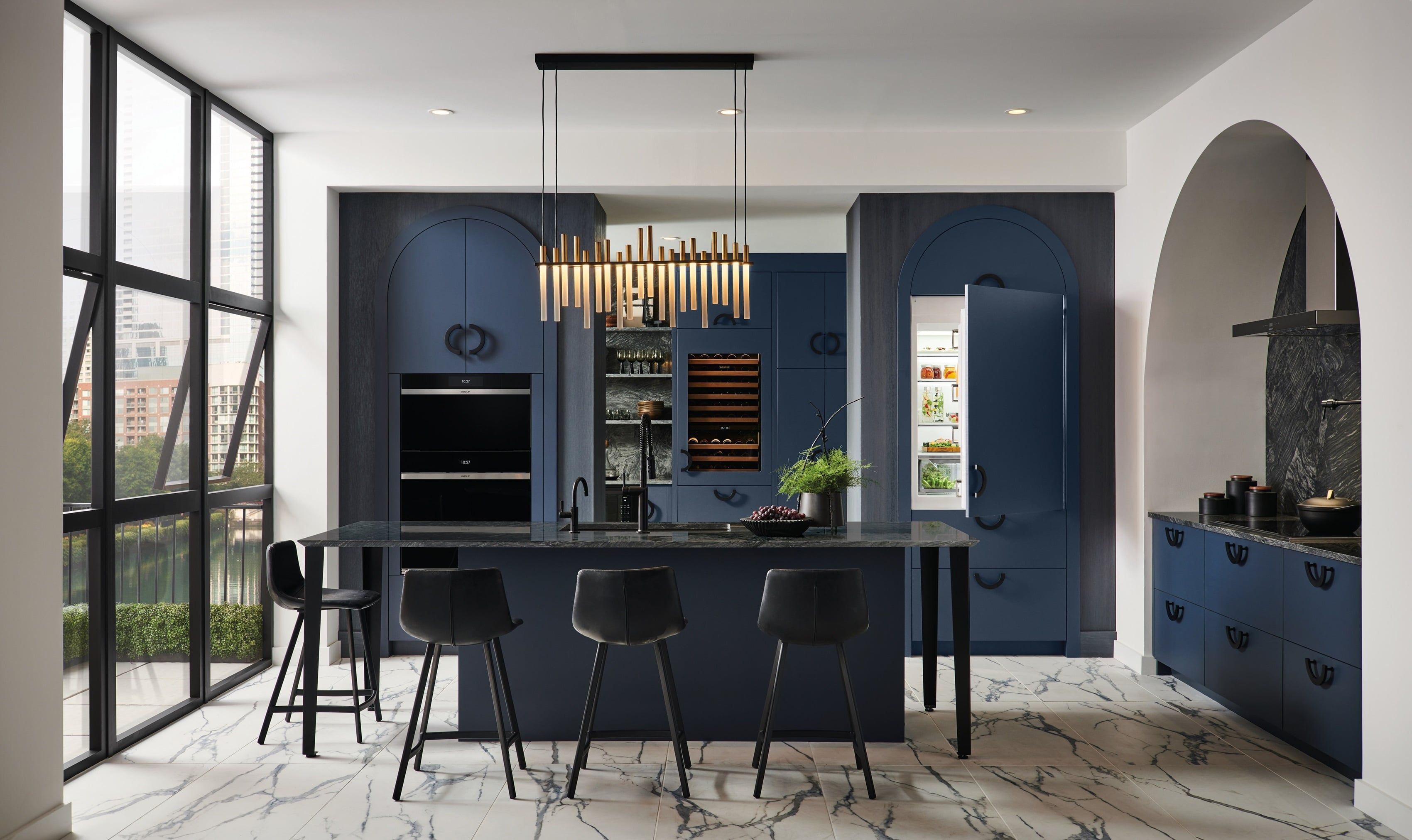
1 - Sub-Zero and Wolf Kitchen-min.jpg
Sub-Zero and Wolf kitchen

With the launch of Sub-Zero’s new Classic Series and Designer Series refrigeration collections, and Wolf’s reengineered oven tech, the two brands once again push the conversation forward. These latest innovations aren’t loud or flashy. Instead, they speak through quiet precision and purpose—through materials, light, touch, and control.
2A - Sub-Zero Designer Refrigerator-min.jpg
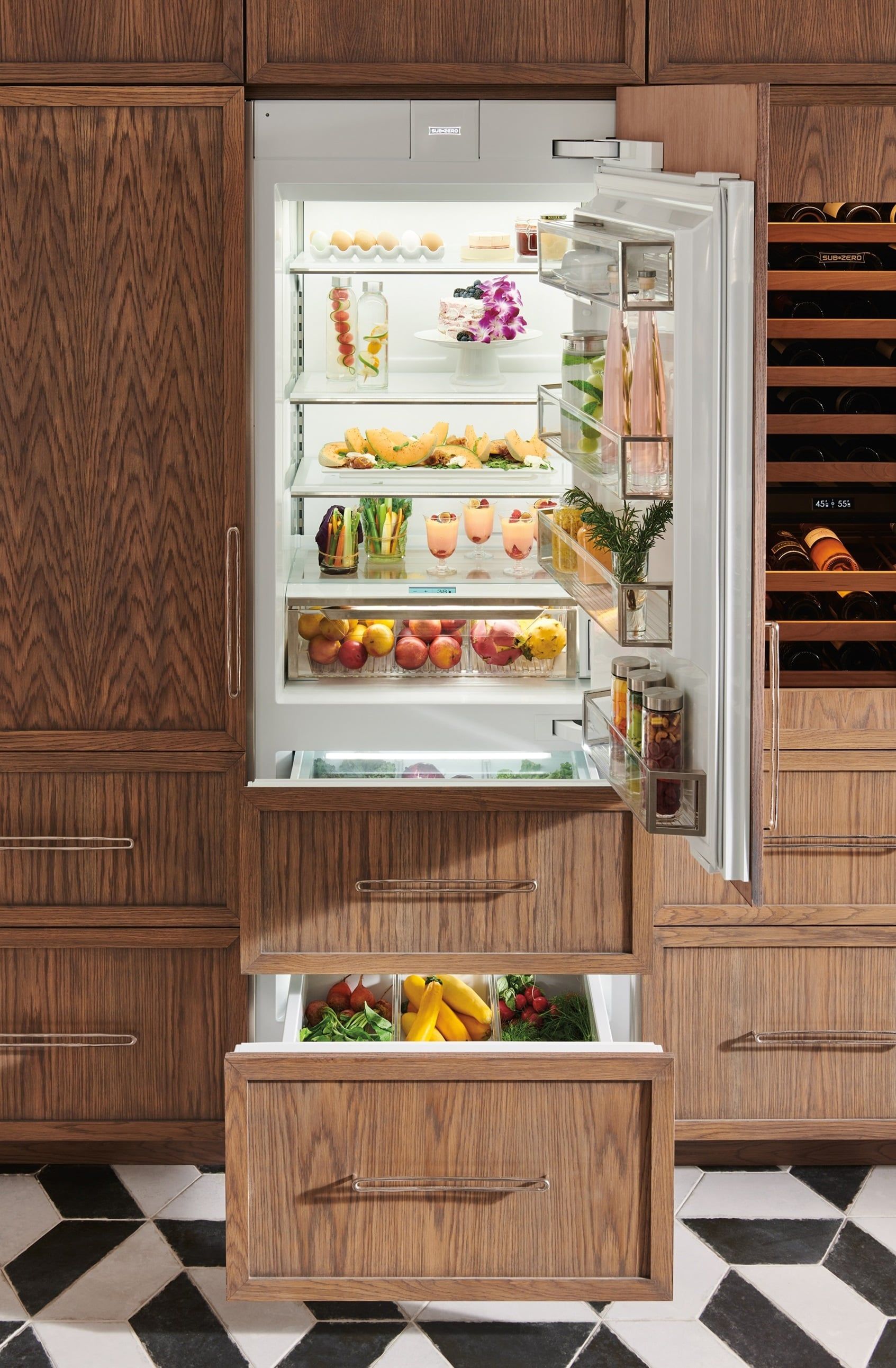
Sub-Zero Designer refrigerator

Jim Bakke, president and CEO of Sub-Zero Group, Inc., shared that the newest refrigeration collections reflect the brand’s continued focus on quality, with every feature designed to support freshness from the start. “Our commitment to producing superior preservation solutions that offer dependable performance and innovative design remains at the core of everything we do, and the new Sub-Zero Classic Series and Designer Series Refrigeration are no exception.”
2C - Sub-Zero Designer Refrigerator-min.jpg

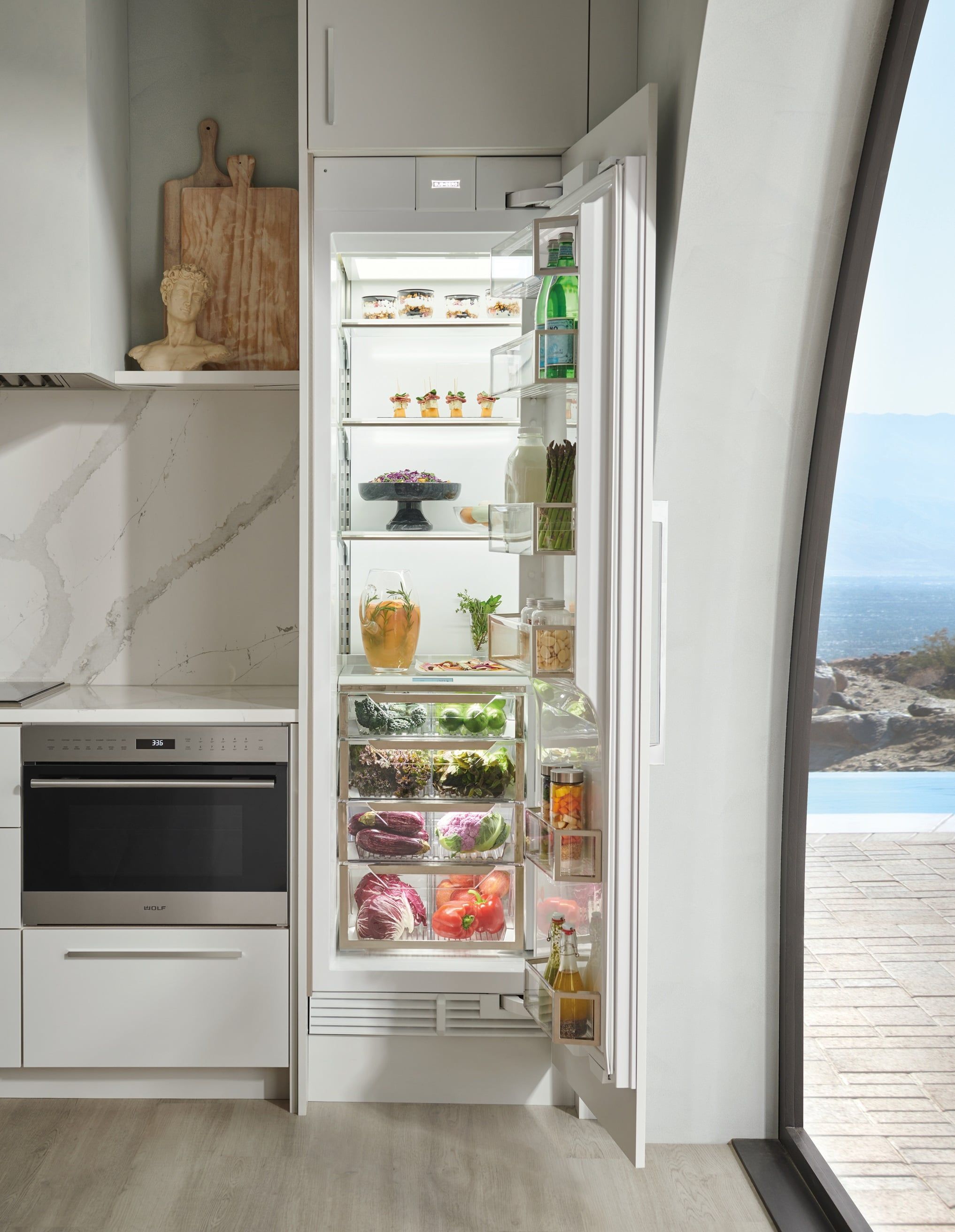
Refrigerators don’t usually get much credit for visual appeal. But the new Sub-Zero Classic Series makes a strong case for reconsidering that. It holds onto the brand’s signature stainless steel presence: bold, durable, unmistakable. The Designer Series, on the other hand, goes full stealth mode. Hidden behind custom panels, it disappears into the background, letting the rest of the kitchen speak.

But it’s what happens when the door opens that tells the real story. The ClearSight LED lighting feature brings a soft but even brightness to every corner—no more mystery produce at the back. A Night Mode dims the lights by 90 percent after dark, for that late-night snack that doesn’t wake up the house.
3 - Wolf Double Oven-min.jpg
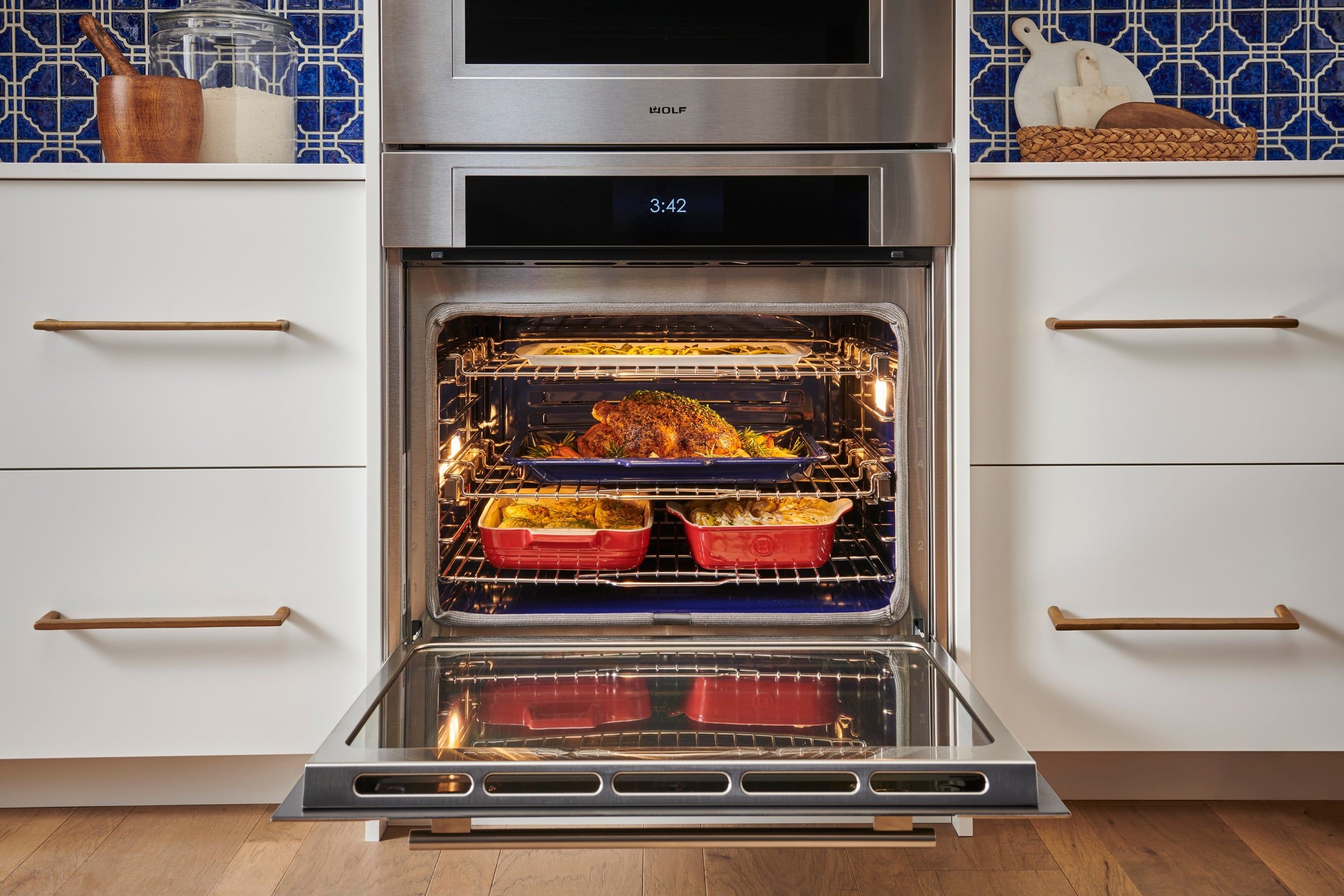
Wolf double oven

Inside, it’s all about usability. The touch control panel is simple, quick, and tucked where it makes sense. Adjustable shelves and a smart flip-up dairy compartment mean there’s a place for everything. Even the air purification system has been reworked, sliding out neatly so it’s easy to check and clean. Inspired by NASA tech, it quietly filters out ethylene gas and odors to keep ingredients fresher, longer.

Flavor starts with freshness, and freshness depends on stability: temperature, humidity, airflow. That’s where Sub-Zero’s Split Climate Intelligent Cooling System comes in, offering dual-zone precision that keeps everything from leafy greens to leftovers at their best. Crisper drawers get an upgrade too, with better humidity control that holds onto texture and taste.
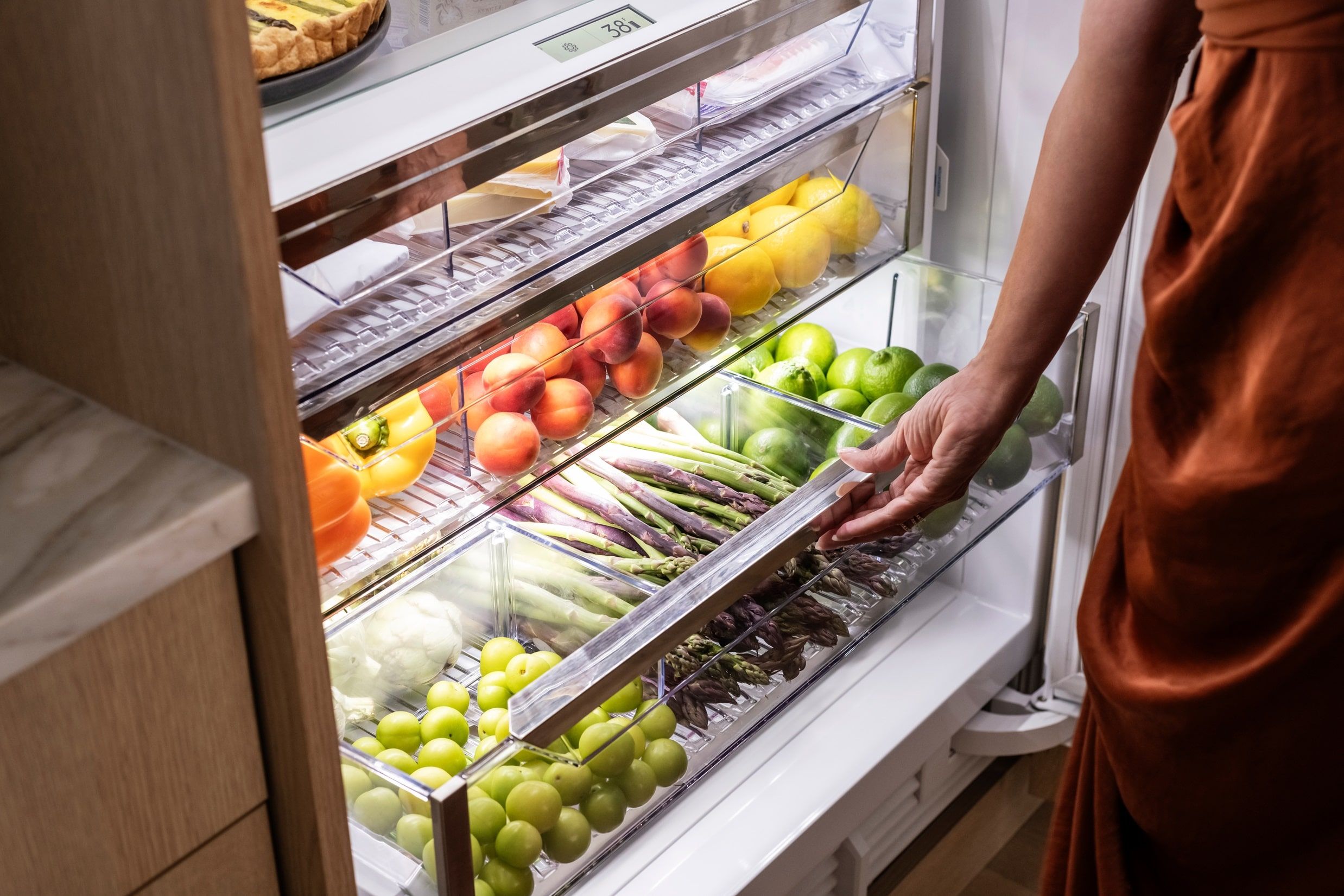
4 - Sub-Zero Interior-min.jpg
Framed by stainless accents, fresh produce stays crisp inside the Sub-Zero refrigerator’s humidity-optimized interior.

When it’s time to heat up the preserved goods, Wolf appliances are built to match the standard that Sub-Zero refrigeration sets. In the kitchen, they don’t compete—they collaborate. With the Dual VertiFlow Convection System, Wolf ovens now offer more consistent heat than ever before. It doesn’t matter whether you’re baking a single sheet of cookies or roasting dinner for ten—hot spots are gone, and results are reliably good.
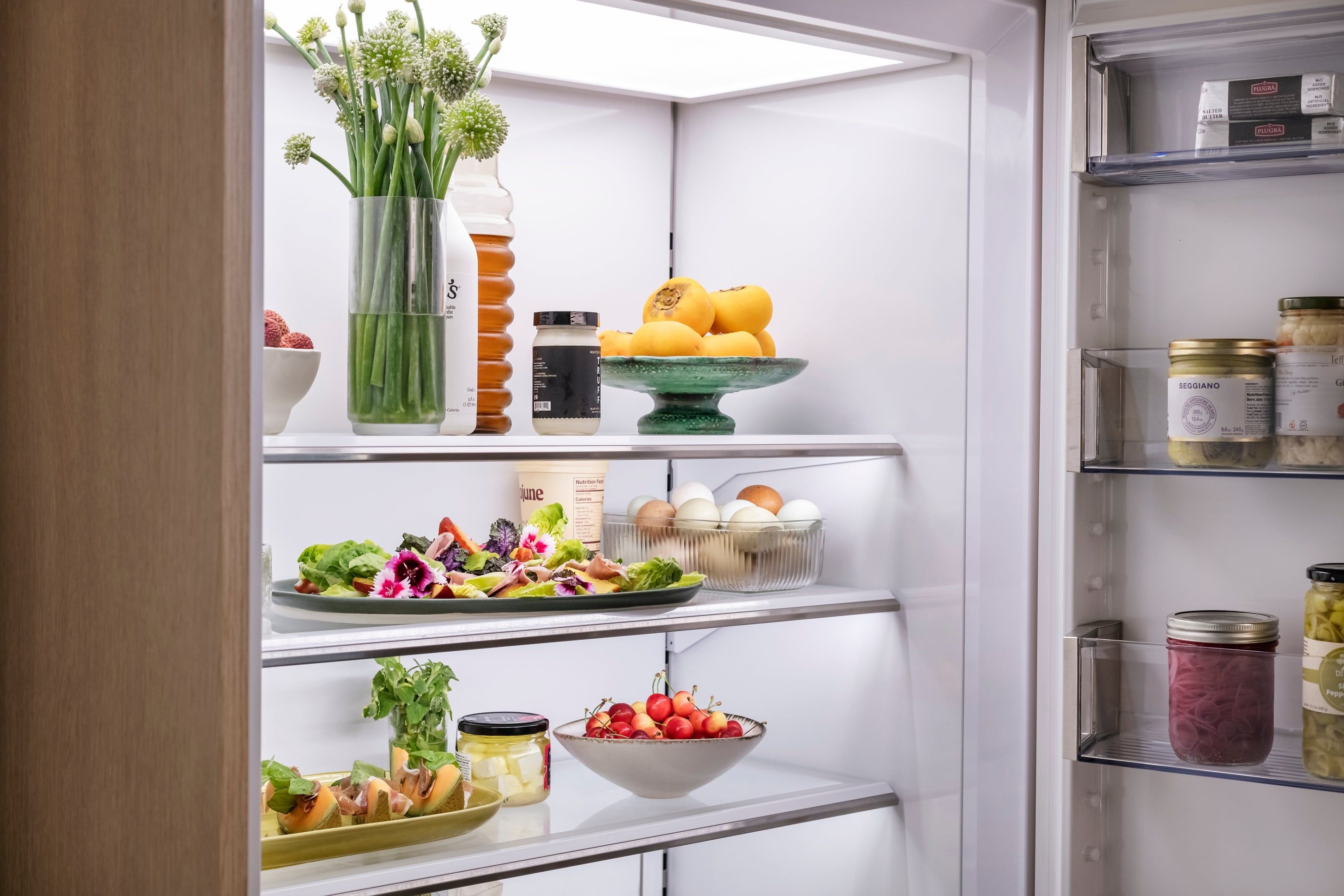
4B - Sub-Zero Interior-min.jpg

Sub-Zero and Wolf don’t just make products. They create experiences that become part of daily life. Whether you cook to unwind or to impress, whether your meals are fast and familiar or planned down to the last herb, these appliances keep up with you.

Related Tags

MBPropertyLiving Sub-zero and Wolf
ADVERTISEMENT
.most-popular .layout-ratio{ padding-bottom: 79.13%; } @media (min-width: 768px) and (max-width: 1024px) { .widget-title { font-size: 15px !important; } }

{{ articles_filter_1561_widget.title }}

.most-popular .layout-ratio{ padding-bottom: 79.13%; } @media (min-width: 768px) and (max-width: 1024px) { .widget-title { font-size: 15px !important; } }

{{ articles_filter_1562_widget.title }}

.most-popular .layout-ratio{ padding-bottom: 79.13%; } @media (min-width: 768px) and (max-width: 1024px) { .widget-title { font-size: 15px !important; } }

{{ articles_filter_1563_widget.title }}

{{ articles_filter_1564_widget.title }}

.mb-article-details { position: relative; } .mb-article-details .article-body-preview, .mb-article-details .article-body-summary{ font-size: 17px; line-height: 30px; font-family: "Libre Caslon Text", serif; color: #000; } .mb-article-details .article-body-preview iframe , .mb-article-details .article-body-summary iframe{ width: 100%; margin: auto; } .read-more-background { background: linear-gradient(180deg, color(display-p3 1.000 1.000 1.000 / 0) 13.75%, color(display-p3 1.000 1.000 1.000 / 0.8) 30.79%, color(display-p3 1.000 1.000 1.000) 72.5%); position: absolute; height: 200px; width: 100%; bottom: 0; display: flex; justify-content: center; align-items: center; padding: 0; } .read-more-background a{ color: #000; } .read-more-btn { padding: 17px 45px; font-family: Inter; font-weight: 700; font-size: 18px; line-height: 16px; text-align: center; vertical-align: middle; border: 1px solid black; background-color: white; } .hidden { display: none; }
function initializeAllSwipers() { // Get all hidden inputs with cms_article_id document.querySelectorAll('[id^="cms_article_id_"]').forEach(function (input) { const cmsArticleId = input.value; const articleSelector = '#article-' + cmsArticleId + ' .body_images'; const swiperElement = document.querySelector(articleSelector); if (swiperElement && !swiperElement.classList.contains('swiper-initialized')) { new Swiper(articleSelector, { loop: true, pagination: false, navigation: { nextEl: '#article-' + cmsArticleId + ' .swiper-button-next', prevEl: '#article-' + cmsArticleId + ' .swiper-button-prev', }, }); } }); } setTimeout(initializeAllSwipers, 3000); const intersectionObserver = new IntersectionObserver( (entries) => { entries.forEach((entry) => { if (entry.isIntersecting) { const newUrl = entry.target.getAttribute("data-url"); if (newUrl) { history.pushState(null, null, newUrl); let article = entry.target; // Extract metadata const author = article.querySelector('.author-section').textContent.replace('By', '').trim(); const section = article.querySelector('.section-info ').textContent.replace(' ', ' '); const title = article.querySelector('.article-title h1').textContent; // Parse URL for Chartbeat path format const parsedUrl = new URL(newUrl, window.location.origin); const cleanUrl = parsedUrl.host + parsedUrl.pathname; // Update Chartbeat configuration if (typeof window._sf_async_config !== 'undefined') { window._sf_async_config.path = cleanUrl; window._sf_async_config.sections = section; window._sf_async_config.authors = author; } // Track virtual page view with Chartbeat if (typeof pSUPERFLY !== 'undefined' && typeof pSUPERFLY.virtualPage === 'function') { try { pSUPERFLY.virtualPage({ path: cleanUrl, title: title, sections: section, authors: author }); } catch (error) { console.error('ping error', error); } } // Optional: Update document title if (title && title !== document.title) { document.title = title; } } } }); }, { threshold: 0.1 } ); function showArticleBody(button) { const article = button.closest("article"); const summary = article.querySelector(".article-body-summary"); const body = article.querySelector(".article-body-preview"); const readMoreSection = article.querySelector(".read-more-background"); // Hide summary and read-more section summary.style.display = "none"; readMoreSection.style.display = "none"; // Show the full article body body.classList.remove("hidden"); } document.addEventListener("DOMContentLoaded", () => { let loadCount = 0; // Track how many times articles are loaded const offset = [1, 2, 3, 4, 5, 6, 7, 8, 9, 10]; // Offset values const currentUrl = window.location.pathname.substring(1); let isLoading = false; // Prevent multiple calls if (!currentUrl) { console.log("Current URL is invalid."); return; } const sentinel = document.getElementById("load-more-sentinel"); if (!sentinel) { console.log("Sentinel element not found."); return; } function isSentinelVisible() { const rect = sentinel.getBoundingClientRect(); return ( rect.top < window.innerHeight && rect.bottom >= 0 ); } function onScroll() { if (isLoading) return; if (isSentinelVisible()) { if (loadCount >= offset.length) { console.log("Maximum load attempts reached."); window.removeEventListener("scroll", onScroll); return; } isLoading = true; const currentOffset = offset[loadCount]; window.loadMoreItems().then(() => { let article = document.querySelector('#widget_1690 > div:nth-last-of-type(2) article'); intersectionObserver.observe(article) loadCount++; }).catch(error => { console.error("Error loading more items:", error); }).finally(() => { isLoading = false; }); } } window.addEventListener("scroll", onScroll); });

Sign up by email to receive news.